
Last updated November 16, 2026
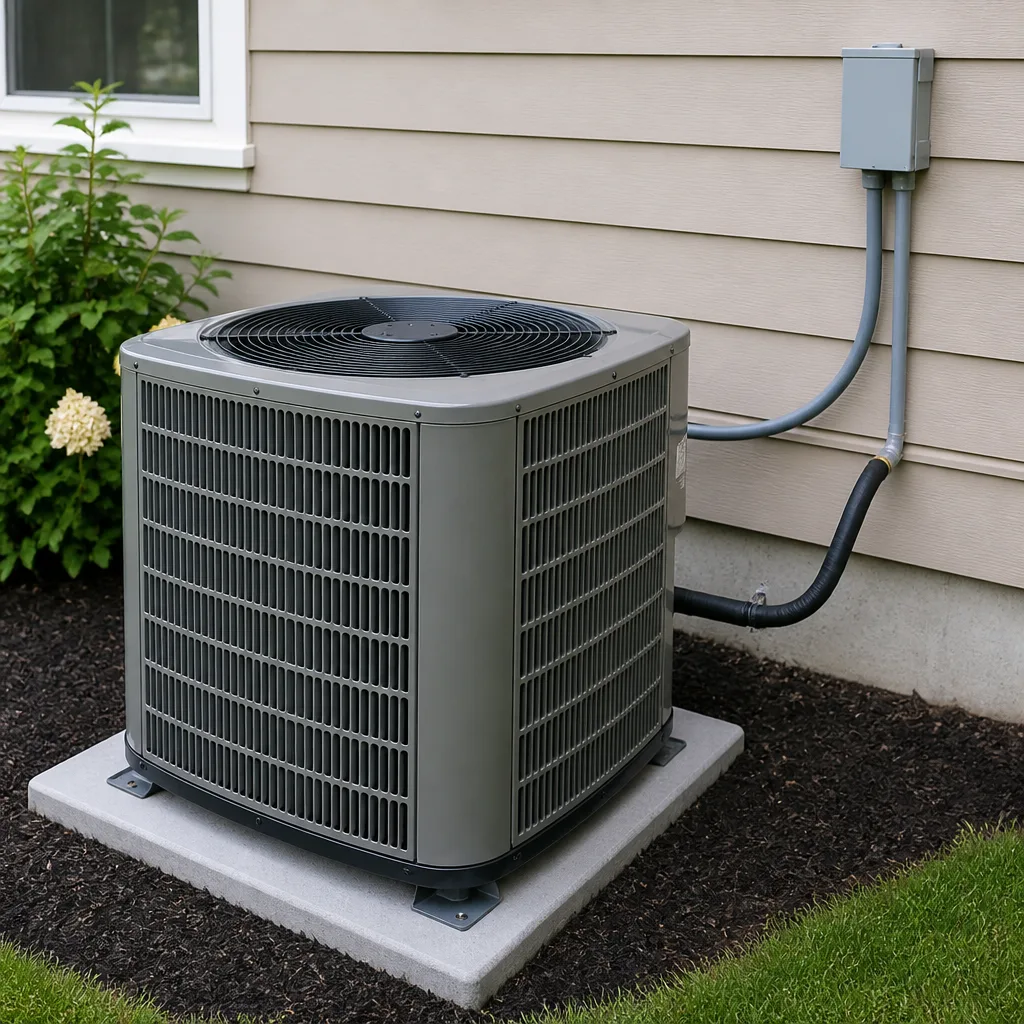 AC repair
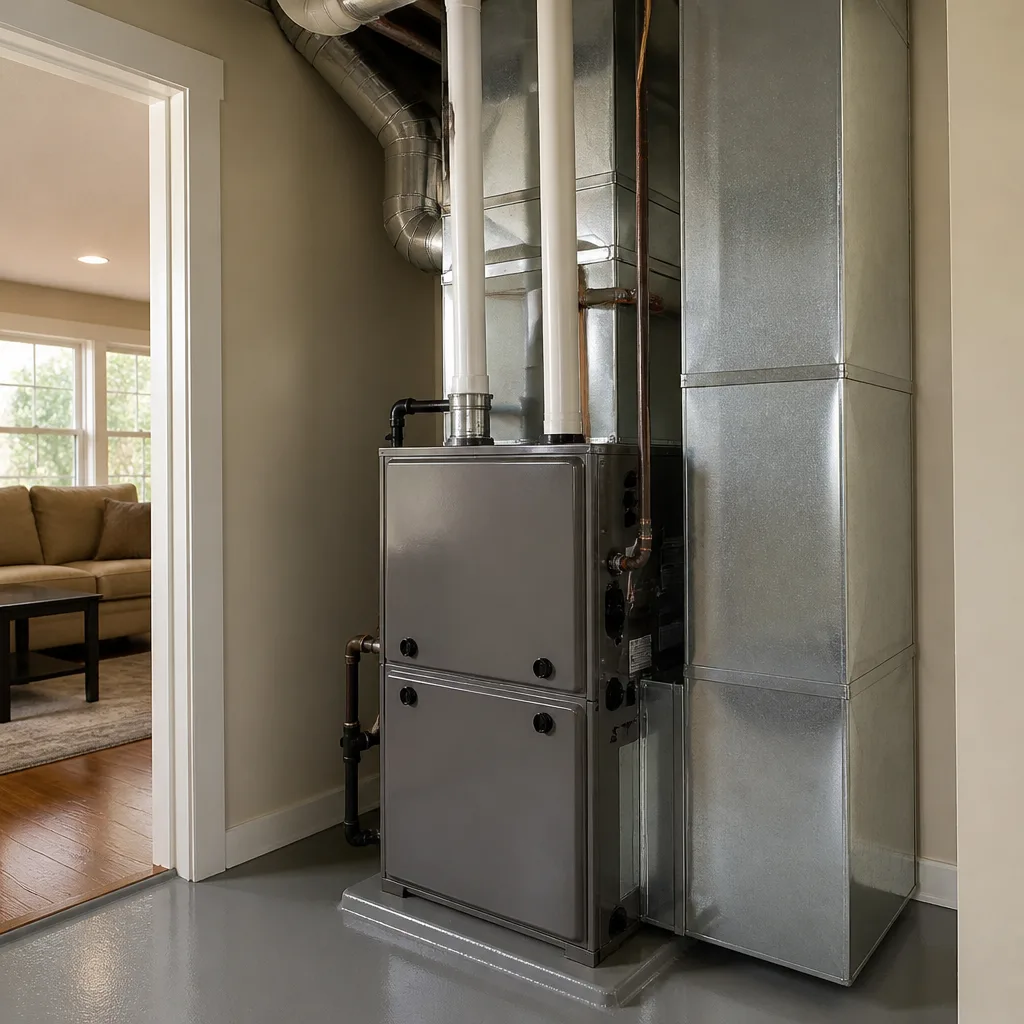 Furnace & heating
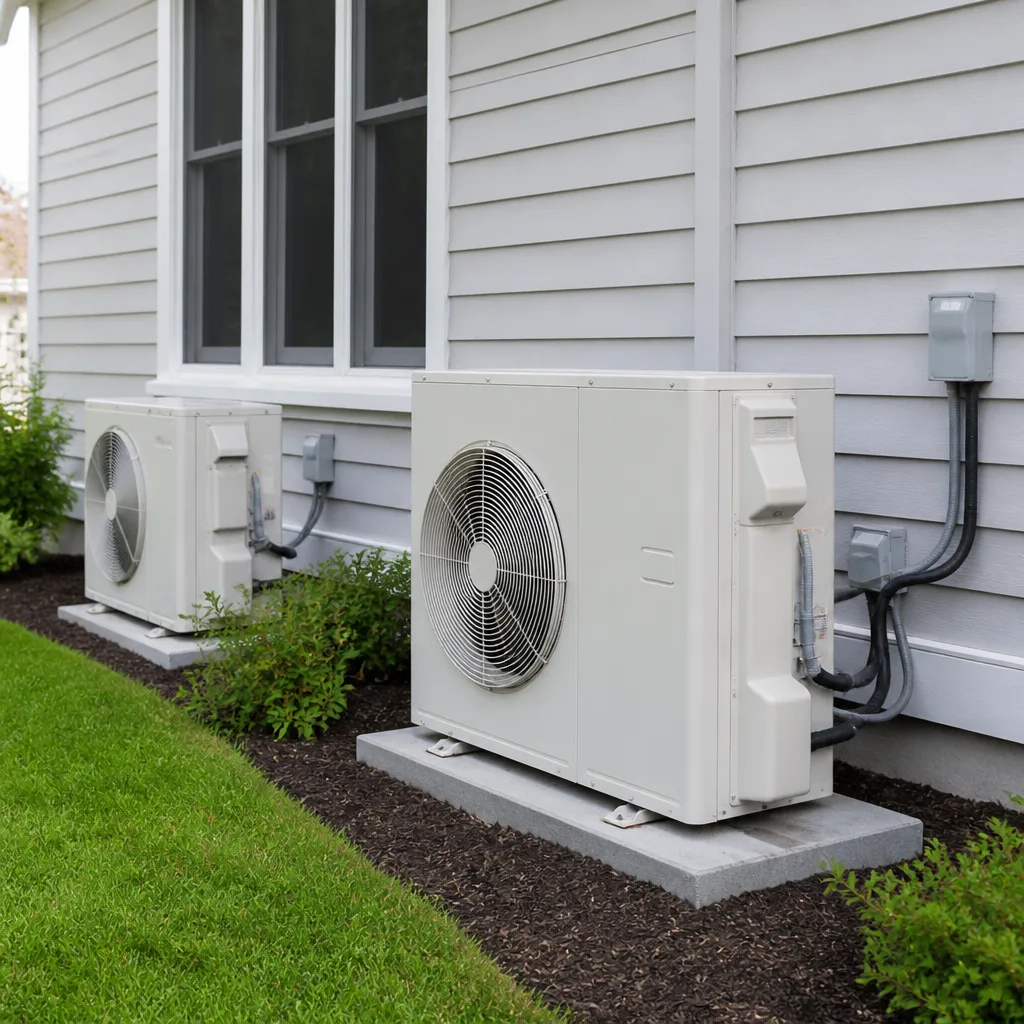 Heat pumps
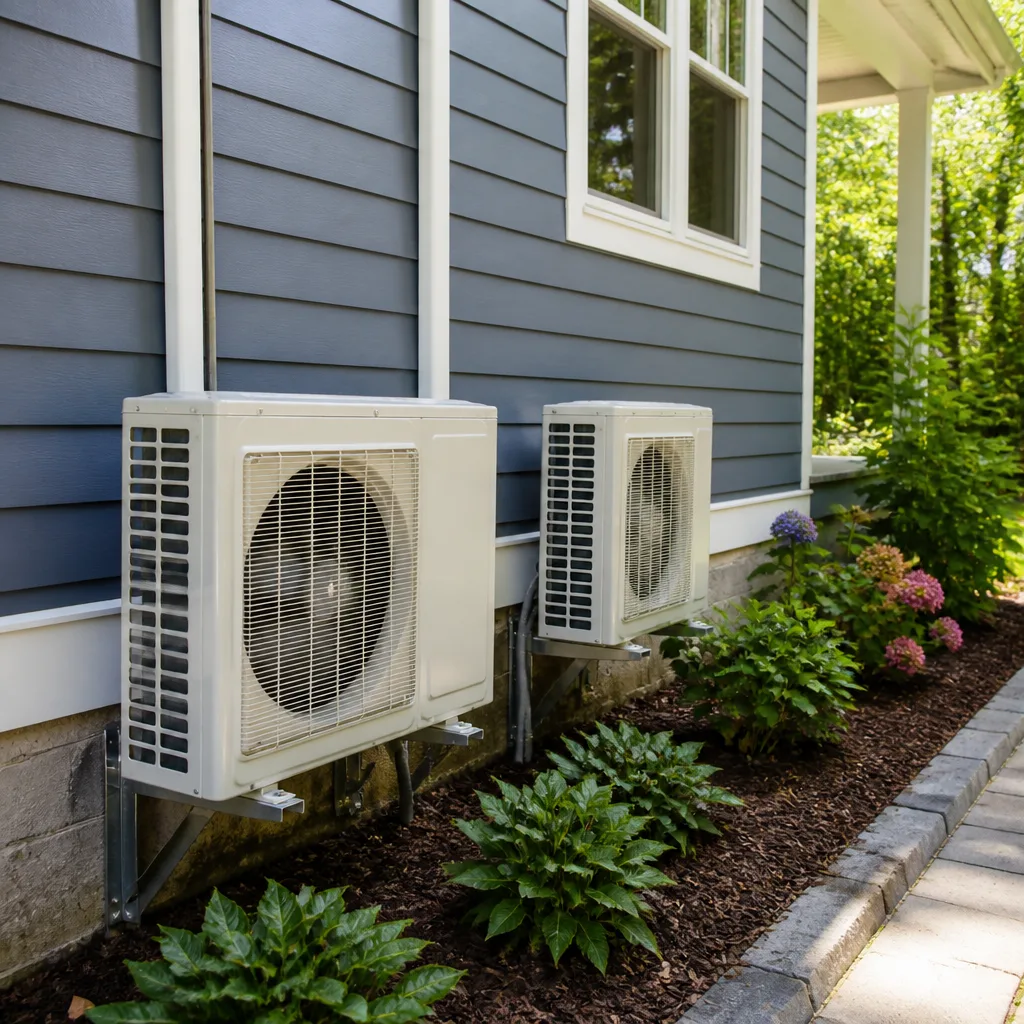 Ductless mini splits
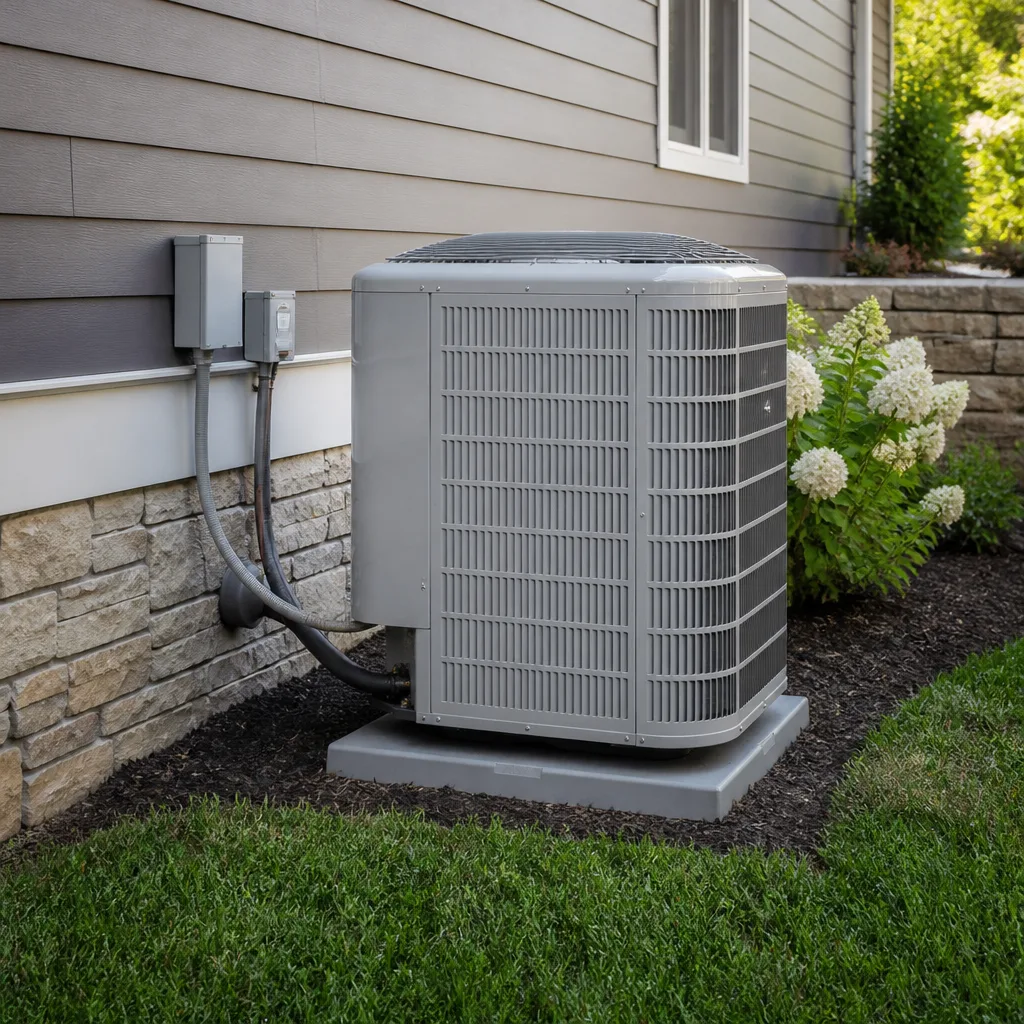 Carrier
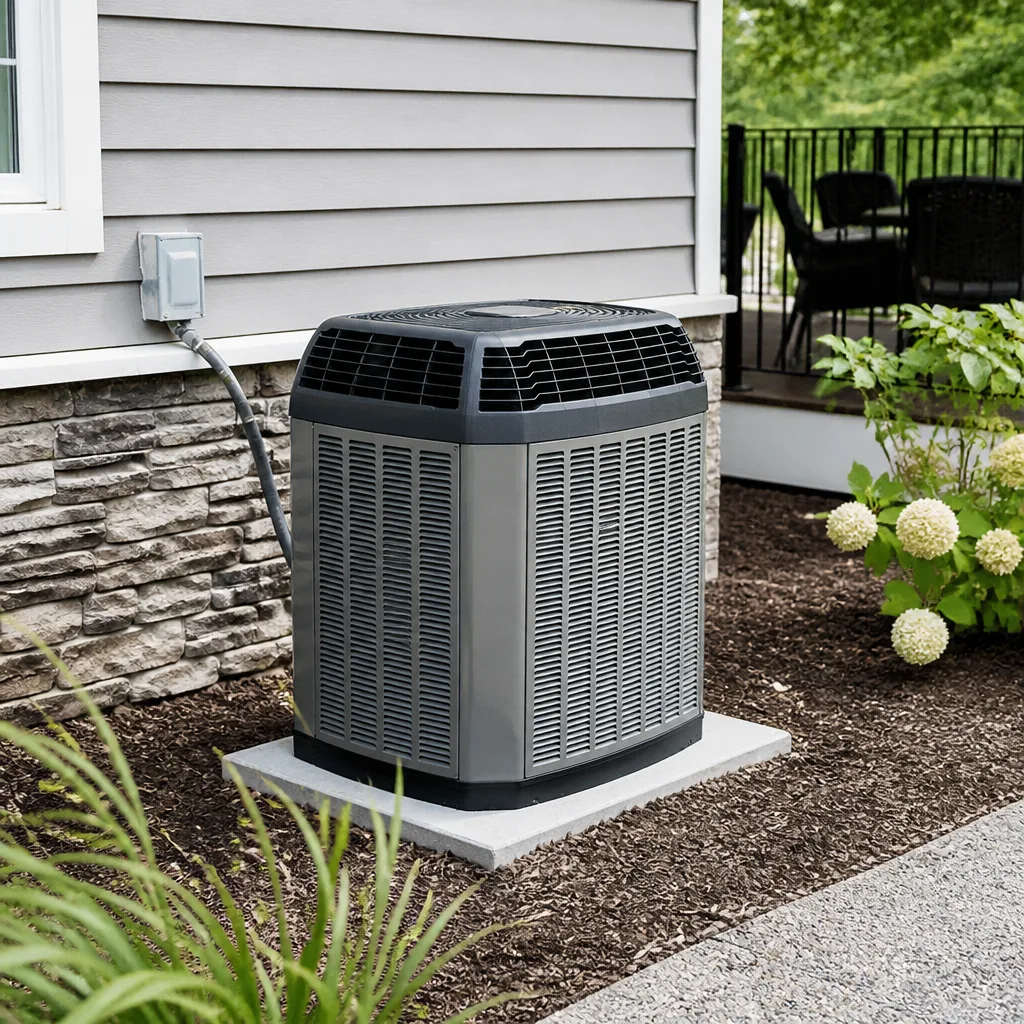 Trane
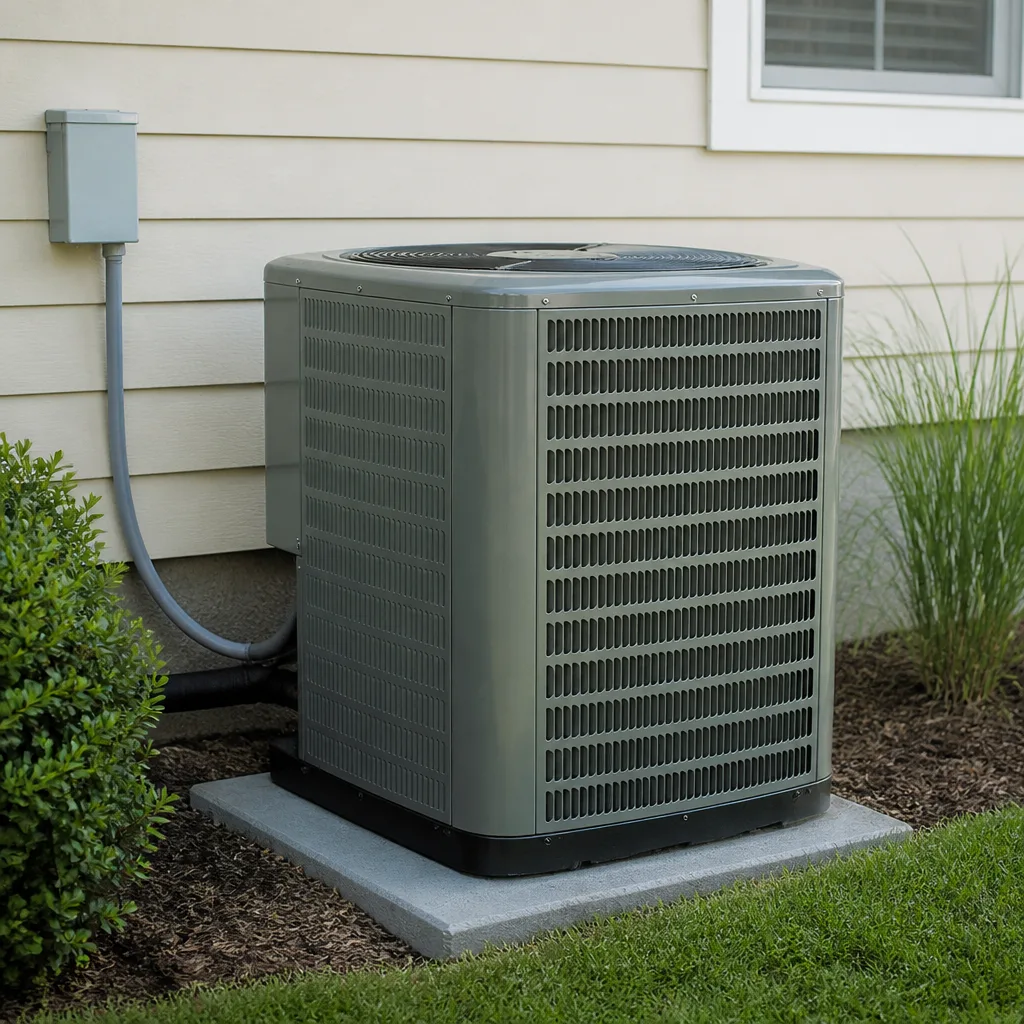 Goodman
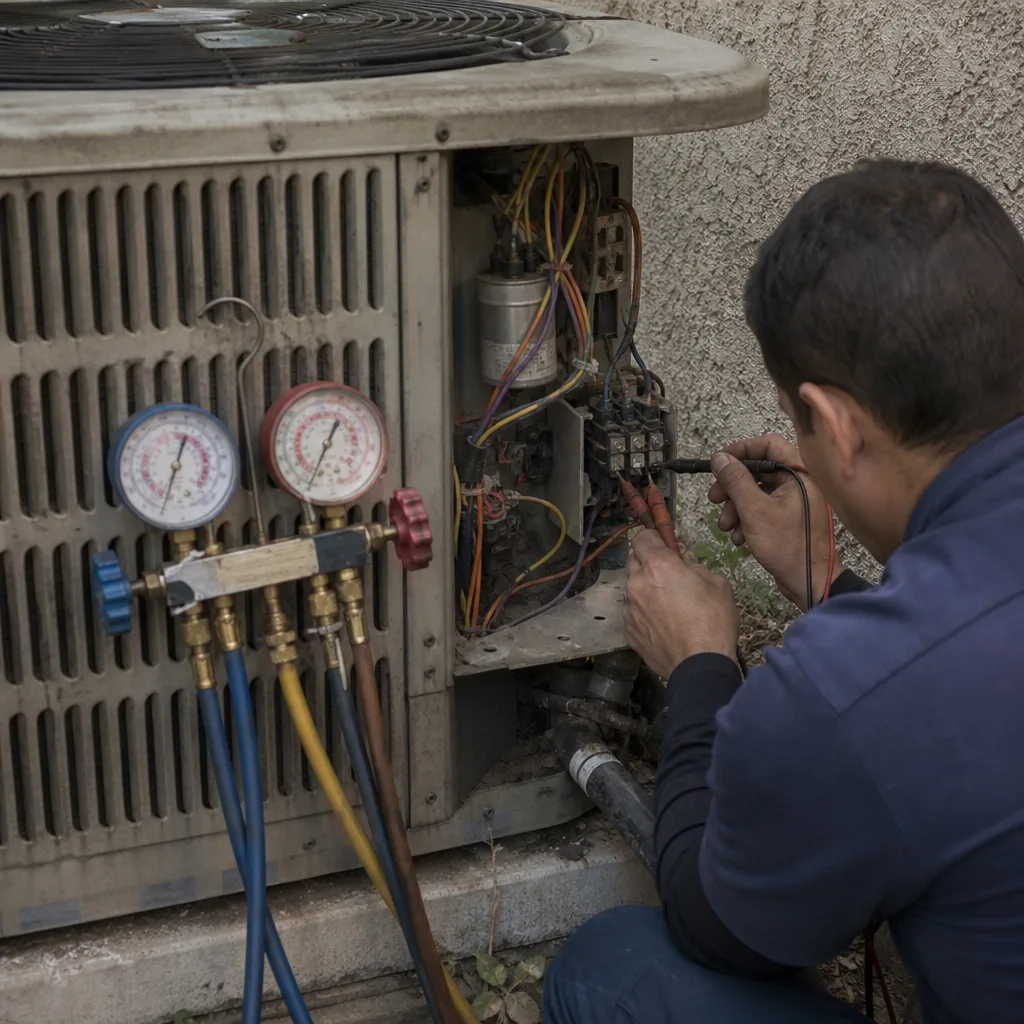
Seasonal tune-up and full diagnostic on your Carrier, Trane, or Goodman system - readings shown to you before any repair is proposed
Diagnosis first, numbers second - you approve the repair price before a single part goes in.
Get your free estimateChoosing the Right HVAC Brand: A Buyer’s Guide for Spring Valley
Most homeowners in Spring Valley spend weeks researching brand names and almost no time thinking about who installs the equipment. That’s backwards. A premium Carrier unit installed poorly by an undertrained technician will underperform a mid-tier Rheem installed by someone who does it every day. Brand loyalty is a marketing construct; installation quality is an engineering reality. In this guide we’ll reorder the decision the way it actually matters, walk through what Spring Valley’s desert climate demands from a compressor and coil, compare the nine brands we work on, and show you how to spot a brand-exclusive dealer before they waste your afternoon.
Quick Answer
The “best” HVAC brand for a Spring Valley home is the one your contractor can service quickly, get parts for locally, and install correctly. Installation quality, local parts availability, and warranty service infrastructure matter far more than the nameplate. If you’re choosing between Carrier, Trane, Lennox, Goodman, Rheem, York, Daikin, Bryant, and American Standard, any of them can work well in Spring Valley when the install is right and the warranty is honored.
Styles & brands we work with
- AC repair
- Furnace & heating
- Heat pumps
- Ductless mini splits
- Carrier
- Trane
- Goodman
Table of Contents
- The Five Factors That Matter More Than Brand Name
- What Spring Valley’s Climate Demands From Your Equipment
- Side-by-Side Comparison of the Nine Major Brands
- Brand-Agnostic Contractors vs. Brand-Exclusive Dealers
- How the Brand Question Changes: Replacement, New Construction, Multi-Zone
- A Step-by-Step Process for Choosing Your Brand
- Reading Marketing Claims Without Getting Fooled
The Five Factors That Matter More Than Brand Name
When we diagnose a struggling system in Spring Valley, the problem is almost never the brand logo on the cabinet. It’s one of five things: a poorly sized unit, a sloppy install, a mismatched coil, a cheap thermostat, or a part that took three weeks to arrive. Here’s what actually drives long-term satisfaction, in order of importance.
- Local parts supply chain. In the Las Vegas Valley, most major-brand parts are stocked within a day or two. But compressor lead times vary widely by brand, and some specialty control boards take longer. If your brand’s parts aren’t readily available in the metro, a simple repair becomes a multi-week wait in July.
- Warranty service infrastructure. A ten-year parts warranty means nothing if the manufacturer’s network can’t process the claim. Ask specifically: does the brand require a licensed dealer for warranty work, and is that dealer reachable?
- Installer certification. Some manufacturers train and certify installers through their own programs. A certified installer for that brand is more likely to get sizing, refrigerant charge, and airflow right on the first visit.
- Compressor platform. Scroll vs. reciprocating, single-stage vs. two-stage vs. variable-speed. The compressor is the most expensive component to replace, and some platforms are more repair-friendly than others.
- Coil material and design. In a dry desert climate, coil corrosion is less of a concern than in humid regions, but coil design still affects airflow, static pressure, and dust accumulation. A well-designed coil lasts longer between cleanings.
Notice that “brand name” isn’t on the list. It’s the sum of these five factors that determines whether you’re happy with your system in year five, not the logo on the front panel. For more on what a properly executed AC installation looks like, our service page covers the step-by-step process.
What Spring Valley’s Climate Demands From Your Equipment
Spring Valley sits in the Mojave Desert, which means summers regularly push well past 100°F and the cooling season runs long. Winters are mild, but overnight temperatures still drop enough to make furnace performance relevant. That combination puts specific demands on your equipment that a homeowner in Seattle or Miami doesn’t face.
- Oversized compressors underperform in dry heat. A unit that’s oversized for the house will short-cycle, and short cycling in extreme heat is harder on the compressor than steady runtime. Manual J load calculation is non-negotiable here, regardless of brand.
- Coil airflow matters more than coil marketing. Fine desert dust accumulates on evaporator coils. A coil design with accessible cleaning and good airflow characteristics will outperform a fancier coil that traps dust. Ask your contractor about coil accessibility, not just efficiency ratings.
- Two-stage and variable-speed compressors shine in the swing months. Spring and fall in Spring Valley bring wide temperature swings from morning to afternoon. A two-stage or variable-speed unit handles those swings more gracefully than a single-stage unit, and it runs at lower capacity during the mild stretches.
- Heat pump vs. furnace. With mild winters, a heat pump paired with an electric backup is viable, but many Spring Valley homes use a gas furnace. If you’re replacing a furnace, don’t assume a heat pump is the automatic upgrade; it depends on your ductwork and gas availability.
These climate factors should be the filter you apply before you look at brand brochures. A brand that makes excellent equipment for humid climates might not be the best choice here. For a closer look at how we handle furnace repair during the colder months, that page walks through the diagnostics we run.
Side-by-Side Comparison of the Nine Major Brands
We work on nine brands because that’s what we find in Spring Valley homes. Each has strengths and tradeoffs worth knowing about. This comparison focuses on three practical criteria: how often we see repairs, how easy parts are to source in the Las Vegas market, and how the warranty terms hold up in practice. Marketing claims are left out.
Carrier and Bryant
Carrier and Bryant share a corporate parent and a lot of engineering DNA. Both are widely installed in Spring Valley, which means parts are generally easy to source locally. Repair frequency is middle-of-the-road; the most common issues we see are capacitor and contactor failures, which are inexpensive to fix. Warranty terms are standard and honored so long as the installing dealer follows the manufacturer’s requirements. Bryant often prices slightly below Carrier for comparable equipment.
Trane and American Standard
Trane and American Standard are also siblings under one corporate roof. Both are positioned as premium brands, and both have strong reputations for compressor durability. Parts availability in the Las Vegas market is good, but premium-brand parts can cost more than value-tier equivalents. If you’re weighing long-term repair cost against initial price, this is where the math gets interesting.
Lennox
Lennox is the other premium name in the group, with strong efficiency offerings. Repair frequency is comparable to Trane, and parts availability is solid. Lennox’s higher-efficiency units sometimes require proprietary controls, which can complicate third-party service. If you buy Lennox, confirm your contractor can service the specific model, not just the Lennox name.
Goodman
Goodman sits firmly in the value tier. Repair frequency is higher on average, but parts are cheap and widely stocked, which keeps total cost of ownership reasonable. For a homeowner who plans to move within five years, or who has a simple single-zone system, Goodman can be a smart choice. It’s also the brand most commonly installed in new Spring Valley construction.
Rheem and York
Rheem and York occupy the middle of the market. Both have solid parts availability and reasonable repair records. Rheem has a strong presence in residential replacements; York appears frequently in older construction. Neither brand carries a strong marketing premium, which often makes them good value on a per-dollar basis.
Daikin
Daikin has grown quickly in the U.S. market and is now common in Spring Valley, particularly in multi-zone and ductless applications. Parts availability is improving every year, but it’s still less universal than Carrier or Trane. Daikin’s inverter technology is strong, and the brand is a solid choice if you’re installing a ductless system.
None of these brands is a mistake. The bigger question is who installs the system and whether they can service it. Our AC repair capability covers all nine, which means you’re not locked into one manufacturer’s service network.
Brand-Agnostic Contractors vs. Brand-Exclusive Dealers
There’s a specific tell that reveals whether you’re talking to a brand-agnostic contractor or a brand-exclusive dealer: ask which brands they carry. A brand-exclusive dealer will usually name one or two. A brand-agnostic contractor will name several and explain why. When you call an exclusive dealer’s service line and ask about a competitor’s equipment, the conversation gets politely short.
Brand-exclusive dealers aren’t inherently dishonest. They’ve made a business decision to partner with one manufacturer, often for volume pricing and factory training. That model can work well for you if the brand happens to fit your needs. But it means the first question they answer (“what brand should I buy?”) is already decided before you walk in the door.
A brand-agnostic contractor like ours has a different conversation. We diagnose the existing system, size the replacement for your ducts and square footage, and then recommend from the nine brands we work on. If your existing system is a Carrier and a Trane would be a better fit for your zone layout, we can say so without a quota dispute. Recommendations are based on equipment condition and your budget, not on which manufacturer pays a spiff.
How to tell which type you’re talking to:
- Ask directly: “How many brands do you install and service?” Multiple brands with an explanation is a good sign.
- Ask about warranty service on a competitor’s system. A brand-agnostic contractor will service it; an exclusive dealer often won’t.
- Watch for urgency. If the conversation is “this brand or bust,” the recommendation is baked in.
- Ask whether the recommendation reflects your ductwork and house, not available inventory.
If you’re near Spring Valley, we handle the diagnosis and the brand recommendation together, and the two stay separate on purpose.
How the Brand Question Changes: Replacement, New Construction, Multi-Zone
The brand question isn’t the same for every situation. A homeowner replacing a 15-year-old system, a builder outfitting a new home, and an owner matching a multi-zone setup all face different constraints. Here’s how the brand decision shifts.
Replacing an existing system
On a replacement, staying with the same brand is sometimes the simplest path, but only if the existing brand serves you well and the installed infrastructure (line sets, plenum, disconnect) is compatible. If the existing brand has been reliable and parts are easy to source locally, continuity is a reasonable tiebreaker. If the existing brand has been a maintenance headache, nothing obligates you to match.
New construction
Builders in Spring Valley often choose brands based on developer pricing and volume contracts, not on performance in this climate. If you’re buying a new home, the brand matters less than whether the install was properly sized. Ask for the Manual J load calculation and the commissioning report before close.
Matching an existing multi-zone system
Multi-zone systems make brand matching more important because the zones share controls and, sometimes, refrigerant. Mixing brands across zones is possible but requires more careful design. If you’re adding a zone, matching the existing brand usually reduces control complexity.
Switching from a value-tier to a premium brand
Homeowners who’ve been unhappy with a value-tier brand sometimes want to “upgrade” the whole system to a premium name. The upgrade that would make the biggest difference is usually installation quality, not brand tier. A properly sized, correctly charged Goodman will outperform a poorly installed premium unit.
A Step-by-Step Process for Choosing Your Brand
Here’s the sequence we walk homeowners through when they’re choosing a brand in Spring Valley. Doing these in order prevents the most common mistake: picking a brand before knowing what the house actually needs.
- Get a real load calculation. Manual J is the industry standard for sizing. No brand recommendation is meaningful until you know how many tons your home actually needs.
- Inspect the ducts. Duct condition limits which equipment makes sense. A high-efficiency communicating system on leaky ducts will underperform a simpler unit with proper airflow.
- Confirm your preferred brand is serviced locally. Ask two contractors how long it takes to source a replacement compressor and a control board for that brand in the Las Vegas metro. The answer tells you about resilience.
- Compare warranty terms, not slogans. Read the actual warranty document, including the exclusions for improper installation and non-certified labor.
- Ask about the installer’s certification. A certified installer for that brand is a strong signal of first-visit quality.
- Get a written fixed price. Not a range; a fixed price for the specified equipment and scope of work. Confirm the price is locked.
- Schedule the install date. Replacement is load-calculated and scheduled, not swung in same-day. Confirm the install date in writing and request that any available rebate or financing paperwork be handled as part of the project.
Notice that not one step mentions the brand logo. That’s intentional. Brand is the last step, not the first, and it’s the one where you have the most flexibility.
Reading Marketing Claims Without Getting Fooled
HVAC marketing is a minefield of impressive-sounding claims that mean very little. Here’s how to read them.
- “Best-rated brand.” Ratings usually reflect one consumer survey or one publication’s methodology. They don’t reflect your install, your ducts, or what’s available in Spring Valley.
- “Built to last.” Every manufacturer says some version of this. Ask for compressor warranty terms instead.
- “As seen in consumer publications.” Editorial mentions are usually paid placements or repackaged press releases. They don’t measure service outcomes.
- “Energy savings up to X%.” Efficiency claims depend on the installed system, ductwork, and household usage. The only meaningful number is the AHRI-matched system efficiency for your specific configuration.
- “Our brand never needs repair.” No brand makes that claim, and none should. Repair frequency is a function of install quality and maintenance more than brand.
When we quote a system, we specify the model and efficiency rating, not the marketing line. That’s what lets you compare apples to apples across contractors.
Common Mistakes to Avoid
- Choosing a brand before confirming the installer. The best premium system installed by an undertrained technician will underperform a mid-tier system installed correctly. Pick the contractor first; the brand conversation comes second.
- Skipping the load calculation. Spring Valley’s heat punishes an oversized system with short cycling. Ask for the Manual J calculation in writing; if they don’t have one, that’s a signal.
- Picking a brand your contractor won’t service later. Brand-exclusive dealers service their brand; brand-agnostic contractors service several. Ask what happens on a warranty claim for the brand you’re considering.
- Buying on efficiency rating alone. A high-efficiency system on leaky ducts in a hot desert climate can underperform a mid-efficiency system on good ducts. Duct evaluation comes before efficiency shopping.
- Not asking about the refrigerant used. Various refrigerants are in use across the nine brands. If your existing system uses an older refrigerant, ask about compatibility and future servicing costs before you commit to a new brand.
- Ignoring the controller. Some premium brands use proprietary thermostats and communicating controls. If you want to control the system from your phone, confirm the controller works with your setup before signing.
- Signing without the model number on the quote. Brand without model number leaves the contractor room to substitute a lower-tier unit in the same family. Get the model number on the estimate.
See the difference
 Before
 After
 Before
 After
 Before
 After
When to Call a Professional
Homeowners often ask whether they should diagnose their own HVAC problem. In most cases, the answer is no. Refrigerant work, compressor diagnosis, and anything involving the electrical panel or gas lines are jobs for a trained professional. High-voltage capacitors hold a charge even when the system is off, and misdiagnosing a gas furnace can be dangerous. If your system is short-cycling, making unusual noises, not keeping up with setpoint on hot days, showing frost on the refrigerant lines, or producing a burning smell at the furnace, that’s a call to a technician, not a YouTube tutorial. AC Repair Spring Valley offers free estimates in Spring Valley. Call (866) 773-7426 to schedule. We answer 24/7. Fast dispatch from 7am to 7pm, Sunday through Friday. For more background on our service area, see our Spring Valley location page.
Frequently Asked Questions
Any of the nine major brands (Carrier, Trane, Lennox, Goodman, Rheem, York, Daikin, Bryant, and American Standard) can work well in Spring Valley if the system is correctly sized, the install is done by a competent technician, and parts don’t take weeks to arrive. Carrier and Trane are the most common premium choices locally; Goodman is the most common value-tier choice; Daikin is growing quickly, especially for ductless applications. The bigger variable is who installs it. Call (866) 773-7426 for an exact quote. Estimates are free.
Only if the existing brand has served you well and parts are easy to source locally. If your last system had repeated failures, nothing obligates you to stay with the same brand. We routinely switch brands on replacement when the equipment has a poor track record in this climate. Call (866) 773-7426 for an exact quote. Estimates are free.
Not necessarily, but they can’t give you a brand-neutral recommendation. If you hire a brand-exclusive dealer, ask about their certification for the specific model, their parts sourcing timeline for that brand, and what happens if the brand isn’t a fit. A brand-agnostic contractor like ours can offer a different shortlist based on your specific house. Call (866) 773-7426 for an exact quote. Estimates are free.
Read the actual warranty document rather than the marketing summary. Look at three things: what’s covered (parts only vs. parts and labor), the duration for the compressor vs. the rest of the system, and the exclusion for improper installation. Most brands void coverage if the installation wasn’t done by a licensed installer who followed the manufacturer’s requirements. Call (866) 773-7426 for an exact quote. Estimates are free.
Yes. We service all nine major brands, regardless of who originally installed the system. That’s the practical benefit of a brand-agnostic model. If you moved into a Spring Valley home with a 12-year-old Rheem or a 6-year-old Daikin, we can diagnose and repair it. Call (866) 773-7426 for an exact quote. Estimates are free.
It depends on the system age, the repair cost, and whether the system has other issues. As a rule of thumb, a repair that costs more than roughly a third of a replacement cost on a system past its expected life usually tips the math toward replacement. The right answer for your Spring Valley home depends on the specific diagnosis. Call (866) 773-7426 for an exact quote. Estimates are free.
The Bottom Line
The brand question is the least important HVAC decision most Spring Valley homeowners face. Sizing, installation quality, local parts availability, and warranty service infrastructure matter more than the logo on the cabinet. Of the nine brands we work on, all can deliver good results when installed correctly; Goodman and Rheem often represent the best value, while Carrier, Trane, and Lennox command a premium for their reputations. A brand-agnostic contractor can recommend from that whole list based on your house, not on a manufacturer quota. Use the step-by-step process above to filter the field before you shop.
Written by the team at AC Repair Spring Valley.
If you’re ready for a real conversation about your specific system, call (866) 773-7426 for a free estimate. We answer 24/7. Fast dispatch from 7am to 7pm, Sunday through Friday. Our technicians have up to 8 years of experience working on all nine brands.