
Last updated November 16, 2026
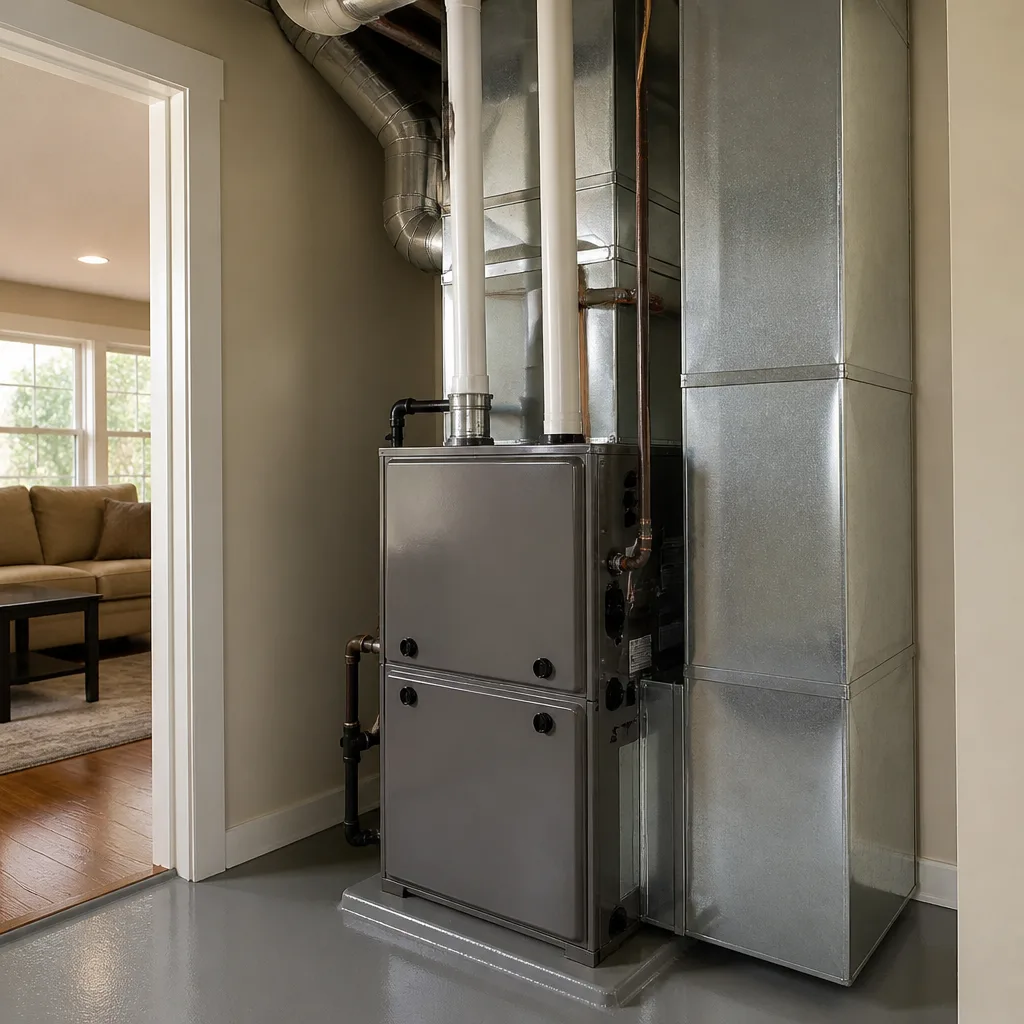 Furnace & heating
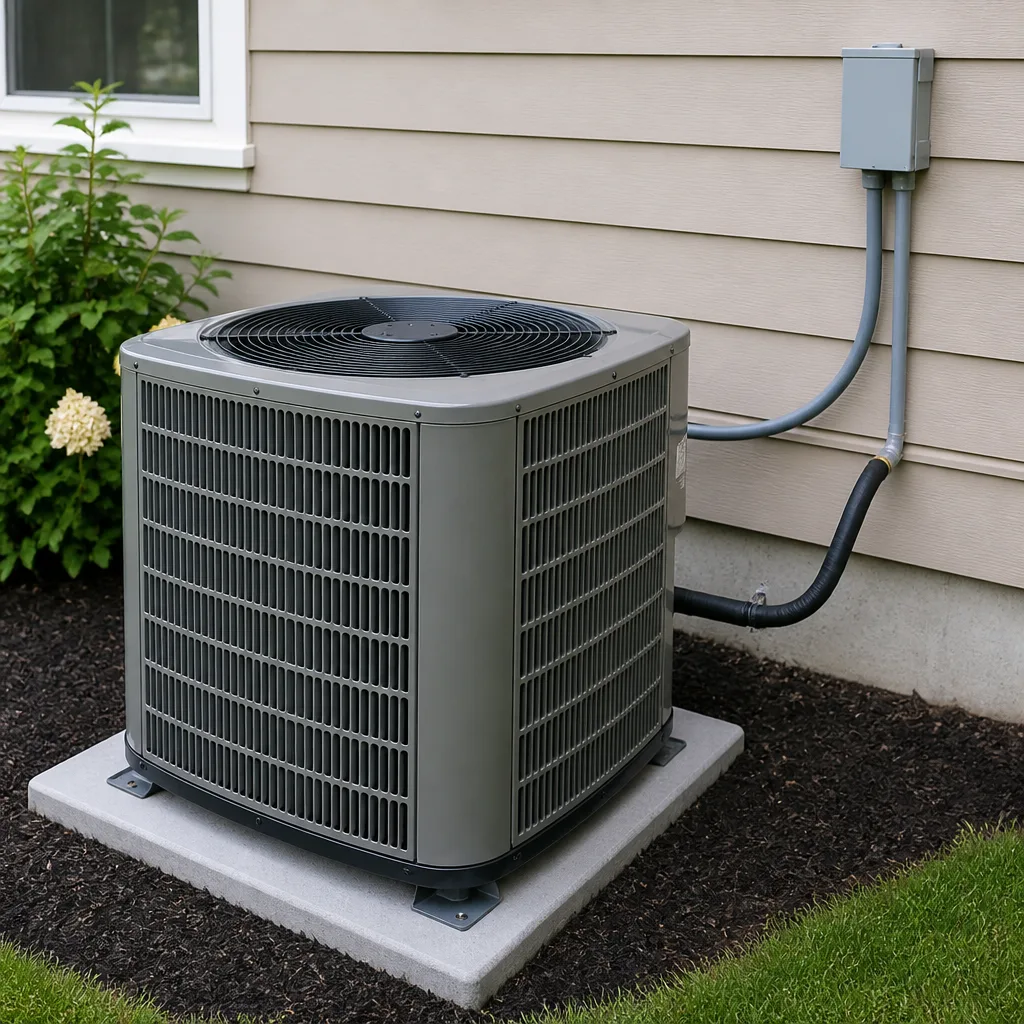 AC repair
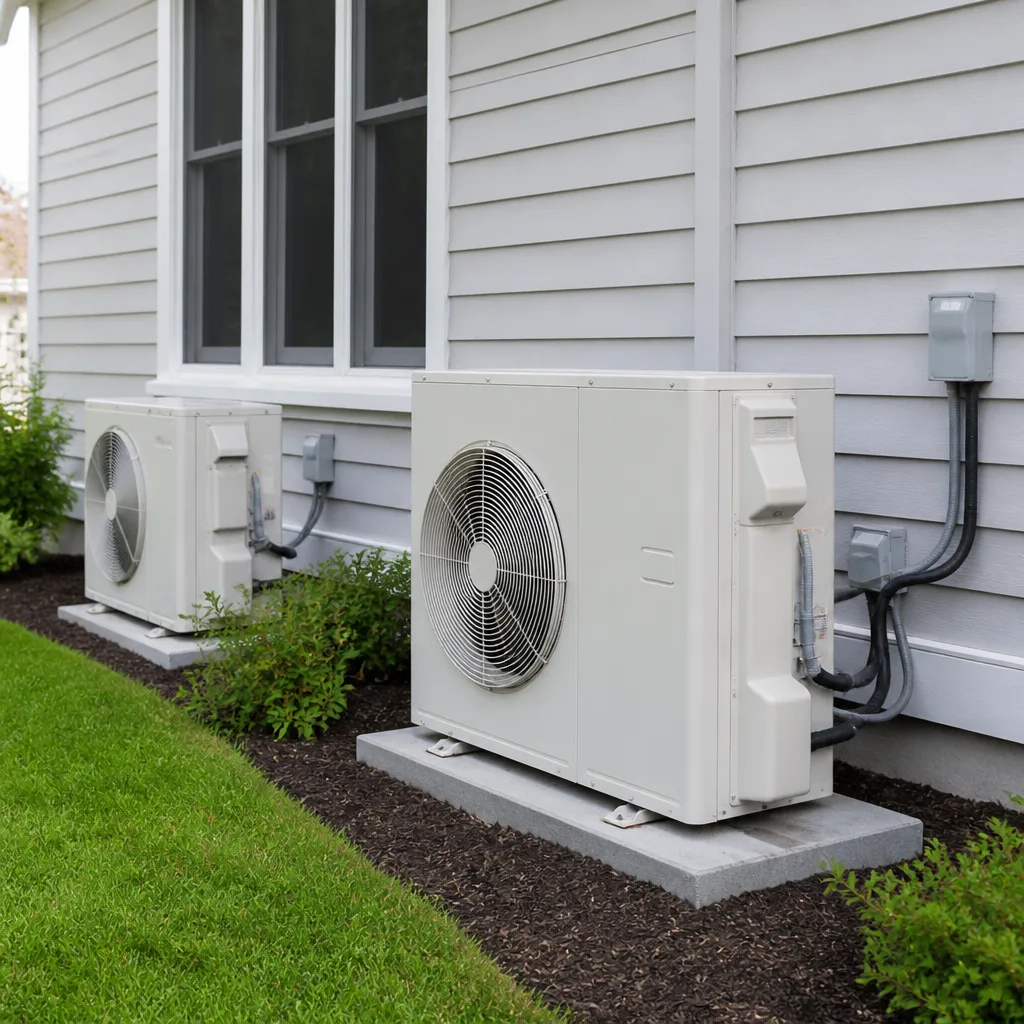 Heat pumps
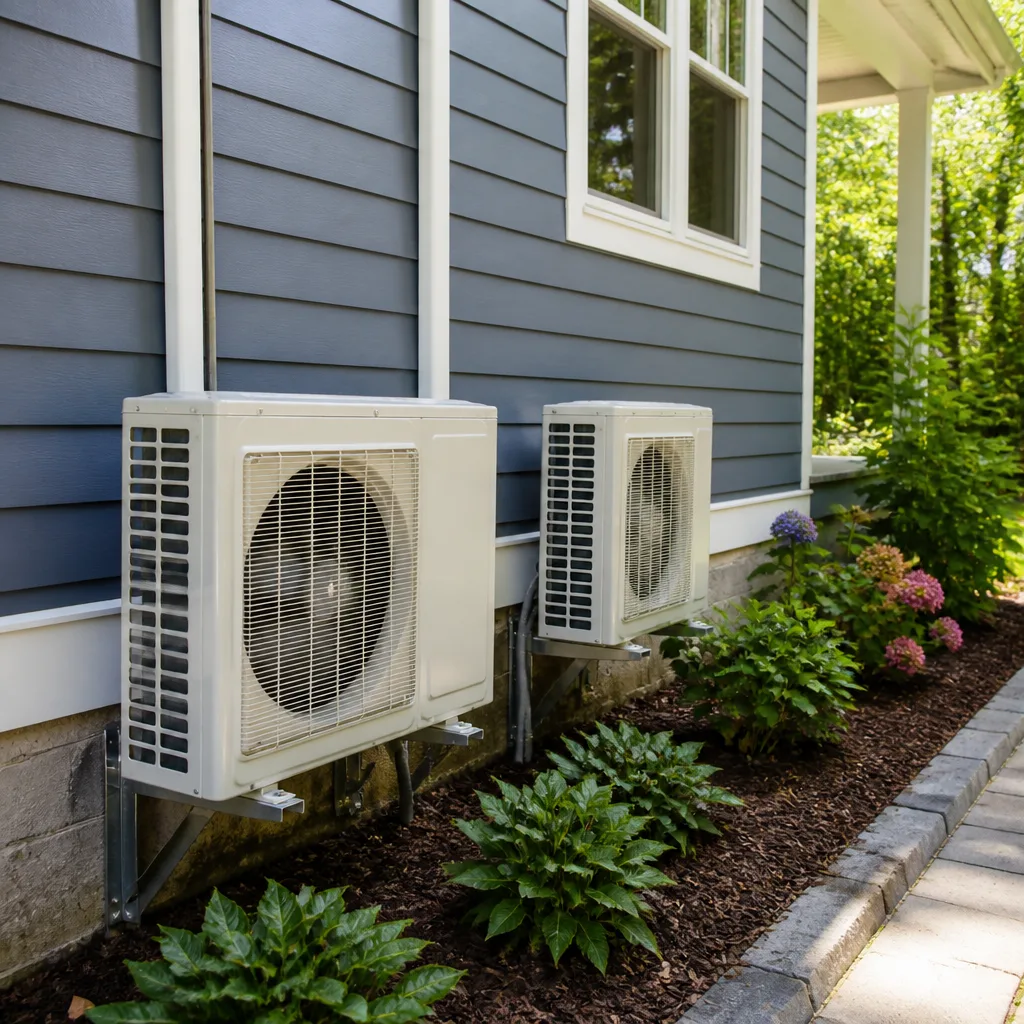 Ductless mini splits
 Carrier
 Trane
 Goodman
Seasonal tune-up and full diagnostic on your Carrier, Trane, or Goodman system - readings shown to you before any repair is proposed
Diagnosis first, numbers second - you approve the repair price before a single part goes in.
Get your free estimateFurnace Replacement Maintenance Checklist for Spring Valley Homeowners
A furnace that’s correctly sized for a Spring Valley home runs fewer, longer cycles, not more frequent short ones. That single behavior tells you more about whether a replacement was done right than any sticker on the cabinet. If a contractor quotes you a bigger unit “just to be safe,” that’s the first sign the job is heading in the wrong direction. Most homeowners here replace a furnace once, maybe twice, in the time they own a house. That inexperience is exactly where money gets lost, during the purchase and in the first years after. This guide walks you through the whole 12-month transition as a checklist, so you know what to verify before, during, and after the install. AC Repair Spring Valley works on the brands already in local homes, and we’ve written this to help you get the job right the first time.
Quick Answer
A furnace replacement checklist for a Spring Valley home should cover four phases: a pre-replacement audit of your existing system (duct condition, static pressure, flue type), sizing verification before you sign (correct BTU load, not just square footage), post-installation commissioning (gas pressure, temperature rise, thermostat calibration), and maintenance milestones across the first 12 months. The single most important item is confirming the new furnace is sized to a load calculation, not to the old unit’s label, because oversizing is common in Spring Valley homes and it costs you comfort and efficiency every heating season.
Styles & brands we work with
- AC repair
- Furnace & heating
- Heat pumps
- Ductless mini splits
- Carrier
- Trane
- Goodman
Table of Contents
- Phase 1: The Pre-Replacement Audit
- Why Spring Valley Furnaces Are Often Oversized
- What to Verify Before You Sign a Quote
- Phase 2: Post-Installation Commissioning
- Phase 3: The First-Heat-of-Season Test
- Phase 4: Maintenance Milestones for the First 12 Months
- Filter Cycles in Desert Air
- Documenting Your New System for Resale and Service
Phase 1: The Pre-Replacement Audit
Before anyone quotes you a furnace, they should know your house. Not your square footage, your house. In Spring Valley, a lot of homes were built fast during rapid growth periods, and the ductwork behind the walls doesn’t always match what a load calculation would call for. The audit is where you catch that, and it’s the step most homeowners skip because they don’t know it exists.
Here’s what to document about your existing system before the contractor arrives. Take notes and photos; you’ll want them later.
- Duct condition and accessibility. Note any sagging flex duct, crushed runs, disconnected joints in the attic, or obvious leaks at the plenum. If your ducts run through a hot attic, that’s a comfort factor to raise with the contractor.
- Static pressure readings. Ask the contractor to measure external static pressure on the existing system. High static pressure means the blower is fighting resistance, and a new furnace installed on the same ducts will fight the same resistance. This is the number that often reveals a duct problem nobody mentioned.
- Existing flue type. Note whether your current furnace vents through a metal flue, a PVC pipe out the side of the house, or a masonry chimney. The venting category affects what replacement equipment is compatible and what additional work might be needed.
- Return air paths. Count the return grilles and note their sizes. Undersized return air is one of the most common causes of a noisy, inefficient new furnace.
- The old unit’s data plate. Photograph the model and serial numbers and the input/output BTU ratings. This is your baseline for comparison.
- Thermostat wiring and location. Note whether the thermostat sits in a hallway, near a return, or on an exterior wall. Location affects how the new system runs.
If a contractor arrives with a quote already written and never looks at your ducts, your flue, or your return air, that’s a red flag. A furnace replacement in Spring Valley should start with the house, not the equipment catalog.
Why Spring Valley Furnaces Are Often Oversized
Many furnaces in Spring Valley homes are oversized, and the reason is simple: they were sized to the old rule of thumb, a certain number of BTUs per square foot, rather than to an actual load calculation for the specific house. That rule of thumb was generous, because it was safer to be a little big than a little small. The result is a furnace that heats the house too fast, shuts off, and cycles on again a few minutes later. Short cycling. You feel it as temperature swings and hear it as a furnace that starts and stops all evening.
Oversizing costs you in three ways. It wears parts faster because the furnace starts more often. It uses more energy because the startup phase is the least efficient part of the cycle. And it feels less comfortable because the temperature is never quite stable. A correctly sized furnace runs longer, gentler cycles, which is exactly what you want in a desert climate where heating demand is moderate but the temperature still drops sharply after dark.
How to verify correct BTU sizing before you sign anything:
- Ask for the load calculation. A proper manual load calculation considers window area, orientation, insulation, ceiling height, and local design temperatures. Ask to see the numbers, not just the final BTU figure.
- Compare the new BTU input to your equipment’s rated output, not its input. Furnaces are rated on input but deliver less than that as output. A quote that swaps one input number for another isn’t a load calculation; it’s a copy.
- Ask why the new size differs from the old size. If the contractor is downsizing because the old unit was oversized, they should be able to explain the reasoning. If they’re upsizing “to be safe,” ask them to walk you through the load calculation again.
- Check the temperature rise spec. Every furnace has a rated temperature rise range on its data plate. A correctly sized unit installed on adequate ducts will land inside that range. A unit that runs outside it is telling you something is wrong.
- Ask about staging. Many modern furnaces, including Carrier and Trane models in the mid and premium tiers, come in two-stage or variable-speed configurations that handle oversizing more gracefully. But that’s a workaround, not a substitute for correct sizing.
In our experience, sizing is the step that gets the least attention in a quote and the most attention after the install, when the homeowner is wondering why the new furnace feels different from the old one. Get it right before you sign.
What to Verify Before You Sign a Quote
The quote is where a good project gets protected or a bad one gets locked in. Read it carefully, and don’t be shy about asking for changes. A furnace replacement in Spring Valley is a significant purchase, and the written estimate is the document that sets what you’ll actually get.
- Equipment model numbers. The quote should list the exact model and model number of the furnace, not just the brand. “Carrier furnace” is not a model. A model number tells you what efficiency tier, what staging configuration, and what warranty terms apply.
- Scope of work in plain language. What gets removed, what gets installed, what gets reused. If the quote doesn’t say whether the flue is being modified, ask.
- Permits. Most cities require a permit for a furnace replacement, so ask your city’s building department what applies to your address, and ask the contractor who is pulling the permit and whether the inspection is included.
- Warranty terms. Manufacturer warranty on parts, and any labor warranty from the contractor. Get the registration requirement in writing, because many manufacturer warranties require registration within a set window after installation.
- Commissioning details. Does the quote include a combustion analysis, gas pressure check, and temperature rise verification at startup? It should. If it doesn’t, add it.
- Ductwork modifications. If the audit found a static pressure problem, the quote should include the duct corrections, not just the furnace. A new furnace on bad ducts is a missed opportunity.
- Payment and scheduling terms. When payment is due, and what the install date is. Replacement work is scheduled, not same-day, because equipment has to be ordered and the job has to be planned.
We work on nine major brands, including Carrier, Trane, Lennox, Goodman, Rheem, York, Daikin, Bryant, and American Standard, and we can look at a quote for any of them and tell you what’s in it. That brand-neutral position means the recommendation follows the house, not an inventory. If you already have a working relationship with furnace repair, this is the natural next conversation when repair stops making sense.
Phase 2: Post-Installation Commissioning
Commissioning is the step where the installer verifies the new furnace is running correctly, and it’s the step that gets skipped most often when a crew is in a hurry. You paid for this. Ask for it. The commissioning should happen on install day, with the technician on site, before the crew leaves.
Here’s what to ask the technician to walk you through:
- Gas pressure verification. The manifold pressure and inlet pressure should be checked and set to the manufacturer’s spec. This is a safety and efficiency item, and it should be recorded on the commissioning sheet.
- Temperature rise measurement. The difference between return air and supply air temperatures should fall within the range on the furnace data plate. If it’s outside the range, the airflow or gas pressure needs adjustment.
- Combustion analysis. A combustion analyzer reading tells you the furnace is burning cleanly and venting correctly. This is especially important in a tight house, where draft and venting behavior can be different from the old unit.
- Thermostat calibration. The thermostat should be set and verified against a separate thermometer reading. A thermostat that reads 71 when the room is 68 will make the whole system feel off, and it’s one of the easiest things to fix at commissioning.
- Filter installation and orientation. Confirm the filter size, the airflow arrow direction, and where the filter access panel is. Write it down; you’ll need it for the filter replacement schedule.
- Drain and condensate check. If your new furnace is a condensing model, the condensate drain and pump need to be verified before the first heat cycle.
- Cycle test. Run the furnace through a full cycle and confirm the blower ramps correctly, the ignition sequence is clean, and the flames are stable. Listen for abnormal noise at startup and shutdown.
Ask for a copy of the commissioning sheet. Some contractors hand it over automatically; others need to be asked. Either way, you want it in your file.
Phase 3: The First-Heat-of-Season Test
Here’s what almost nobody does: a full test run before the first cold night of the season. In Spring Valley, heating demand is seasonal and short. The furnace sits for months, and then one evening the temperature drops and the whole house flips to heat mode. That’s the moment you want to have already run the system, not the moment you want to be finding out it has a problem.
Run the first-heat test on a mild day, not a cold evening. Turn the thermostat to heat and set it a few degrees above room temperature. Let the furnace run through a complete cycle. Then walk around and note these:
- How long does the cycle last, and how long is the gap between cycles?
- Is the air coming out of the registers noticeably warmer than the room, and does it feel even from room to room?
- Does the furnace start cleanly, without a rumble or delayed ignition?
- Is there any smell of gas, exhaust, or burning dust? A light dust smell on the first heat of the season is common; anything stronger is a reason to call for furnace repair immediately.
- Does the thermostat hold the set temperature without overshooting?
If the cycle is short and frequent, or if some rooms feel warm and others don’t, the new system is telling you something about the ductwork or the sizing that you can fix now, before the deep part of winter. If you want an AC installation done on the same visit schedule, coordinating the two can save the setup time for the whole system.
Phase 4: Maintenance Milestones for the First 12 Months
The first year after a furnace replacement is the break-in period, and it’s different from every year that follows. Parts settle, the blower finds its operating rhythm, and the filter cycle is at its most critical because dust and debris from the install are still being drawn through the system. Here’s what to do and when.
- First 30 days: filter inspection. Check the filter at the end of the first month. Install dust and drywall particles are common in the first weeks, and a clogged filter in that window stresses the blower. Replace it if it’s loaded.
- First 60 days: furnace inspection. Schedule a routine inspection with a technician. The blower, burners, and ignition system are worth checking once the system has run for a full heating cycle or two.
- Mid-season: filter replacement. Replace the filter again around the midpoint of the heating season. The exact interval depends on filter type and household dust load; the manufacturer’s recommendation is the starting point.
- End of heating season: full tune-up. Schedule a technician tune-up when the heating season winds down. This is the check that catches small issues before they become summer shutdowns or fall no-heat calls.
- Before the next heating season: first-heat test. Repeat the test run from Phase 3. Every year, not just the first.
- Annual filter cycle review. Note how often you replaced the filter in year one. That becomes your baseline for future years, adjusted for any changes in household dust or pets.
Some homeowners find a routine maintenance plan useful; ask your contractor what they offer. What matters most is the pattern: filter checks in the first month, a technician inspection at 60 days, a tune-up at season end, and a test run before the next heating season.
Filter Cycles in Desert Air
Desert air is dusty air, and the dust doesn’t take a season off just because the furnace is off. In Spring Valley, the combination of windblown dust, dry air, and long stretches with the windows closed means the filter in a new furnace loads faster than most homeowners expect. A filter that would last three months in a humid climate can be loaded in half that time here.
What a fresh furnace filter cycle typically looks like in Spring Valley:
- Check monthly, replace on condition. Look at the filter every 30 days and replace it when it’s visibly loaded, regardless of the interval printed on the packaging. In dusty stretches, that may be every 30 to 45 days.
- Match the filter to the system. A high-MERV filter restricts airflow. If your new furnace was sized for a standard filter, a “better” filter can actually reduce performance. Ask the installer what MERV range the system can handle.
- Don’t skip the filter during the off-season. Even when the furnace isn’t running, the system draws air. A loaded filter in the shoulder months still stresses the blower during AC season.
- Keep a spare on hand. The most common cause of a “new furnace not heating” call is a filter that nobody checked. Having a spare means you can swap it in five minutes.
The filter is the cheapest maintenance item on the list and the one that most directly affects how long your new furnace lasts. Treat it as part of the monthly routine, not a once-a-year task.
Documenting Your New System for Resale and Service
Here’s the part of the checklist that pays off years later. A new furnace is a big investment, and the paperwork that comes with it is what proves the investment to a future buyer or a future service technician. Most homeowners keep the receipt and lose everything else. Here’s the full documentation set to keep.
- Equipment photos. Photograph the furnace data plate (model and serial numbers), the installation date sticker if the installer placed one, and the full installed unit from a few angles. Store these in cloud storage so they survive a phone upgrade.
- Serial number registration. Most manufacturer warranties require registration within a set window after installation. Register the equipment yourself even if the contractor says they’ll do it, and keep the confirmation.
- Warranty documents. Parts warranty and labor warranty, with terms and expiration dates written in one place.
- Commissioning sheet. The gas pressure readings, temperature rise, and combustion analysis from install day. This is the baseline that any future technician will want to compare against.
- Permit and inspection records. The permit number and the inspection sign-off, if applicable. At resale, buyers ask for these.
- Service log. A simple notebook or spreadsheet entry for every filter change, tune-up, and service call. When you sell the house or ask for warranty service, the log is the proof that the system was maintained.
- Model number cheat sheet. The exact model number of the furnace written on a card near the unit. When you call for furnace repair, that number is what lets the technician arrive with the right part instead of a second visit.
A folder with these items, physical or digital, turns a furnace from a mystery box into a documented asset. It’s also what makes a resale conversation about the house go better: a buyer with a well-documented HVAC system has one fewer reason to negotiate.
Common Mistakes to Avoid
- Signing a quote without a load calculation. Spring Valley homes are often oversized on the original install, and a quote that simply swaps one unit size for another repeats the mistake. Ask for the load calculation in writing.
- Skipping the pre-installation duct audit. A new furnace on inadequate ducts will short-cycle, run loud, and wear faster. The static pressure reading is the one number that reveals this before you buy.
- Accepting a quote without model numbers. “Premium furnace” and “efficient furnace” mean nothing. A model number tells you exactly what warranty, efficiency tier, and staging configuration you’re buying.
- Skipping commissioning. If the gas pressure and temperature rise aren’t verified on install day, you have no baseline for the life of the furnace. Ask for the commissioning sheet before the crew leaves.
- Not registering the warranty. Many manufacturer warranties require registration within a set window. If it slips, the coverage terms can change. Register the equipment yourself and keep the confirmation.
- Letting the filter go. In desert air, a filter that lasts a season in a humid climate can load twice as fast here. Check monthly, replace on condition, and keep a spare on hand.
- Skipping the first-heat test. Running the furnace on a mild day before the first cold night is the single easiest way to catch an installation issue before it becomes a no-heat call on a cold evening.
See the difference
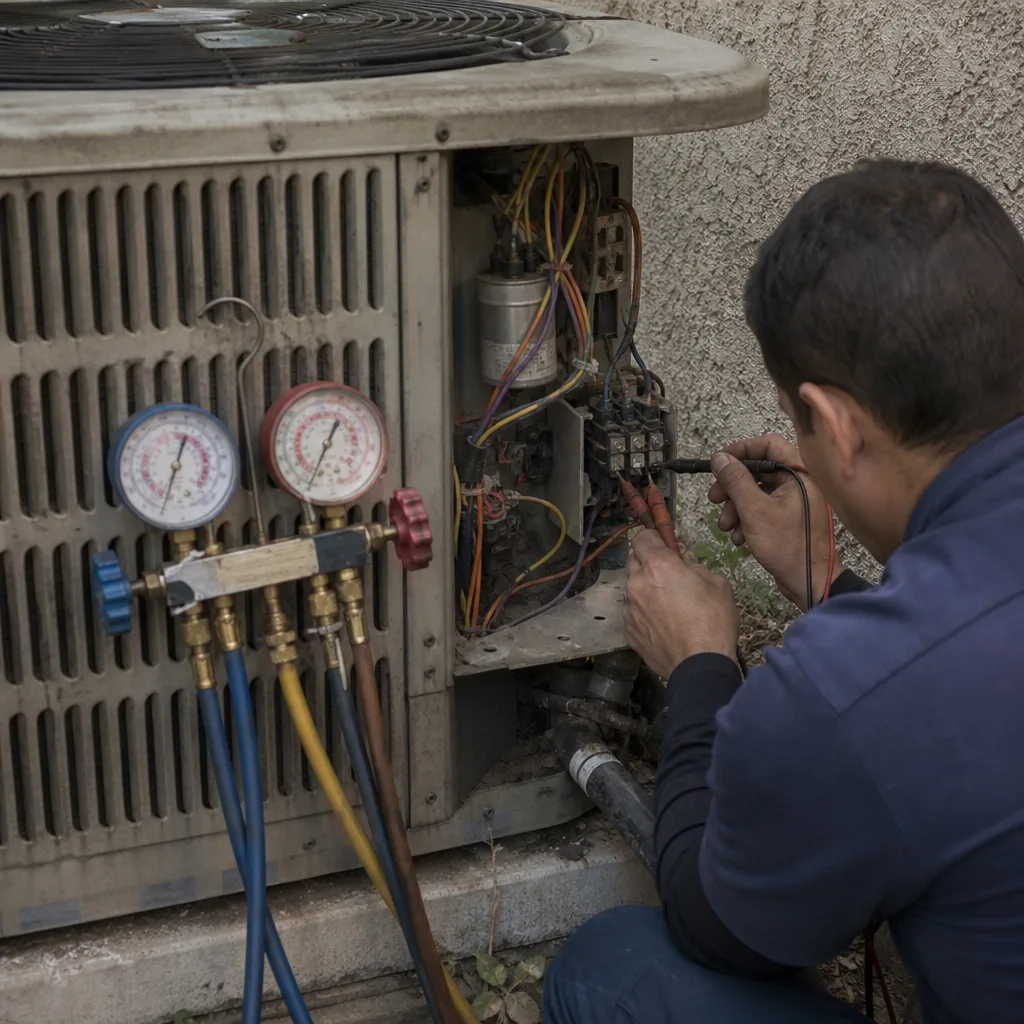 Before
 After
 Before
 After
 Before
 After
When to Call a Professional
Some checklist items you can handle on your own: filter swaps, documenting the model number, the first-heat test run. Others are not homeowner projects. If you smell gas at any point, leave the area and call your gas utility; that’s not a furnace repair call, that’s an emergency. If the new furnace short-cycles, fails to ignite, or shows a fault code on the control board, call a technician. If the temperature rise measured at commissioning was outside spec, or if a room never warms up, or if the flue or venting shows any sign of discoloration or corrosion, stop and call.
AC Repair Spring Valley provides AC Repair Spring Valley and furnace service across the area, and we offer free estimates for furnace replacement. If you’re not sure whether your system needs repair, replacement, or just a tune-up, call (866) 773-7426 for a straight answer. We answer 24/7. Fast dispatch from 7am to 7pm, Sunday through Friday. If you’re outside Spring Valley or in a nearby neighborhood, the same guide applies; see our Spring Valley page for more on how we service the area. We work on the brands that are actually in homes here, and we’ll tell you what your system actually needs.
Frequently Asked Questions
Most furnaces last 15 to 20 years depending on how well they were maintained and how hard they work. In Spring Valley, the heating season is short, so a well-maintained furnace can stay in service for the upper end of that range. Age alone isn’t the deciding factor; a furnace that’s been failing for two or three seasons is a replacement conversation even if it hasn’t reached that range. Call (866) 773-7426 for an assessment. Estimates are free.
The correct size is determined by a load calculation that accounts for your specific house, not by a rule of thumb. Many Spring Valley homes have oversized furnaces because the original install used a generic sizing rule. Ask for the load calculation and compare the recommended BTU input to your existing equipment’s rated output. If the contractor can’t show you the calculation, ask them to re-run it before you sign.
A straight furnace swap is often a one-day job, but it depends on the scope. If the ductwork needs modification, the flue needs venting changes, or the job requires a permit inspection, it can extend to two days. Furnace replacement in Spring Valley is scheduled work, not same-day work: equipment is ordered and the job is planned. Ask for the install date in writing and confirm what’s included in the one-day estimate.
Furnace replacement cost depends on the equipment tier, the size of your home, and any ductwork or venting corrections the job requires. We don’t quote a price without seeing the system. The written estimate is what sets the final price, and the estimate is free. Call (866) 773-7426 to schedule an assessment.
Most cities require a permit for a furnace replacement, so ask your city’s building department what applies to your address before you sign anything. A licensed contractor will pull the permit and coordinate the inspection. Ask who is pulling the permit and whether the inspection is included in the quote. If a contractor tells you a permit isn’t needed, get that in writing from the city, not from the contractor.
Short cycling on a new furnace usually points to one of four things: the unit is oversized for the house, the ductwork is undersized or leaking, the thermostat is miscalibrated, or the filter is loaded. Start with the filter and thermostat. If those are fine, call for a service visit to measure static pressure and temperature rise. Call (866) 773-7426. We answer 24/7. Fast dispatch from 7am to 7pm, Sunday through Friday.
First, check the filter, the thermostat setting, and the circuit breaker. If those are all fine and the furnace still won’t heat, call for service. Don’t open the cabinet. The components inside include gas lines and electrical connections that aren’t homeowner projects. Call (866) 773-7426 for a service visit. Estimates are free.
The Bottom Line
A furnace replacement is a 12-month transition, not a one-day event. The pre-installation audit protects you from buying the wrong size. The quote review protects you from buying the wrong equipment at the wrong scope. Commissioning protects your baseline. The first-heat test catches problems before cold weather turns them into emergencies. The filter cycle keeps the system breathing in desert air. And the documentation set keeps the whole investment visible at resale and at future service calls. Every step is checkable, and none of them require you to understand HVAC engineering. If you want help with the checklist, AC Repair Spring Valley offers free estimates and works on the brands in your home. Call (866) 773-7426. We answer 24/7. Fast dispatch from 7am to 7pm, Sunday through Friday.
Written by the team at AC Repair Spring Valley.