
Last updated November 16, 2026
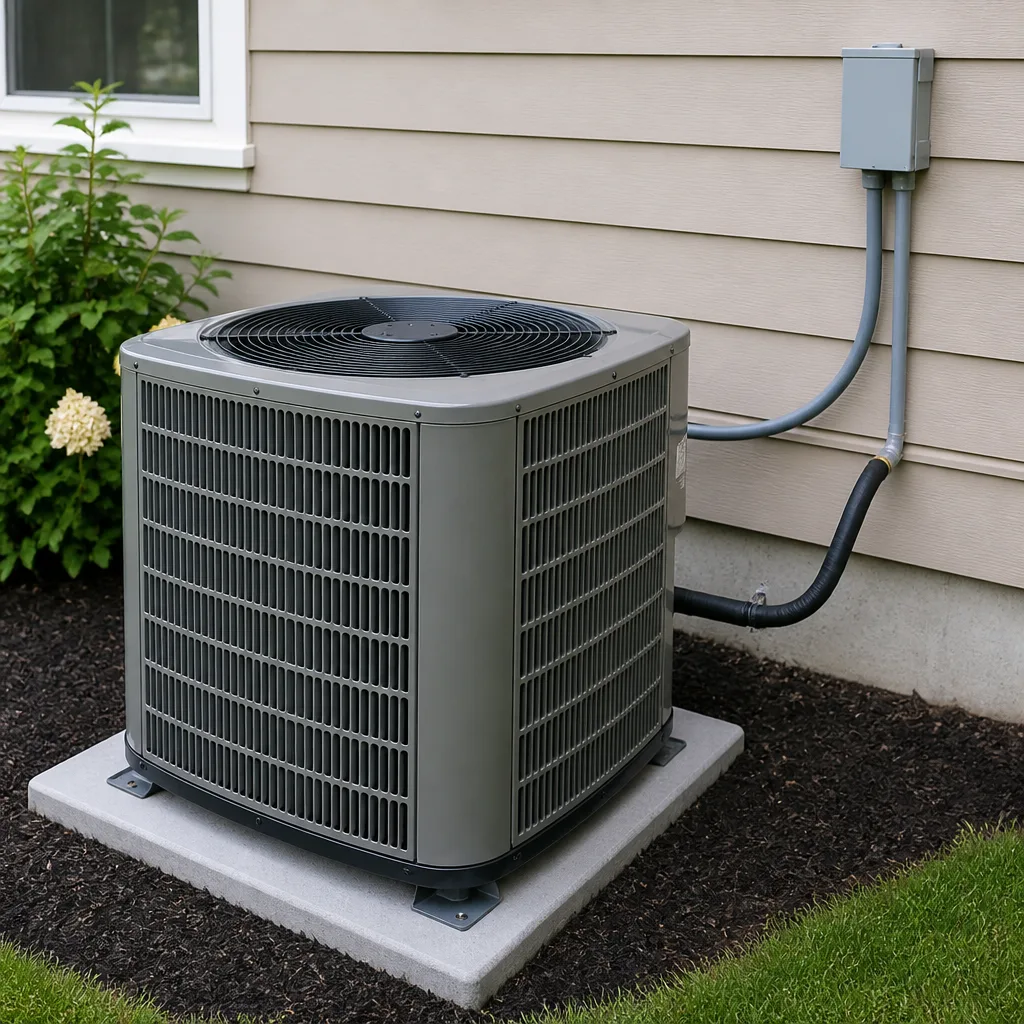 AC repair
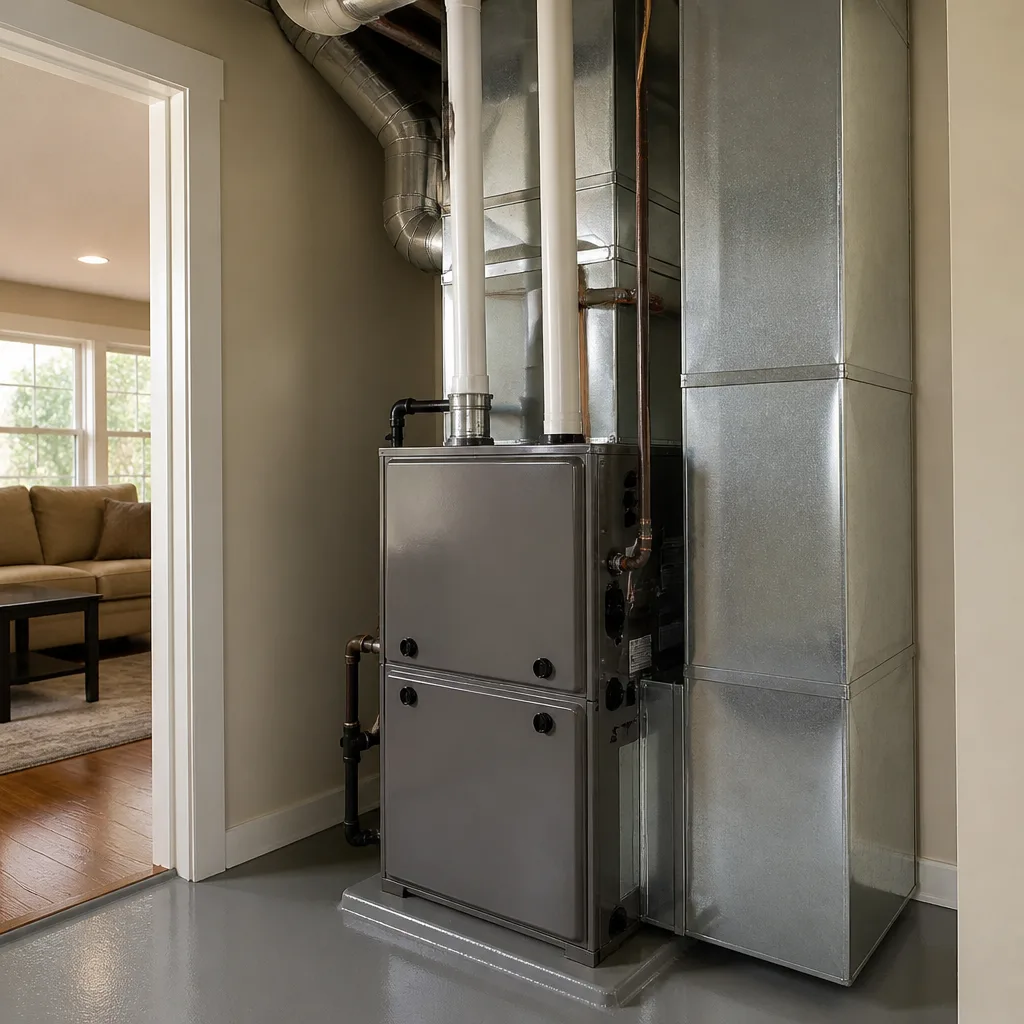 Furnace & heating
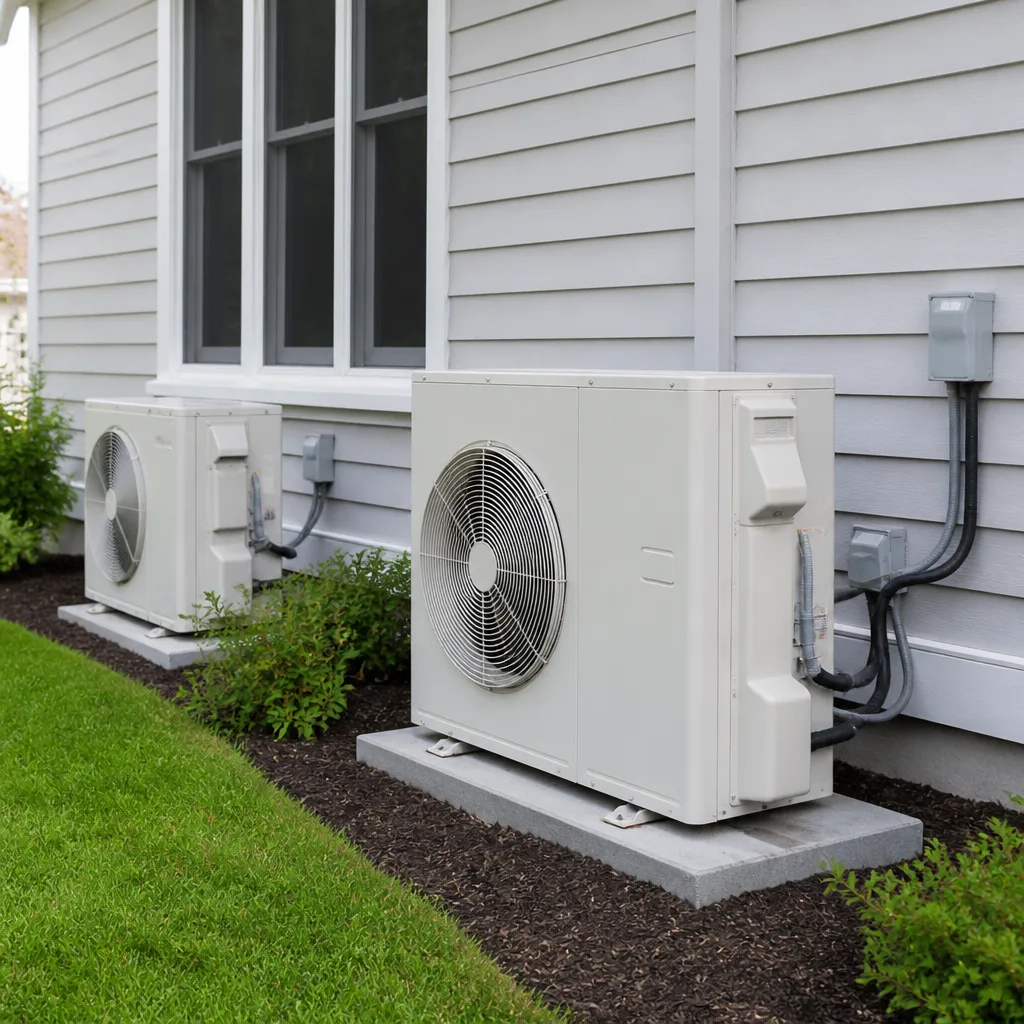 Heat pumps
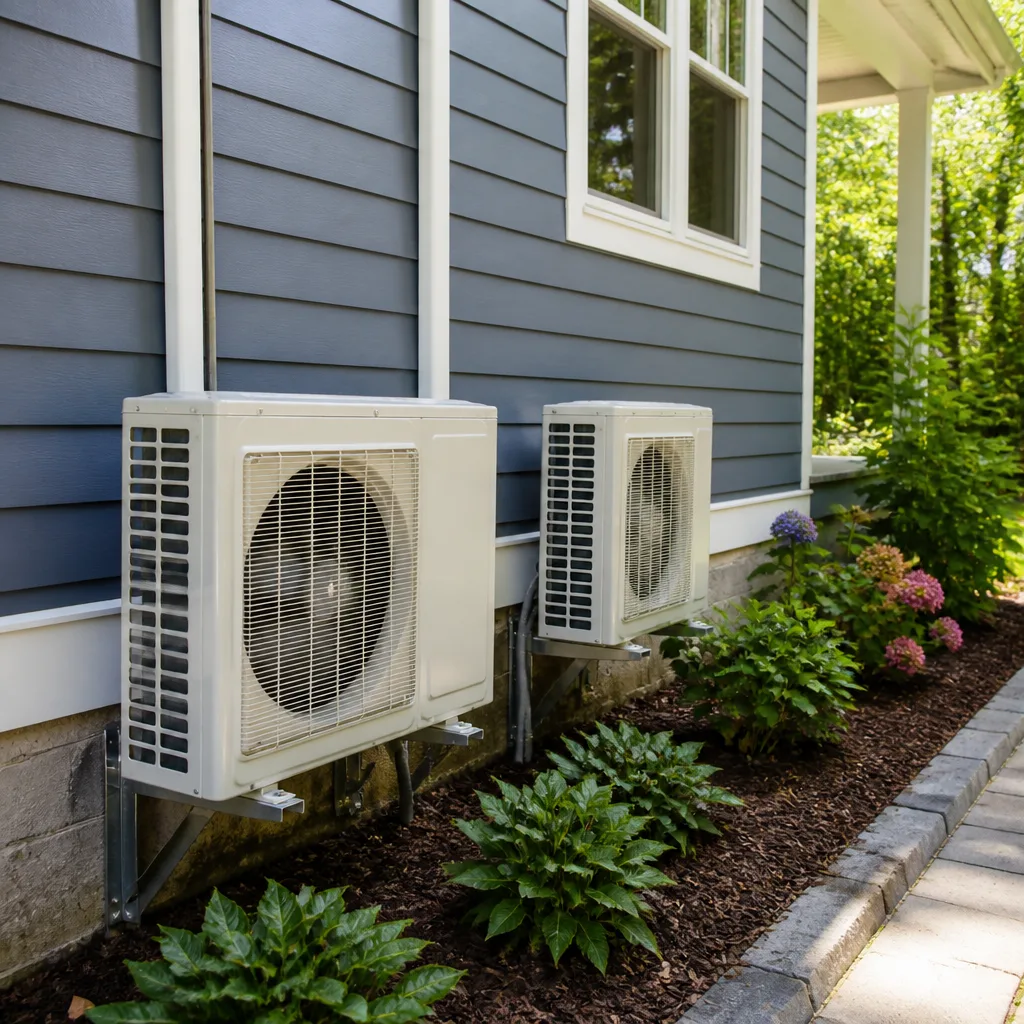 Ductless mini splits
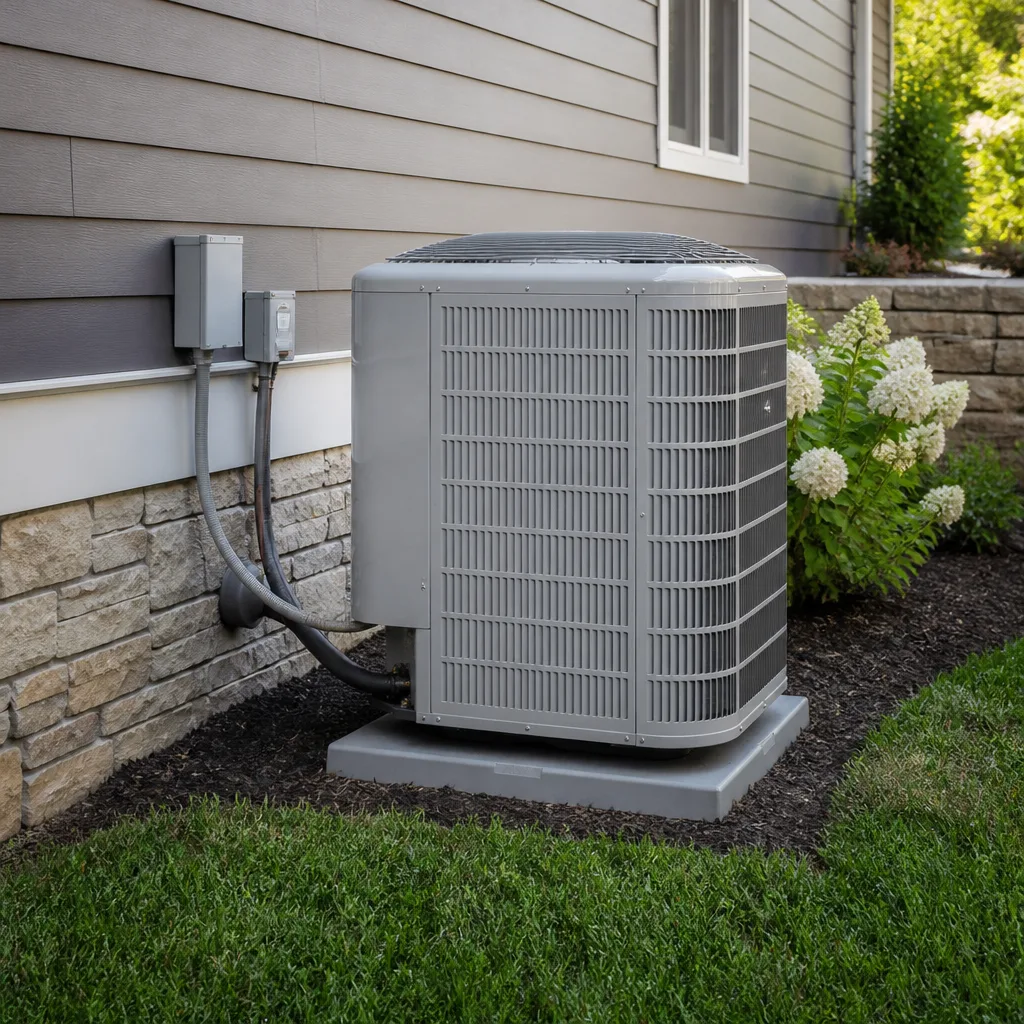 Carrier
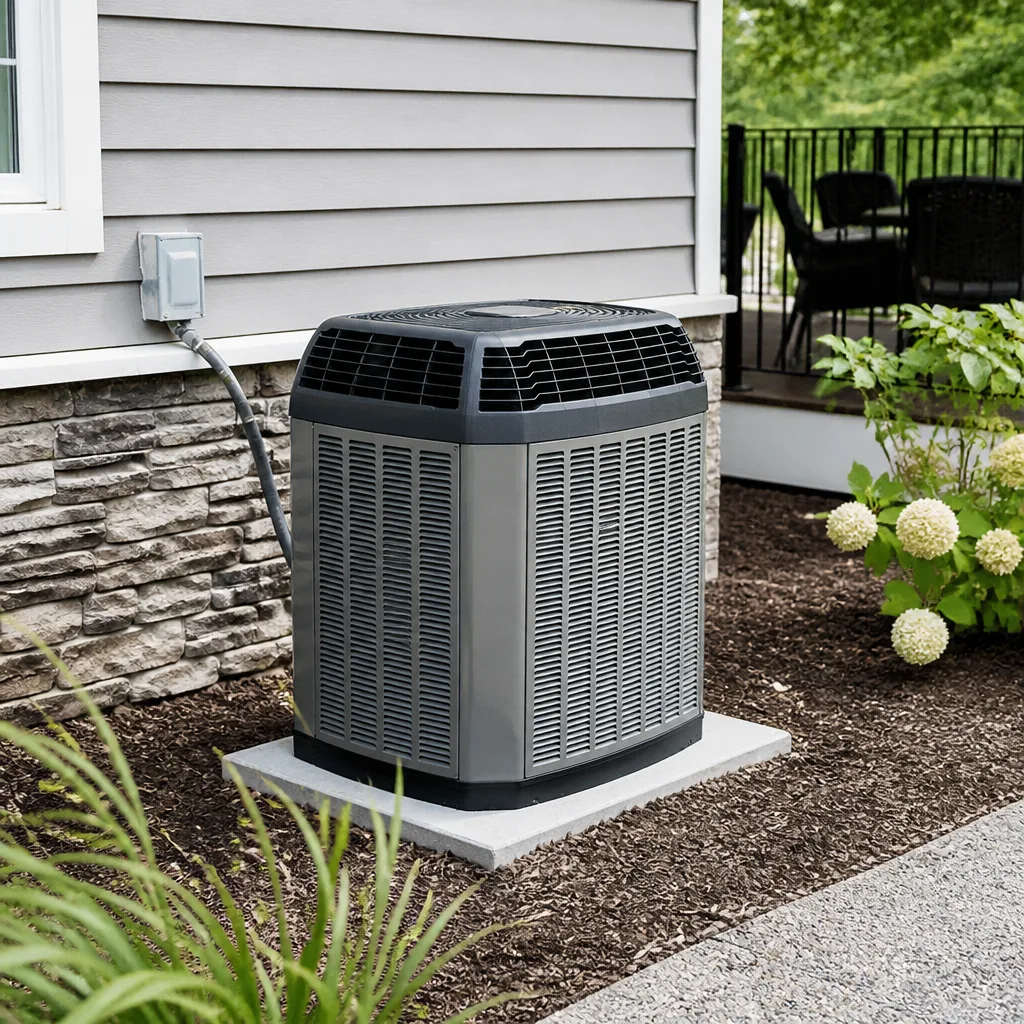 Trane
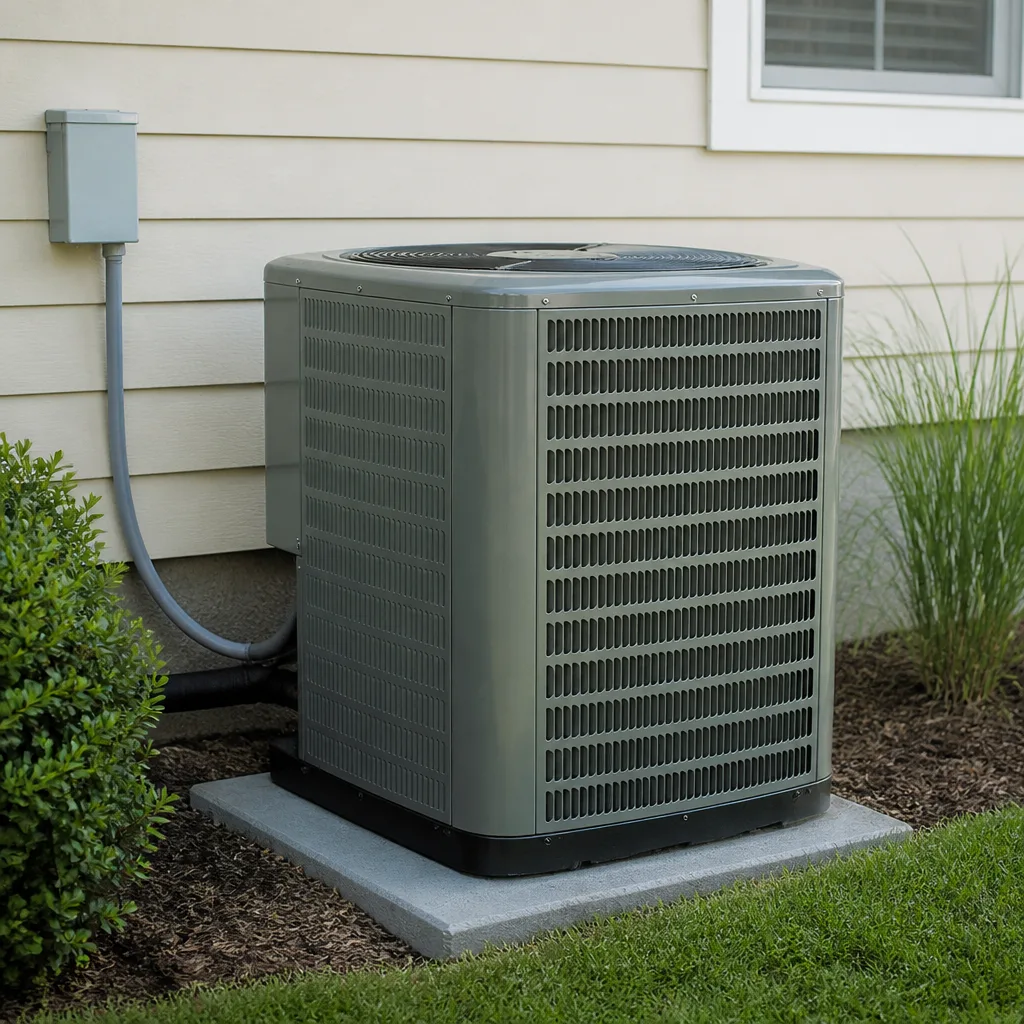 Goodman
Seasonal tune-up and full diagnostic on your Carrier, Trane, or Goodman system - readings shown to you before any repair is proposed
Diagnosis first, numbers second - you approve the repair price before a single part goes in.
Get your free estimateHow to Hire an HVAC Contractor in Spring Valley: A Step-by-Step Guide
Three quotes, three different system sizes for the same house. Homeowners usually read that as a negotiating edge. It isn’t. It’s proof that at least two of those contractors skipped the load calculation, which means their numbers aren’t a price at all – they’re a guess about what equipment might fit. Spring Valley sits in a desert valley where summer heat pushes equipment hard and winter mornings still drop cold enough to matter, so a guess about sizing gets expensive fast. This guide teaches you to disqualify the wrong contractor before price enters the conversation, because in our experience the wrong system installed correctly still costs more than the right system installed well.
Quick Answer
To hire an HVAC contractor in Spring Valley, verify their license through the Nevada State Contractors Board first, then ask five technical questions about load calculation, permits, warranty terms, commissioning and existing ductwork before you let anyone quote. A contractor who answers those clearly and spends two hours assessing your home is worth a higher bid than one who walks through in fifteen minutes. Price only becomes useful to compare once every bidder has measured the same house the same way.
Styles & brands we work with
- AC repair
- Furnace & heating
- Heat pumps
- Ductless mini splits
- Carrier
- Trane
- Goodman
Table of Contents
- Step 1: Verify the Contractor’s Nevada License
- Step 2: Ask the Five Technical Questions Before Any Quote
- Step 3: Insist on a Real Load Calculation
- What a Proper Site Assessment Looks Like vs. a Walk-Through Quote
- Why Brand-Loyal Contractors May Not Fit Your Existing System
- Permits and Code in Spring Valley
- Spring Valley Red Flags Specific to This Market
- How to Decide Between Repair and Replacement
Step 1: Verify the Contractor’s Nevada License
Nevada requires HVAC contractors to hold a state contractor’s license, and checking that license takes about two minutes. Go to the Nevada State Contractors Board website, open the license search, and enter the business name or license number. You’ll see whether the license is active, what classifications it carries, whether it’s been disciplined, and when it expires. If a contractor can’t give you a license number in writing, that’s your answer and you can stop vetting them.
Classification matters as much as existence. An HVAC contractor should hold a classification that covers heating, ventilation and air conditioning work. In Nevada, mechanical and air conditioning classifications are the ones that authorize ductwork and equipment installation, but the exact classification letter and number changes over time, so read the descriptions on the Board’s site rather than trusting a label a contractor uses verbally. A license for general building work doesn’t automatically mean the holder is authorized for HVAC installations.
Two things beyond the license record:
- Insurance. Ask for a certificate of insurance showing general liability coverage. Touring a Spring Valley home to install equipment means ladders, refrigerant, power tools, and a working relationship with your roof and attic.
- Written contract. Nevada requires residential contracts to be in writing on jobs above a threshold amount, but regardless of the legal minimum, never hire on a handshake for HVAC work. Get scope, equipment model numbers, permit responsibility, payment schedule, and warranty terms in the document.
When you call us, we’ll give you the license number without hesitation. That’s the baseline. A contractor who gets evasive about paperwork before you’ve spent a dime is telling you how they’ll behave when something goes wrong mid-install.
Step 2: Ask the Five Technical Questions Before Any Quote
These five questions separate a technician from a salesperson. Ask them in order, listen carefully, and note how each answer lands. A knowledgeable contractor answers in specifics. A salesperson deflects to financing or discounts.
- “Will you do a Manual J load calculation?” The correct answer is yes, and that the calculation uses your home’s insulation, window area, orientation, ceiling height, and occupancy – not square footage alone. A contractor who says “we size by square footage” is sizing by rule of thumb and will be wrong on a lot of Spring Valley’s housing stock, because ranches built in one era and two-story homes built in another use very different amounts of cooling per square foot.
- “Will you pull a permit for the installation?” The correct answer is yes, and that the permit will be pulled in your name on your property. A permit means an inspector looks at the work. Skipping it is often the fastest path to both a warranty problem and a resale problem.
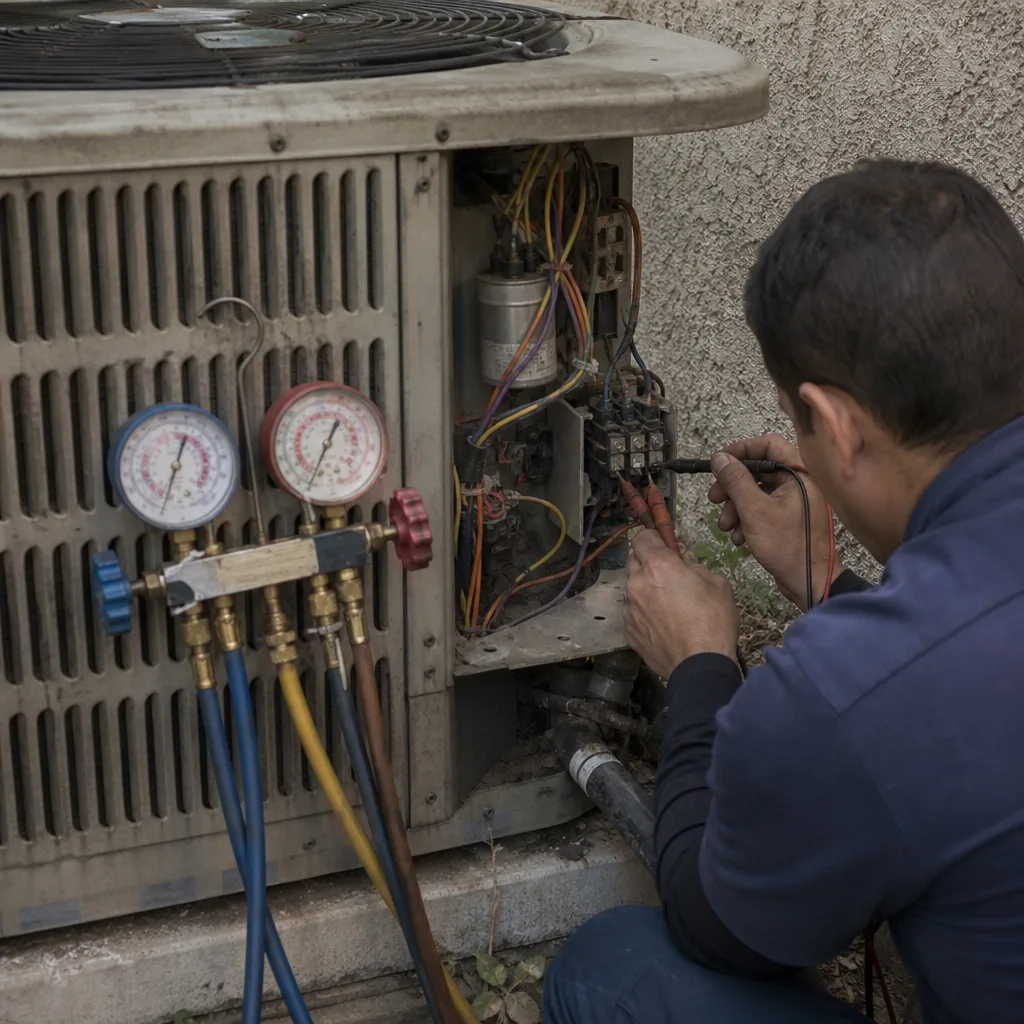
- “What’s the commissioning process?” A real answer involves measuring refrigerant charge, static pressure, temperature split, and airflow at the registers. That’s what it takes to prove the system was installed correctly. A vague answer like “we test it and it works” means nobody measured anything.
- “Will you inspect the ductwork and report static pressure?” Ducts matter as much as equipment. A contractor who won’t evaluate your existing ducts – or who says ducts never need attention – is installing a new system into an unknown air distribution problem. Static pressure testing is the measurement that reveals whether your ducts can actually carry the airflow the new equipment needs.
- “What are the warranty terms, and who honors them?” Ask for the manufacturer’s warranty terms in writing, the labor warranty terms in writing, and clarification on who performs warranty service. A great equipment warranty is useless if the installing company won’t return your calls during a July heat wave.
You don’t need to be an HVAC technician to hear the difference between those answers. The gap between an answer and a deflection is obvious once you know which questions to ask.
Step 3: Insist on a Real Load Calculation
Manual J is the industry standard method for calculating how much heating and cooling a house actually needs. It considers square footage plus ceiling height, window count and orientation, insulation values, wall exposure, roof type, and duct location. The output is a required capacity number in British thermal units – not a range, a number – and a competent contractor will show it to you or tell you precisely what it produced.
Spring Valley’s climate makes this step non-negotiable. Cooling design temperatures here are high enough that an undersized system runs constantly in summer and never quite keeps up, while an oversized system cools fast, then short-cycles, which wears the compressor and leaves humidity control less predictable than it should be. Both failure modes cost real money. Neither shows up until after the install, and by then you’ve paid for equipment you can’t return.
Watch for these shortcuts:
- Equipment sized purely by existing unit capacity (“the last one was a 4-ton, so we’ll do 4-ton again”). The previous installer may have been wrong too.
- “We’ll size it up a little to be safe.” Oversizing is not safe. It’s the most common install mistake we see.
- Quotes that show three equipment options but no statement of what capacity the house actually requires.
Demand the load calculation in writing before signing anything. If a contractor can’t produce it, they’re guessing, and if you get two guesses that happen to match, that’s still a guess – not a measurement. This is the point where AC installation either becomes an engineering job or stays a sales transaction.
What a Proper Site Assessment Looks Like vs. a Walk-Through Quote
A real assessment on a Spring Valley home takes the better part of two hours. A walk-through quote takes fifteen minutes. The time difference is not cosmetic – it’s the difference between a plan and a pitch.
Here’s what a genuine site assessment involves:
- Measuring the envelope. Room-by-room square footage, ceiling heights, and a tally of windows with orientation noted. West-facing glass loads a home very differently than north-facing glass in this climate.
- Checking attic insulation and duct location. In older Spring Valley neighborhoods, attic insulation is often thinner than current standards, and duct runs are often in the attic rather than conditioned space, which changes heat gain dramatically.
- Inspecting the existing equipment. Age, model number, refrigerant type, and condition. If the system uses an older refrigerant that’s no longer manufactured, that’s a real consideration in replacement decisions.
- Testing static pressure and noting duct condition. A pressure gauge on the return and supply reveals whether the duct system can handle the equipment being proposed. Undersized returns are common and cause perpetual airflow problems.
- Photographing the space and documenting findings. A contractor who takes notes and photos is preparing a written proposal based on evidence. A contractor who snaps one picture and leaves is preparing an estimate based on habit.
A walk-through quote typically involves walking inside, looking at the existing unit, asking a few questions, and naming a number. Sometimes that number is competitive. That doesn’t make it right. When you compare contractors in Spring Valley, the one who spent two hours inside your house is usually the one whose bid is actually comparable to the others, because all of them measured the same thing. The fifteen-minute bidder hasn’t.
One practical rule: if you get three quotes and they all propose the same system size, that’s a useful coincidence. If they don’t, ask each bidder to send you the load calculation that produced their number. The bids that lack one should drop out of your comparison immediately.
Why Brand-Loyal Contractors May Not Fit Your Existing System
Plenty of contractors install only one or two manufacturer lines. That’s not a moral failing, and those contractors can be excellent at what they do. But if your home has a Trane furnace and a Carrier air conditioner – or a Lennox system that a previous owner installed – that contractor will steer the conversation toward their line rather than yours. Sometimes that’s genuinely the right call. Sometimes it’s a replacement pitched because it’s what they sell, not because your equipment actually needs to go.
This is why brand fluency matters for homeowners who already have equipment installed, which is the situation for nearly every HVAC customer facing a repair decision. A brand-neutral technician diagnoses the system in front of them, works on the equipment that’s actually on the property, and recommends based on condition and budget. When we work on a system, we can service Carrier, Trane, Lennox, Goodman, and five other major brands, plus residential systems beyond that list. That means the answer to “can you get parts for my Rheem?” is yes, and the answer to “should I replace this?” is based on the machine and the repair cost, not on what we’d prefer to install.
When a contractor is tied to one brand, here’s what can happen:
- Your system gets replaced when a $600 repair would have bought another five years.
- The proposed equipment is the line they stock, not the line that best fits your home’s requirements.
- Ongoing service work forces brand-specific parts with predictable availability problems.
The better question to ask is not “do you install my brand?” – it’s “will you tell me what my system actually needs, even if that’s just a repair?” If the answer sounds rehearsed, ask them to put it in writing. Ask for the brand-neutral diagnostic. A contractor with nothing to push will recommend the least expensive option that solves your problem. A contractor pushing one line will recommend the system they sell.
Permits and Code in Spring Valley
Air conditioning and heating installations require permits in most jurisdictions, and Spring Valley is no different. Permits exist for your protection. They force an inspector to verify the equipment is correctly sized, correctly wired, correctly vented, and correctly connected to your home’s gas or electrical supply. Skipping the permit saves the contractor time. It costs you recourse.
Ask directly: “Will you pull a permit for this installation?” If the answer is “we don’t need one for this,” ask why. Sometimes a like-for-like swap of the same capacity qualifies for a simplified path, but the rules differ and the contractor should be able to explain the reasoning without hand-waving. If the answer is “a permit just slows things down,” that’s not a reason – that’s a warning.
The permit also creates a paper trail. When you sell the house, a permitted installation documents that the work was done legally. When the equipment fails inside the warranty period, a permit record helps support the claim. And when the work goes wrong – incorrectly brazed refrigerant lines, undersized electrical, improper venting – the inspector is often the person who catches the problem before you do.
Building department specifics vary between Clark County and the City of Las Vegas, and Spring Valley’s permitting authority should be confirmed with the local building department for your specific address. The contractor you hire should know which office handles your address. If they don’t, that’s information worth having before you sign a contract.
Spring Valley Red Flags Specific to This Market
The local HVAC market here has the same dynamics as any metro area, with a few twists specific to the climate. Watch for these.
- Same-day pricing pressure. A contractor who shows up in the morning and offers a discounted price only if you sign “before we leave today” is managing a sales funnel, not diagnosing your system. HVAC decisions deserve a day to think about, and a legitimate contractor will respect that. If the pressure is high, walk away and call someone else.
- No mention of permits. If permits don’t come up in the conversation, ask. If the contractor says permits aren’t needed for a full equipment replacement, that’s a strong signal to move on.
- Vague warranty language. “Fully warrantied” means nothing. Ask for the labor warranty in writing, separately from the manufacturer’s equipment warranty. Ask who services the warranty and where the technician will come from. If the answers drift, the paperwork is thin.
- Quotes without model numbers. A written bid should name the exact model being installed. A quote that just says “3-ton system” isn’t a price for a specific product. Different efficiency tiers of the same capacity have different installed costs, so if the model isn’t named, you can’t compare.
- No site assessment. Any quote produced without measuring your house, checking ducts, and producing a load calculation is a guess dressed up as a bid.
- Extreme heat window sales. When a Spring Valley summer stretches above 110, equipment failures cluster and demand spikes. A contractor who uses that moment to justify a premium price on a full replacement is taking advantage of the season, not delivering value.
The pattern across all of these: the red flag is usually not a single thing a contractor says. It’s the absence of the things they should say. A good contractor initiates the license conversation, initiates the permit conversation, initiates the warranty conversation, and initiates the load calculation conversation before you ever ask.
How to Decide Between Repair and Replacement
The repair-versus-replace decision is where honest advice matters most, and there’s no single rule that covers every case. What we use as a starting frame, and what a trustworthy contractor should walk you through:
- Age of the system. If the equipment is beyond its expected service life and the repair is major, replacement usually makes more financial sense. If the equipment is mid-life and the repair is a component swap, repair usually wins.
- Repair cost relative to replacement cost. When a repair bill starts to approach a meaningful fraction of the cost of a new system, replacement is often the better long-term choice. This is judgment, not a formula.
- Refrigerant type. Older refrigerants are being phased out under federal rules. A system using a refrigerant that’s no longer produced for new equipment can still be repaired, but the refrigerant itself may be expensive or hard to source. Ask the question before committing to a repair.
- Efficiency of the existing unit. A 15-year-old unit running at low efficiency costs more to operate every summer. The savings from a modern system don’t always justify replacement on their own, but they shift the math.
- Track record of repairs. A system that’s had three repairs in three years is telling you something. One repair on otherwise solid equipment usually isn’t.
When you’re weighing this decision, you want a contractor who understands both sides. Our team handles furnace repair and full furnace replacement alongside AC installation work, which means the same technician can look at your whole system – heating and cooling – and give you one answer about the whole home. If the contractor quoting your AC works only on air conditioning, they may not be considering furnace age, shared ductwork, or the effect of a new AC matched to an older furnace.
Ask for the analysis in writing. Which repairs did they recommend, what each costs, what each buys you in years of service, and what replacement costs installed. A contractor who can produce that comparison in writing is working from your numbers. A contractor who can’t is managing their own.
Common Mistakes to Avoid
- Choosing on price alone. The low bid is often the low bid because something is missing – the permit, the load calculation, the labor warranty, or a proper commissioning process. Two contractors in Spring Valley quoting different prices for what looks like the same job are usually quoting different jobs.
- Skipping the license check. A contractor who is unlicensed costs you more than the savings when the work fails inspection or the equipment is ineligible for the manufacturer’s warranty. The Nevada State Contractors Board lookup takes two minutes and eliminates the risk entirely.
- Accepting a square-footage quote. A rule-of-thumb sizing is the most common reason homeowners end up unhappy with new equipment. Insist on the load calculation, every time.
- Not asking who services the warranty. The manufacturer honors the equipment warranty. The installer may or may not honor the labor warranty. Confirm which is which, in writing.
- Assuming brand loyalty is expertise. A contractor who installs one line well is a fine contractor – for that line. If your home has different equipment, ask whether they can service it and whether their recommendation reflects your system or their inventory.
- Letting urgency override judgment. When a system fails in a Spring Valley summer, pressure to decide immediately is real. It’s also the exact moment when a sales-driven contractor has the most leverage. Get the written estimate, then make the call.
- Ignoring the ducts. A new system installed into undersized ducts with leakage into the attic will underperform no matter how good the equipment is. Duct evaluation belongs in every assessment, even if the duct work itself isn’t being replaced.
See the difference
 Before
 After
 Before
 After
 Before
 After
When to Call a Professional
Some HVAC situations call for a professional, full stop. Gas-fired furnace components, electrical connections to equipment, refrigerant handling, and any work involving the compressor or the refrigerant circuit are not homeowner territory. Refrigerant lines run at high pressures and require recovery equipment by law. Furnace gas valves and heat exchangers can fail dangerously if handled incorrectly. If your system has a refrigerant leak, a failed compressor, repeated breaker trips, or a furnace that smells of gas or produces combustion smells inside the home, treat it as an emergency and call a trained technician.
Smaller things – a dirty filter, a thermostat set wrong, a tripped breaker – are worth checking yourself first. If the system still won’t come on, or if it’s cycling unpredictably, that’s your signal to call. We answer 24/7, with fast dispatch from 7am to 7pm, Sunday through Friday. AC Repair Spring Valley offers free estimates in Spring Valley. Call (866) 773-7426 for an exact quote.
Frequently Asked Questions
Use the Nevada State Contractors Board online license search. Enter the contractor’s business name or license number and confirm the license is active, carries the right classifications for HVAC work, and has no disciplinary disclosures. Ask the contractor for the license number in writing before you schedule a quote – a legitimate contractor will provide it immediately. Call (866) 773-7426 if you’d like us to walk you through what to look for during the check.
Because at least some of them aren’t doing a load calculation. Manual J load calculation measures a house’s actual heating and cooling requirements based on insulation, windows, orientation, ceiling height, and duct location. Two contractors measuring the same Spring Valley home correctly will land on the same capacity. Contractors who size by square footage alone, or copy the capacity of the outgoing unit, will frequently land somewhere else. Ask every bidder to send you the load calculation. Call (866) 773-7426 for an exact quote – estimates are free.
Yes, HVAC installations typically require a permit in Clark County and in the City of Las Vegas. The contractor should pull the permit in your name and schedule the inspection as part of the job. Confirm which building department handles your address, because permitting authority varies within the Spring Valley area. A contractor who says permits aren’t needed for a full equipment replacement is telling you something about how they work. Call us to talk through what a proper permitted install looks like.
The honest answer depends on the age of the equipment, the specific repair being proposed, and the cost of that repair relative to the cost of replacement. There’s no single rule that covers every system. What matters is that your contractor shows you the analysis in writing: repair options with costs, replacement costs installed, and how many service years each option buys. Call (866) 773-7426 and we’ll give you a direct answer based on your equipment, not on what we’d prefer to sell you.
You can, and plenty of homeowners do. But if your existing system is a brand that contractor doesn’t service, or if their recommendation always steers toward their line, you’ll want to ask harder questions. A contractor who works across multiple brands can tell you whether a repair makes sense on your current equipment or whether replacement is the right move. We’re certified on Carrier, Trane, Lennox, Goodman, and five other major brands, so the conversation starts with your equipment rather than with what we stock. Call for a free estimate on your system.
A proper assessment usually takes one to two hours. The contractor should measure every room, check attic insulation and ductwork, test static pressure, and photograph the equipment space. A fifteen-minute walk-through doesn’t leave time for that, and any bid that comes out of it reflects a guess about your house rather than a calculation. When in doubt, ask the contractor to send you the load calculation and static pressure test results that backed up their number.
What Happens When You Call
When you call us, we start with questions about your system and your address. Then we schedule a visit for a full assessment – not a walk-through. A technician will measure your home, evaluate the equipment and ducting, and produce a written recommendation you can compare against anything else you’re considering. We diagnose based on what your system actually needs, whether that’s a repair on a system that still has life left or a full replacement. We work on heating and cooling as a pair, so you don’t need two contractors for one house. Our technicians have up to 8 years of experience, and we handle both AC Repair Spring Valley service calls and full system replacements across the Spring Valley area.
The Bottom Line
Hiring an HVAC contractor in Spring Valley is a vetting problem, not a price problem. Verify the license first, ask the five technical questions second, insist on a load calculation third, and expect a real site assessment before any quote. Price only becomes a useful comparison after every bidder has measured the house the same way. A contractor who shows you the load calculation, names the model numbers, pulls the permit, puts warranty terms in writing, and works on your existing equipment without pushing a brand earns the job. A contractor who doesn’t, doesn’t. Spring Valley summers are hard on equipment and winters are cold enough to matter, so the system in your home needs to be sized for the house it’s in. That’s the whole guide.
Ready to get an honest assessment of your system? AC Repair Spring Valley offers free estimates. Call (866) 773-7426. We answer 24/7. Fast dispatch from 7am to 7pm, Sunday through Friday.
Written by the team at AC Repair Spring Valley.