
Last updated November 16, 2026
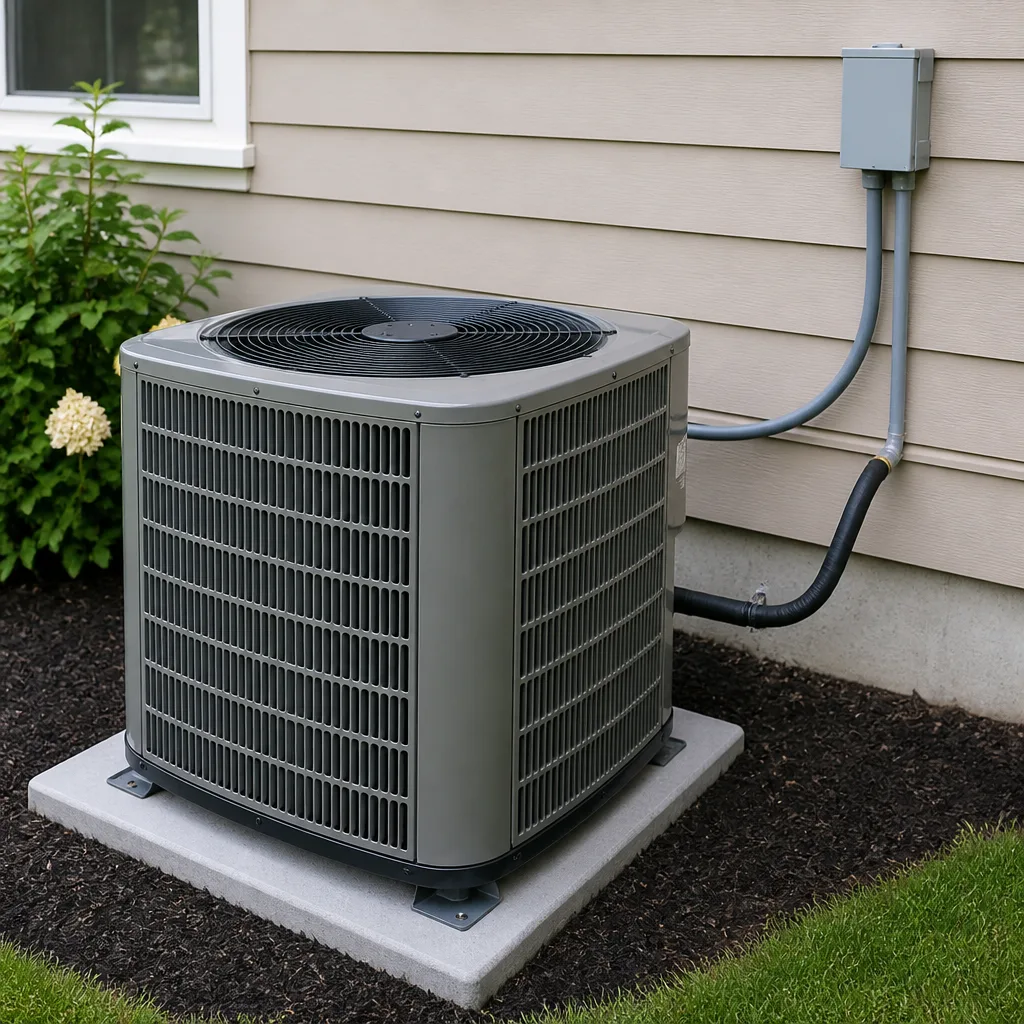 AC repair
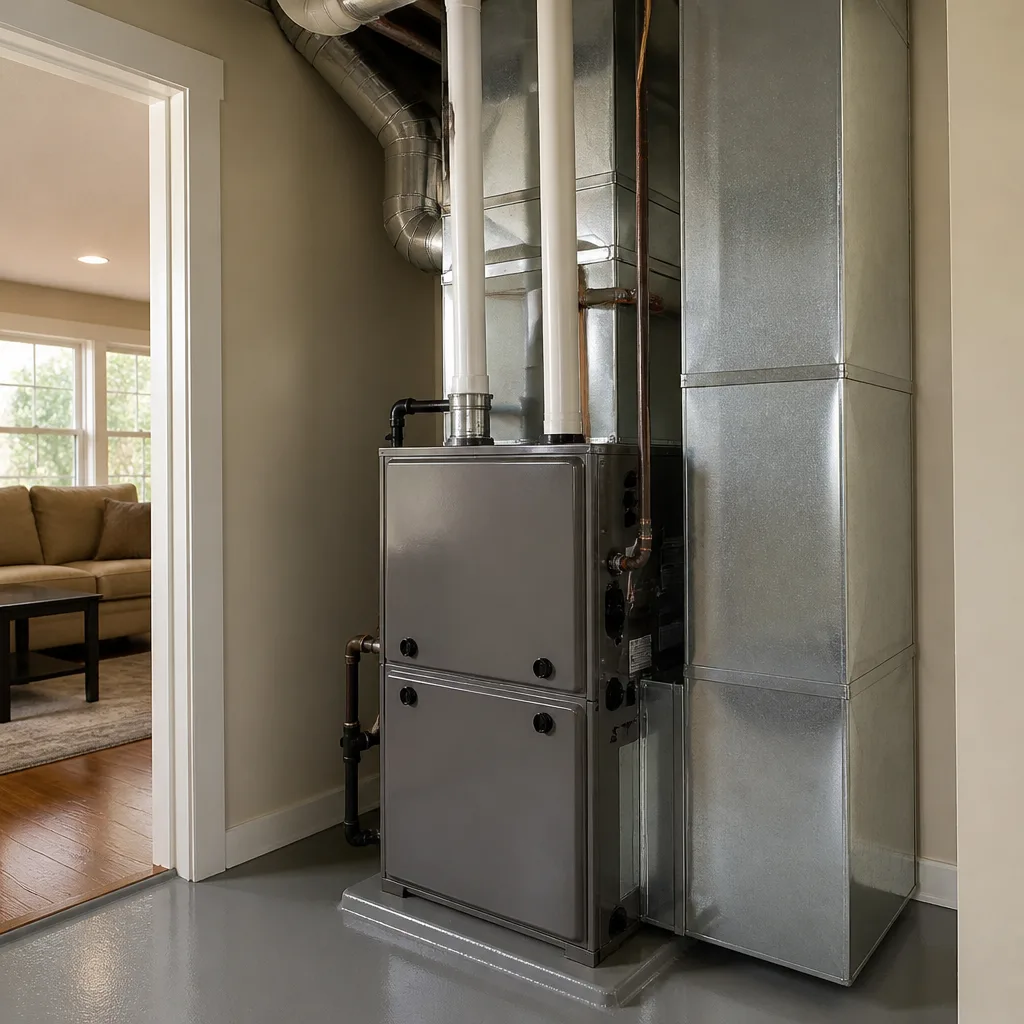 Furnace & heating
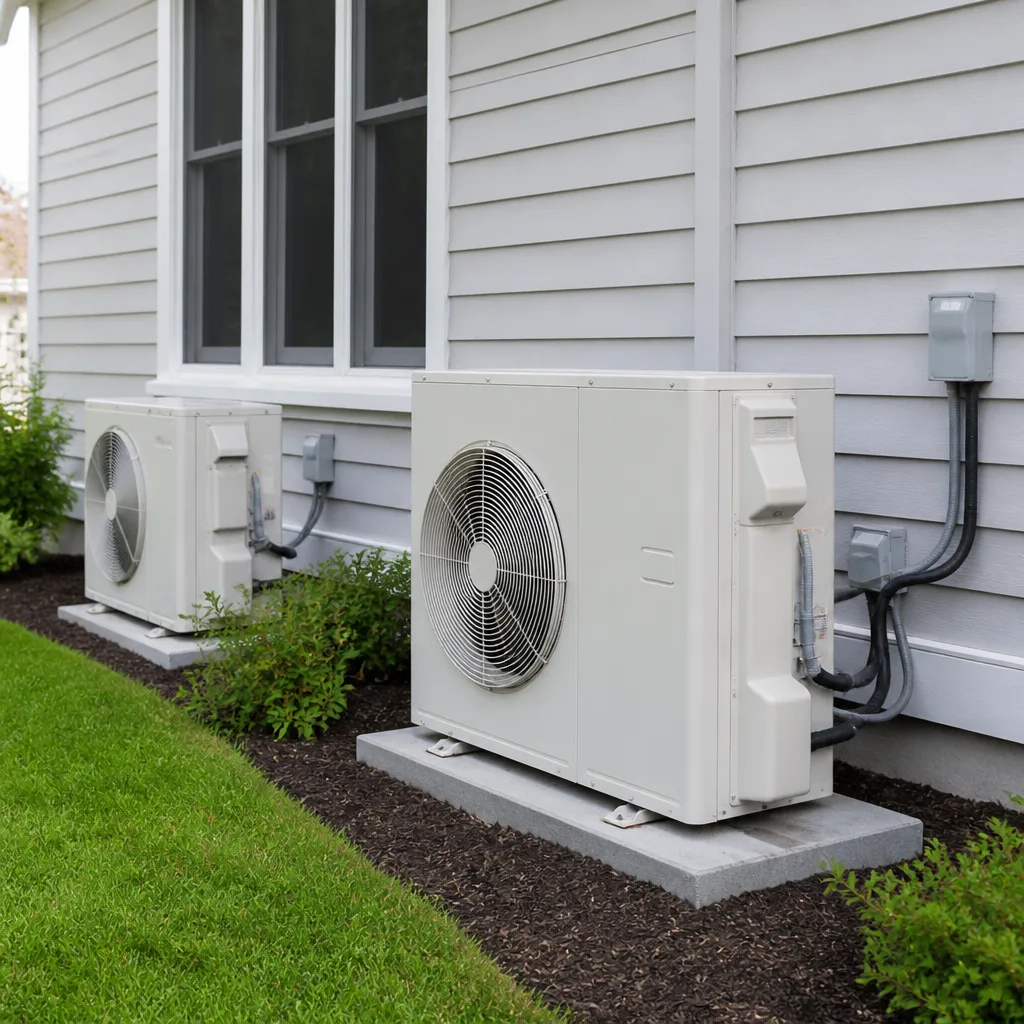 Heat pumps
 Ductless mini splits
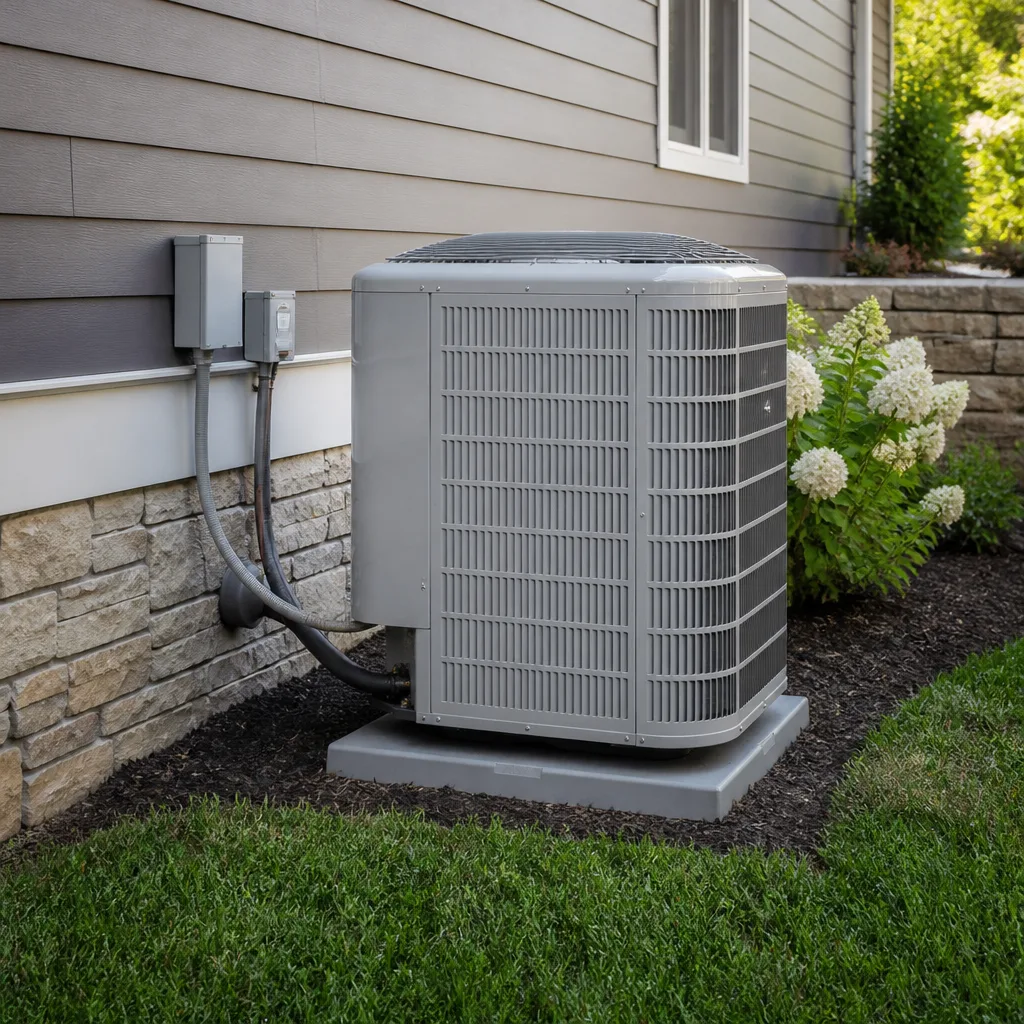 Carrier
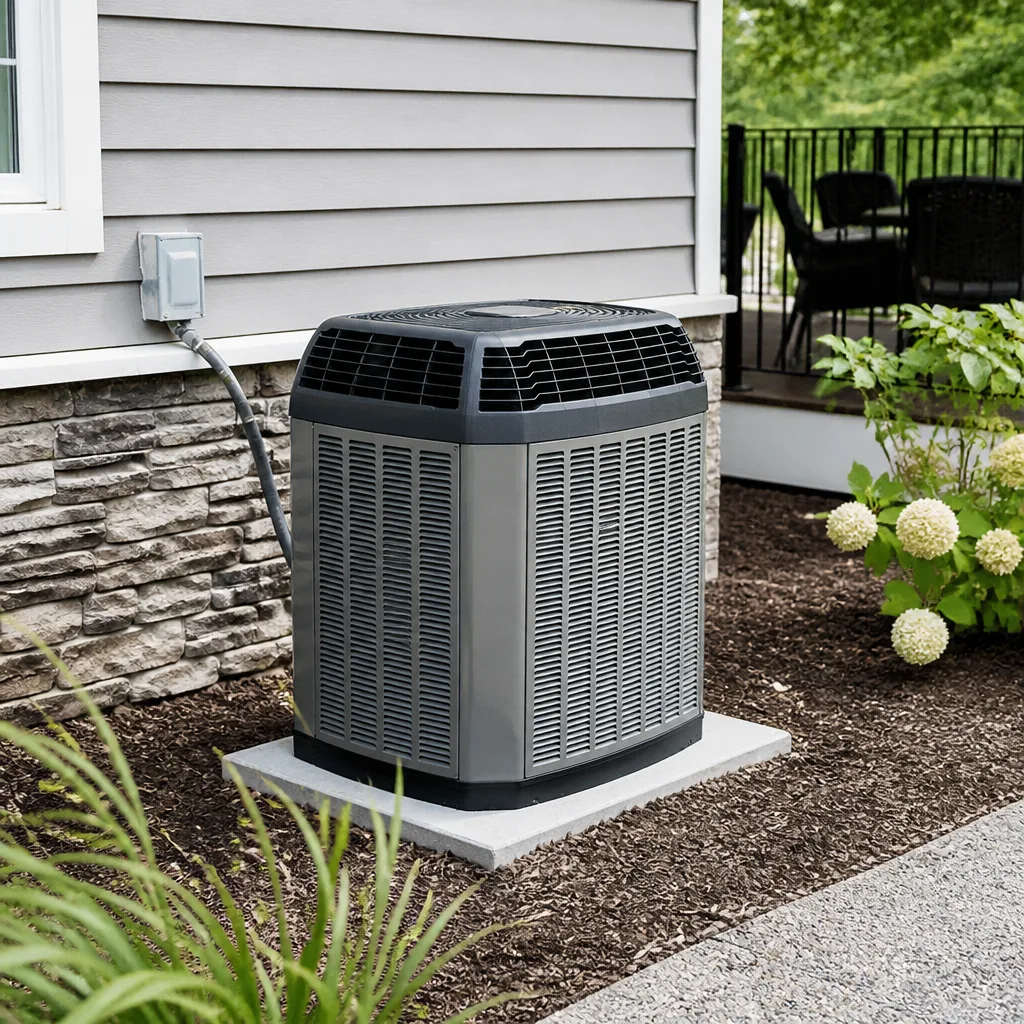 Trane
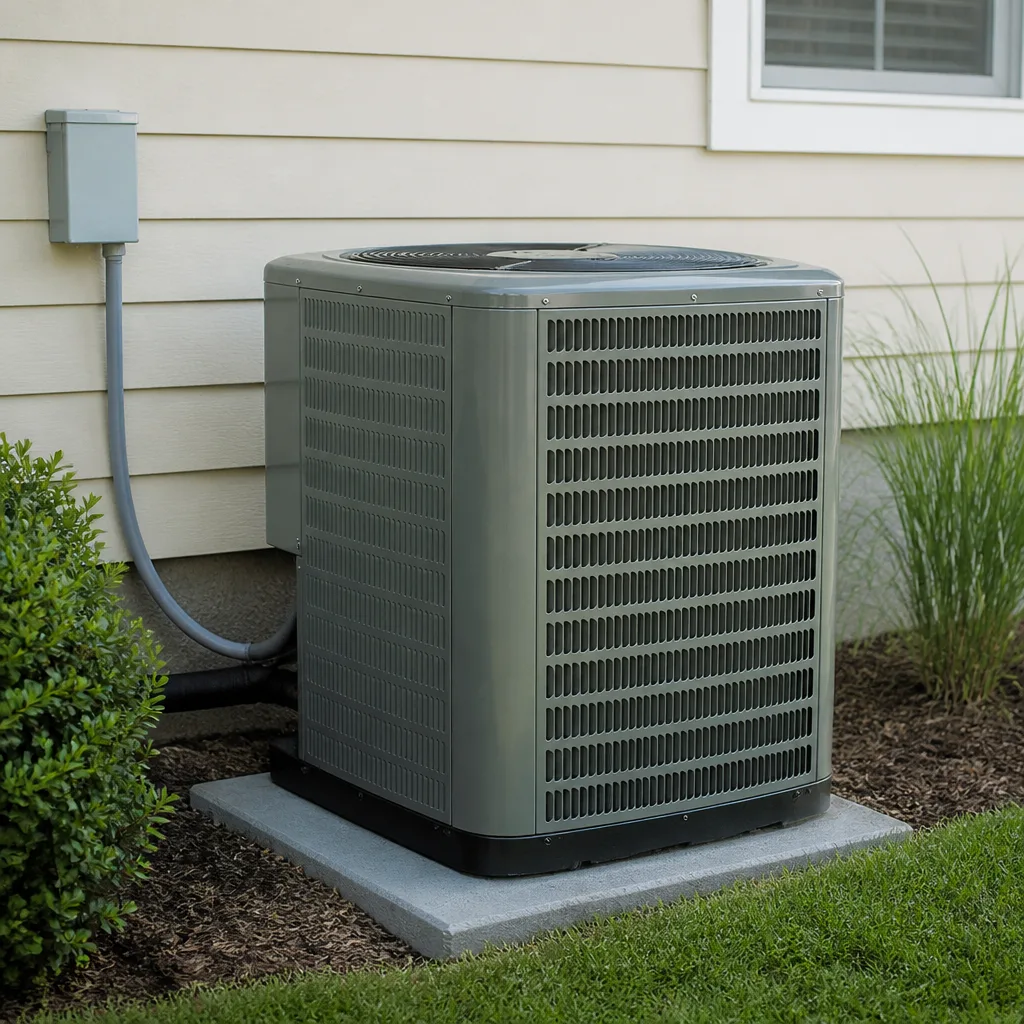 Goodman
Seasonal tune-up and full diagnostic on your Carrier, Trane, or Goodman system - readings shown to you before any repair is proposed
Diagnosis first, numbers second - you approve the repair price before a single part goes in.
Get your free estimateHVAC Permits, Codes & Inspections in Spring Valley, NV: What You Need to Know
If a contractor tells you a permit “isn’t necessary” for a straight equipment swap in Clark County, they’re either wrong or they know their work won’t pass inspection. Neither is acceptable. Most homeowners never think about permits until a sale falls through or an insurance adjuster starts asking questions, and by then the paperwork problem is yours, not the contractor’s. This guide walks through exactly which HVAC jobs in Spring Valley need a permit, how the inspection actually works, what happens to an insurance claim when unpermitted work is traced to a fire, and how to check permit history before you buy a house. You’ll finish knowing what to ask and what to verify.
Quick Answer
In Spring Valley and the rest of unincorporated Clark County, replacing or installing an HVAC system – including a like-for-like equipment swap – requires a mechanical permit and a final inspection. Simple repairs, filter changes, thermostat swaps on existing wiring, and routine tune-ups are exempt. The permit is the contractor’s responsibility to pull, and the inspection is the safeguard that proves the work was done to code.
Styles & brands we work with
- AC repair
- Furnace & heating
- Heat pumps
- Ductless mini splits
- Carrier
- Trane
- Goodman
Table of Contents
- Which HVAC jobs need a Clark County permit – and which don’t
- How the Clark County inspection process actually works
- What an unpermitted install does to your insurance claim
- Nevada energy code, SEER ratings, and duct sealing standards
- How to verify permit status when you’re buying a home
- How to hold your contractor accountable
- Common mistakes to avoid
- Frequently asked questions
Which HVAC jobs need a Clark County permit – and which don’t
Clark County’s building department draws a clean line between replacement and repair, and that line matters more than most homeowners realize. Anything that changes the equipment, the refrigerant circuit, the electrical supply, or the duct system is generally permit territory. Swapping a failed compressor for a new one of the same size, cleaning a condenser coil, or replacing a capacitor is a repair – no permit.
Here’s the practical breakdown:
- Permit required: Full system replacement (condenser and air handler or furnace), new construction installs, changeouts that involve a different tonnage or efficiency rating, new duct runs, major duct modifications, adding a mini-split or second zone, relocating equipment, and any gas line work tied to a furnace swap.
- No permit required: Filter changes, coil cleaning, capacitor or contactor replacement, blower motor replacement (same model), refrigerant recharge on an existing sealed system, thermostat replacement using existing wiring, and seasonal tune-ups.
- Genuinely gray, so ask: Adding a return-air grille, replacing a section of flex duct after a tear, or swapping a furnace control board. The safest move is to call the county and ask, or make your contractor confirm in writing that no permit is required and cite why.
The pattern to remember: repair preserves existing equipment; replacement and modification change the system. In Spring Valley’s housing stock – a lot of it built through the 1990s and 2000s with the original equipment still in place – most homeowners facing an aging system are looking at the replacement category, which is exactly where the permit question comes up. When you’re pricing out new equipment, our ac installation page walks through what a compliant install actually includes.
How the Clark County inspection process actually works
Here’s the part most contractors gloss over: the inspection isn’t a formality. Clark County inspectors physically verify the work, and a failed inspection means the equipment can’t be signed off until the problem is corrected and re-inspected. That’s a real cost and a real delay, which is why some contractors skip permits entirely – pulling one means their work will be checked.
In practice, the sequence looks like this:
- Permit application. Your contractor pulls the mechanical permit before work begins. In unincorporated Clark County, that happens through the county’s online permitting system. The permit application ties the job to a specific address, equipment model, and efficiency rating.
- Rough-in inspection (when applicable). For jobs that involve new ductwork, gas line modifications, or electrical rough-in, an inspector verifies the work before it’s covered up.
- Final inspection. After the equipment is installed and running, the inspector checks the electrical disconnect, refrigerant line routing, condensate drainage, flue venting on gas furnaces, and equipment nameplate against the permit.
- Sign-off. The permit is closed and the inspection record becomes part of the property’s file with the county. That’s the record future buyers, appraisers, and insurers can pull.
Turnaround depends on the county’s scheduling queue at any given time. Finals typically move faster than rough-ins, but the honest answer is that you should ask your contractor to commit to a realistic inspection date rather than guessing. In our experience working through Spring Valley’s summer heat, getting the final inspection scheduled promptly is one more reason to use contractors who pull permits as a matter of routine. If your system fails during a heat wave, the furnace repair side of the same crews also handles emergency no-cool calls – but the replacement job that follows still needs a permit, no matter how urgent the situation.
What an unpermitted install does to your insurance claim
If a house fire or water loss is traced to work that was never permitted or inspected, your homeowner’s policy can deny the claim or reduce the payout. This is the part of the permit story that costs homeowners the most, and it’s the piece most contractors never mention. Insurers don’t usually walk around checking permit records at the time you buy the policy. They check after a loss.
The logic is straightforward: your policy assumes the home was built and maintained to code. Unpermitted HVAC work – faulty wiring to a condenser, a gas furnace connected without proper venting, refrigerant lines run without a pressure test – is a code violation, and a loss caused by a code violation gives the insurer a defensible reason to deny or subrogate. That’s before we get to the sale problem: most buyers’ lenders require a clean permit history on financed purchases.
The installs that get missed most often in Spring Valley, in our experience:
- Furnace and AC changeouts done as a “cash special” with no permit filed.
- Mini-split installs in converted garages or casitas where the electrical was also unpermitted.
- Duct modifications during a remodel where the HVAC work got bundled into a general permit and never inspected separately.
For a homeowner, the lesson is simple: ask for the permit number before the crew starts. A legitimate contractor will hand it over without hesitation. For background on what a compliant install includes, our Spring Valley page covers the standards our technicians work to on every job, and the AC Repair Spring Valley home page outlines the full service list across cooling and heating.
Nevada energy code, SEER ratings, and duct sealing standards
Nevada adopted the 2021 International Energy Conservation Code and ASHRAE 90.1 as its commercial energy code baseline, and the residential provisions show up in the equipment you’re allowed to install and the duct work that has to pass inspection. For a Spring Valley homeowner, the practical effect is that your new system has to meet a minimum efficiency rating to be permitted at all, and your ducts have to be sealed and tested against specific leakage limits when they’re new or modified.
Here’s what that means in plain terms:
- SEER ratings. Minimum efficiency for residential split systems is set by code and has climbed with each code cycle. A contractor installing a 14 SEER unit in 2025 or later in a permitted changeout may be installing equipment that fails inspection because it doesn’t meet the adopted minimum. Ask your contractor to confirm the equipment model’s efficiency rating meets current Nevada code before you sign.
- Duct sealing. New and substantially modified duct systems have to be sealed at the joints and connections – mastic or approved tape, not standard cloth duct tape – and tested for leakage against the code’s threshold. In a hot desert climate, duct leakage is double trouble: it wastes cooling capacity in summer and pulls attic heat into the supply airstream. Spring Valley attics regularly run above 140°F in July, so unsealed boots and joints leak expensive cooled air into a scorching space.
- Insulation values. Duct insulation in unconditioned attics has to hit the R-value specified in the code for the climate zone. Clark County sits in a hot-dry climate zone, and the code’s requirements reflect that.
The good news for Spring Valley homeowners is that a properly permitted install comes with built-in proof of compliance: the inspector checks the nameplate against the permit. If you’re comparing quotes and one is unusually low, the missing efficiency compliance is one of the places the money went. If you’re being asked to choose between upgrading to a higher-SEER system or staying with code minimum, a contractor who works across Carrier, Trane, Lennox, Goodman, and other major brands can show you the real price difference rather than steering you to whatever line they stock.
How to verify permit status when you’re buying a home
Before you close on a house in Spring Valley, spend twenty minutes on permit history. This is the cheapest due diligence you can do, and it saves buyers from inheriting both the cost of unpermitted work and the headache of trying to retroactively permit it. In Clark County, the building department maintains an online permit search by address – you can pull every permit filed, every inspection completed, and every permit still open.
Here’s what to look for on a property record:
- Pull the permit history by address. You’re looking for a mechanical permit filed around the age of the current equipment. The equipment’s manufacture date is stamped on the data plate on the outdoor unit or furnace – usually a serial number you can decode, or an explicit date.
- Check for an open permit. An open permit means the work was filed but never inspected or closed. That’s the biggest red flag, because it can block a sale or force a re-inspection before closing.
- Match the permit to the equipment. The permit application lists the equipment model and tonnage. If the installed unit doesn’t match, the equipment was swapped without a permit.
- Look for a final inspection. A filed permit without a final inspection means the work may not have been completed to code. Ask the seller for proof of the final before you remove contingencies.
- Check for bundled permits. A whole-house remodel permit with HVAC scope should show a separate mechanical inspection. If the HVAC scope was never inspected separately, treat it as unpermitted.
What unpermitted HVAC work looks like on a property record is mostly an absence: no mechanical permit around the equipment’s manufacture year, or a permit with no final inspection. If you find either, get a quote for what it would cost to have a licensed contractor correct and permit the work, and negotiate that into the sale price. It’s not a deal-breaker, but it’s a real number.
How to hold your contractor accountable
Accountability starts with a written commitment, before the crew shows up. The permit number, the equipment model and efficiency rating, the inspection timeline, and who is responsible for scheduling and passing the final inspection – all of it should be in writing. A contractor who resists putting any of that on paper is telling you something.
Our approach when a Spring Valley homeowner hires us for a furnace replacement or a full system changeout: we pull the permit as part of the job, we schedule the inspection, and we don’t call the job done until the county signs off. Our technicians have up to 8 years of experience working through Clark County’s code requirements, and they’ve seen what happens when the permit gets skipped.
Ask any contractor these five questions before you sign:
- Will you pull the mechanical permit before starting work, and will you give me the permit number?
- What is the equipment’s SEER rating, and does it meet current Nevada code for this climate zone?
- Who schedules the final inspection, and what happens if the inspection fails?
- Will the written contract include the permit scope, the equipment model, and the inspection responsibility?
- Can you show me the duct sealing method and any pressure-test provisions the code requires on this job?
The marketplace reality is that HVAC contractors vary widely in how seriously they take the permit process. Some pull permits as a matter of course and price it in. Others quote a lower number precisely because they skip the permit – and pass the liability onto you. If a quote is meaningfully below the others for the same equipment, permit and inspection costs are the first thing to check.
Common Mistakes to Avoid
- Accepting “permits aren’t needed for like-for-like.” Clark County requires a permit for equipment replacement, including identical-tonnage changeouts. A contractor who says otherwise is either misinformed or avoiding inspection – and either way, you absorb the risk.
- Skipping the final inspection to save time. A permit with no final inspection is an open permit on the property record, which can trip up a sale and complicate an insurance claim. Don’t let a contractor install equipment and never call for the final.
- Comparing quotes on price alone. The lowest bid in Spring Valley is often the one with the permit and inspection costs stripped out, which means the compliance work never happened. Compare scope, not bottom line.
- Not checking the equipment’s SEER rating against current code. Efficiency minimums have climbed with each Nevada code cycle. Equipment that met code five years ago may not meet it in a permitted changeout, so the model number matters.
- Assuming duct tape seals ducts. Standard cloth duct tape fails inspection and fails in use in Spring Valley’s hot attics. Code requires mastic or an approved sealing tape and, on new or modified systems, leakage testing.
- Buying a home without pulling the permit history. A twenty-minute permit search by address would catch most unpermitted HVAC work before closing. Skipping it hands you the cost of corrections.
- Not asking who pulls the permit. In most residential HVAC work the contractor pulls the permit, but you need it agreed in the written contract. If it’s unspecified, you may find yourself as the permit holder, which puts the inspection responsibility on your plate.
See the difference
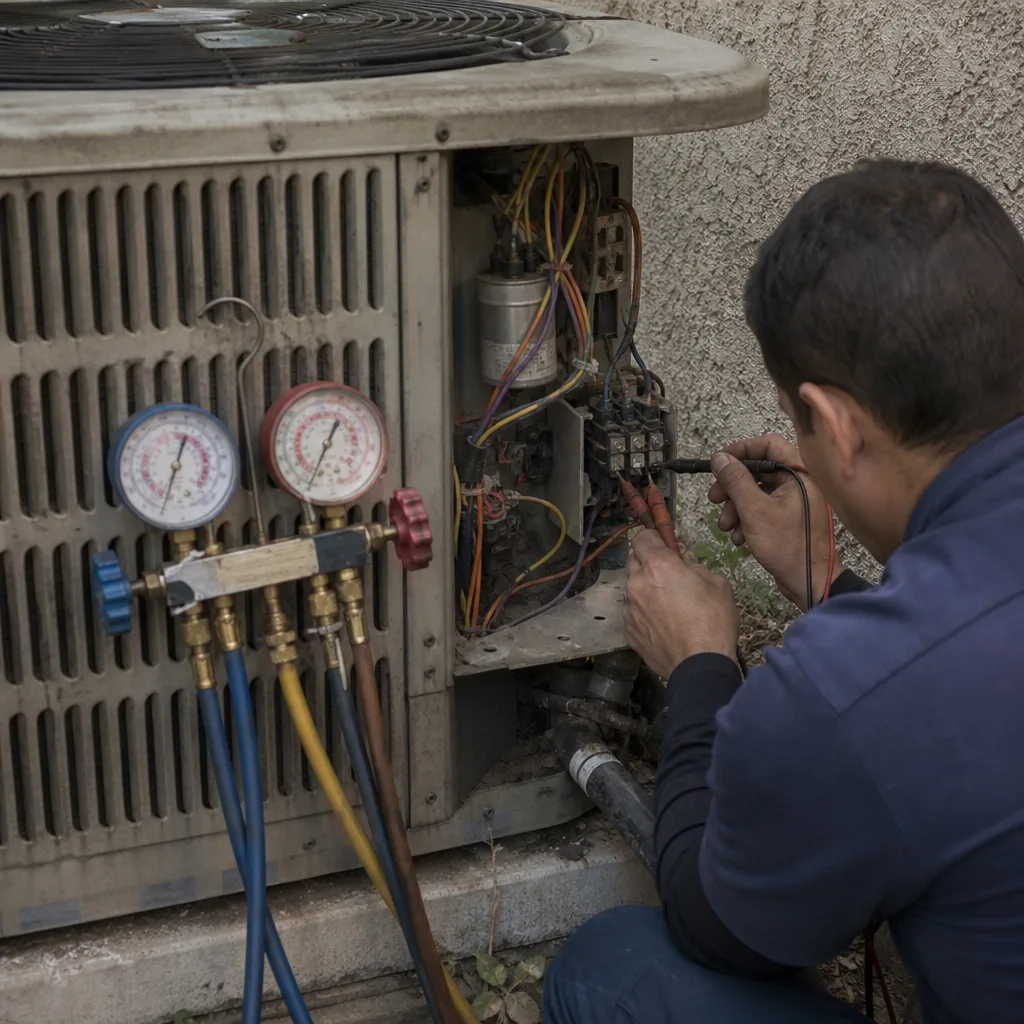 Before
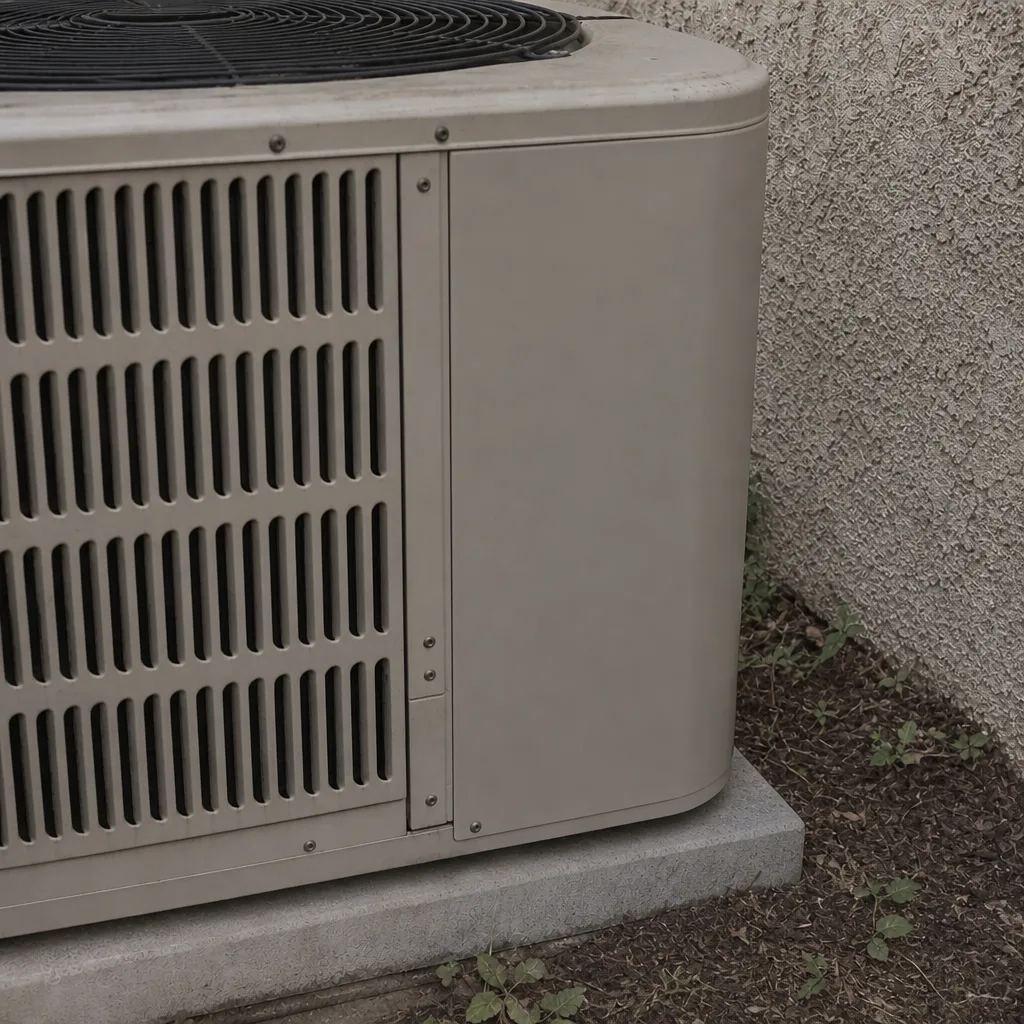 After
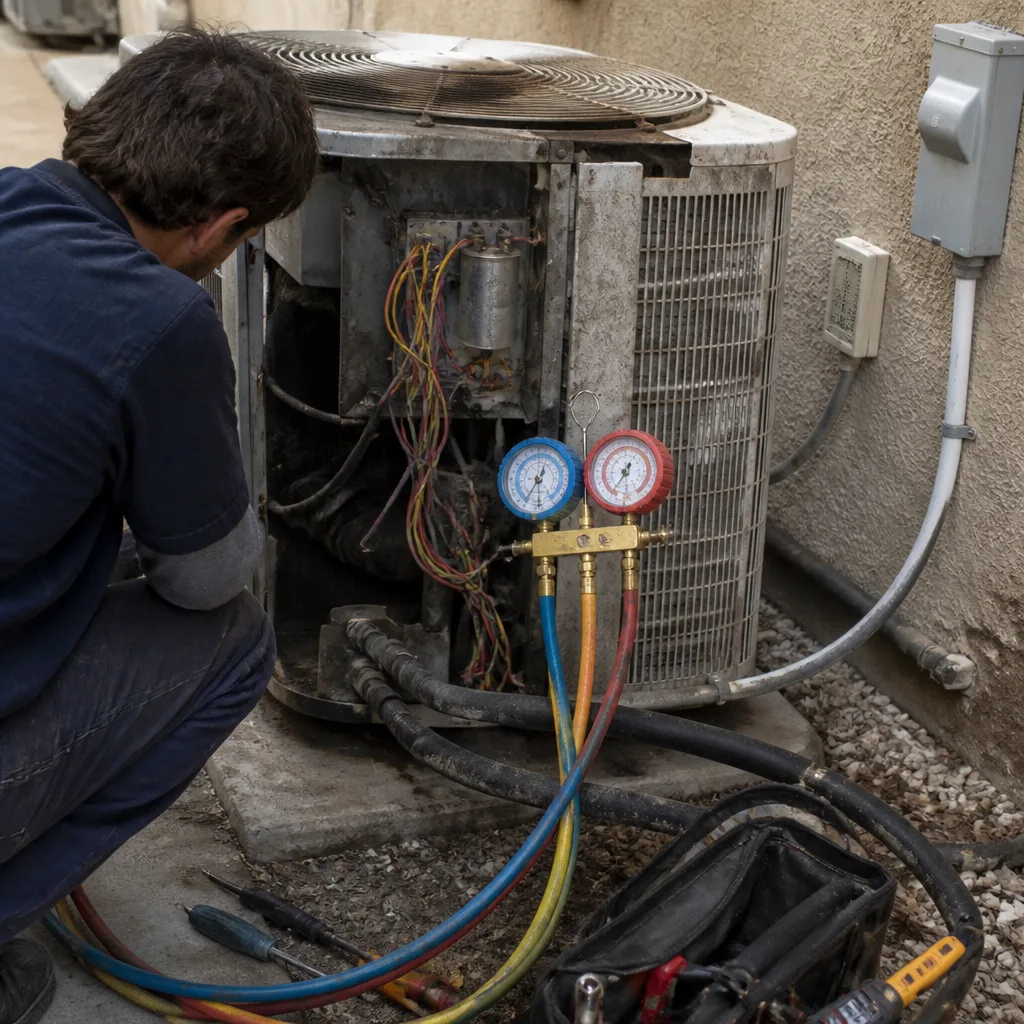 Before
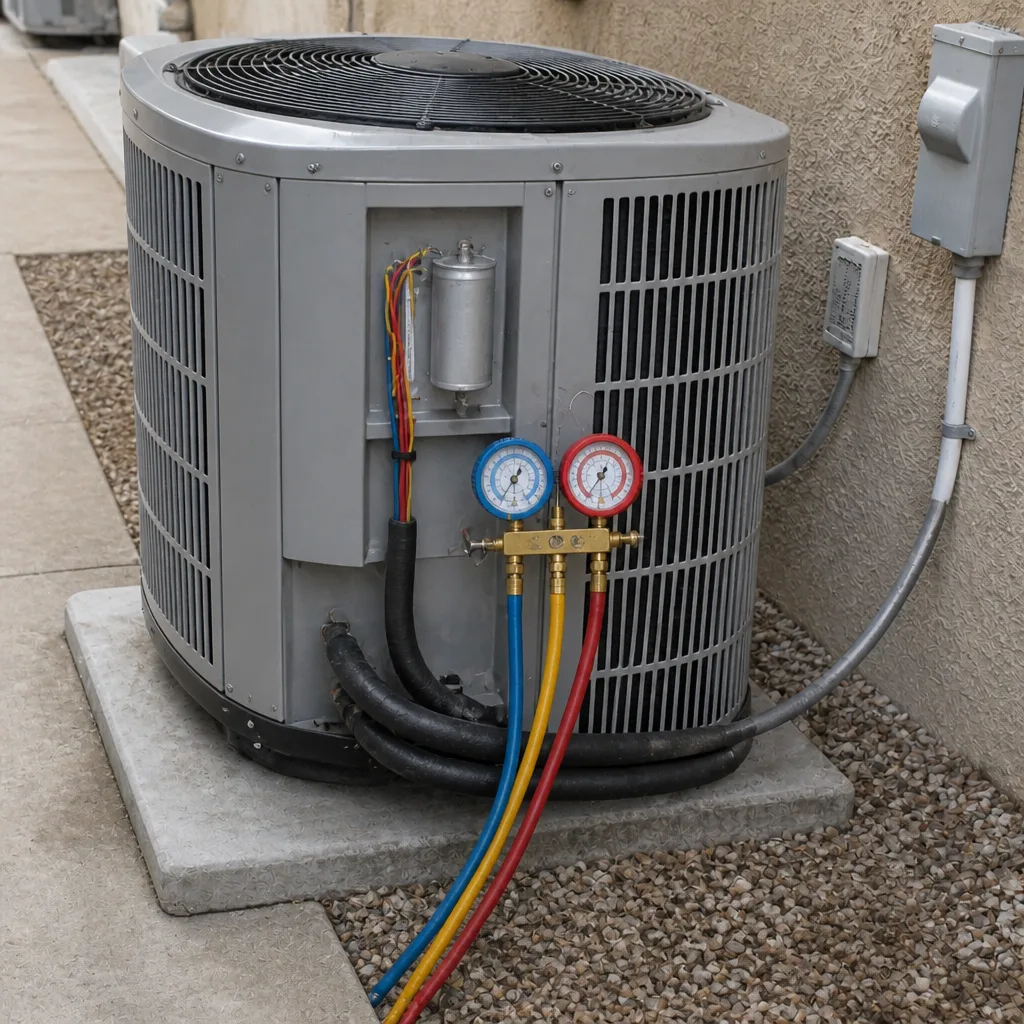 After
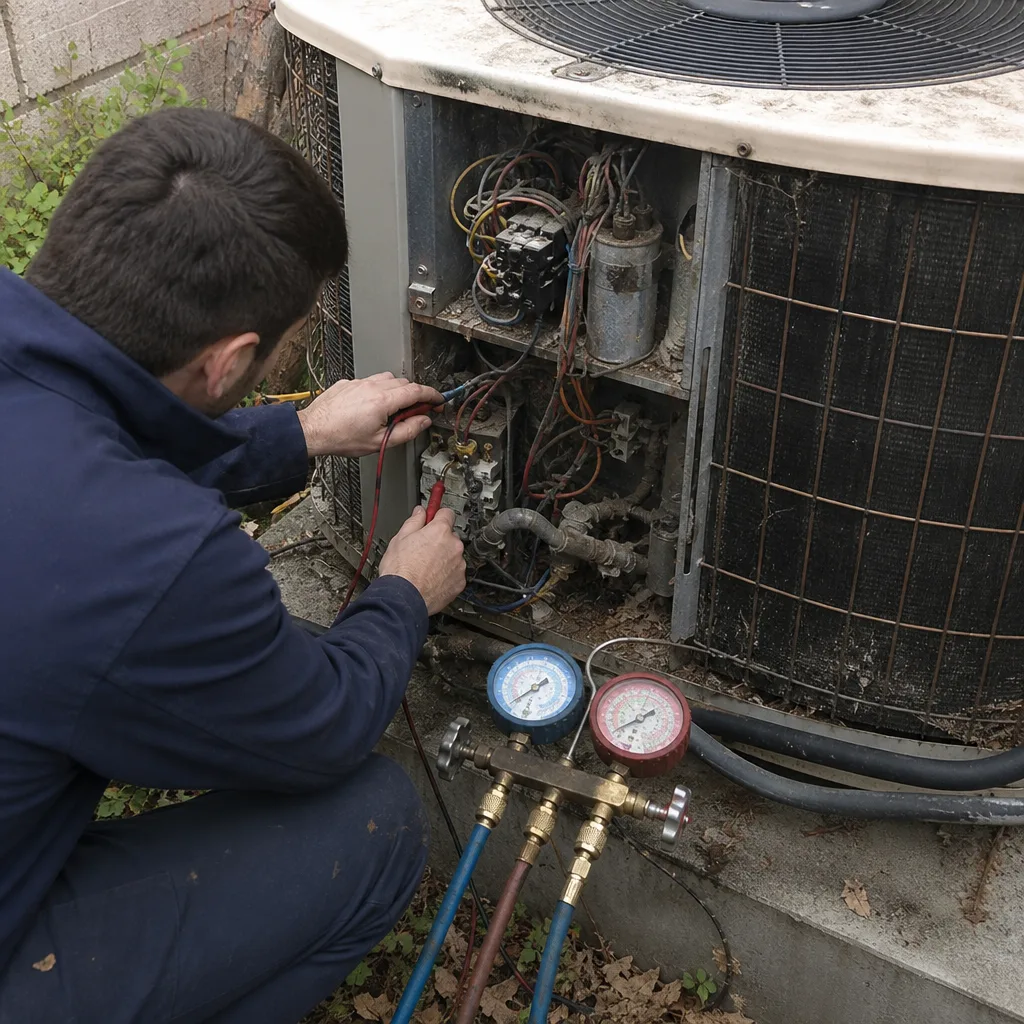 Before
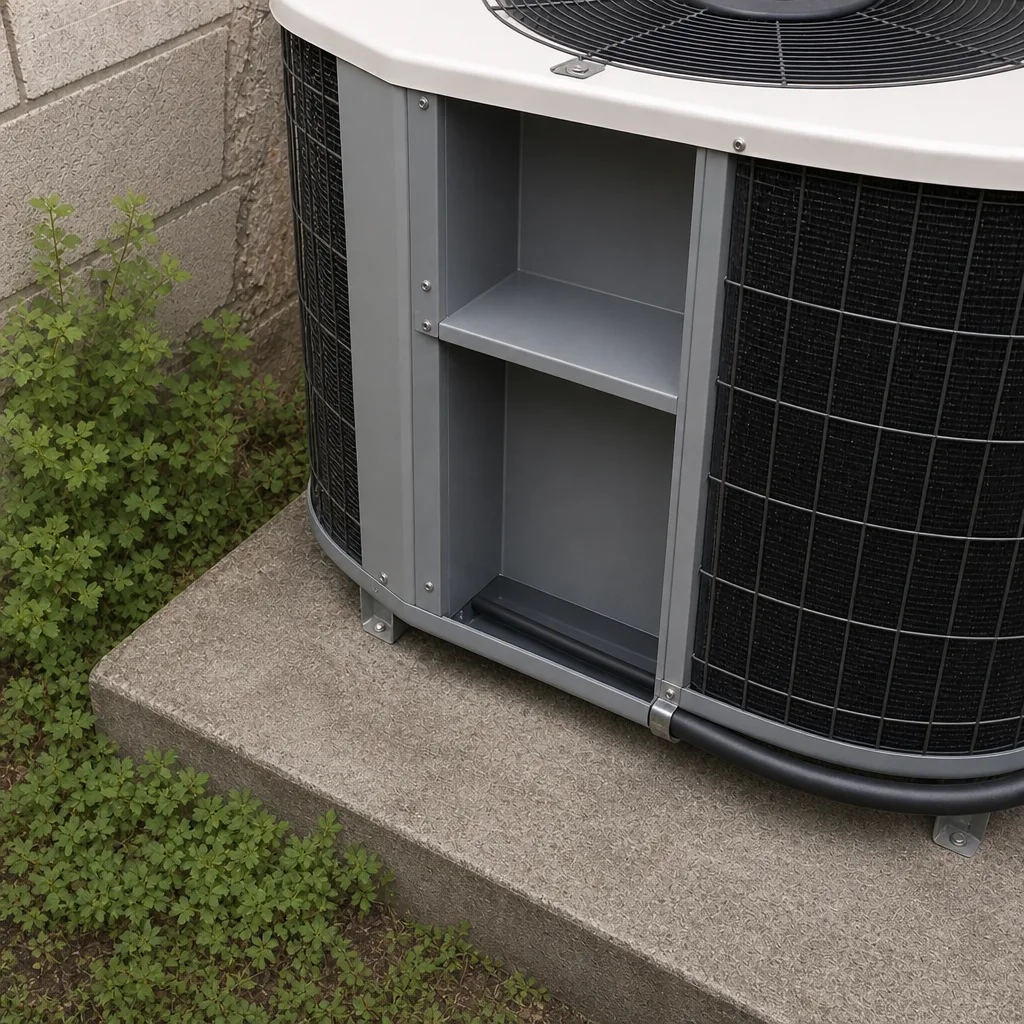 After
When to Call a Professional
Some questions in this guide are yours to answer. The permit search on a home you’re buying, the call to your insurer about covered work, and the conversation with the county on a gray-area job are all things you can handle. But the technical and code questions – whether your proposed replacement meets current Nevada energy code, whether your ducts will pass a leakage test, whether the electrical disconnect on your new condenser is properly sized – are questions for a licensed HVAC technician. Permits and inspections exist because these answers actually matter to safety, efficiency, and long-term value. We also want to be plain about the safety side: gas furnace connections, electrical panel work for a new condenser circuit, and refrigerant handling are not homeowner territory. A trained professional handles those. AC Repair Spring Valley offers free estimates in Spring Valley – call (866) 773-7426.
Frequently Asked Questions
Yes – a residential AC replacement in unincorporated Clark County requires a mechanical permit and a final inspection, including like-for-like equipment swaps. The permit is filed by the contractor before work begins, and the final inspection confirms the install meets code. Call (866) 773-7426 for a free estimate that includes permit and inspection costs, with no surprises later.
Your insurer can deny or reduce the claim if the loss is traced to unpermitted work that violates code. Insurance policies assume the home was built and maintained to code, so an unpermitted gas connection or condenser circuit gives the insurer a defensible reason to deny. The fix in most cases is to have the work corrected and permitted retroactively by a licensed contractor – call (866) 773-7426 to get an assessment and a written estimate.
The contractor who pulled the permit schedules the inspection. If you pulled the permit yourself, the responsibility is yours, which is why it matters to agree in writing before the work starts. Typical turnaround depends on the county’s scheduling queue, and the job isn’t closed until the final inspection passes. Call (866) 773-7426 if you want a contractor who handles permitting and inspection as a matter of course.
Pull the permit history by address through the Clark County building department’s online search. Look for a mechanical permit near the equipment’s manufacture date, check for a final inspection, and match the permit’s listed equipment model to what’s actually installed. Any gap is a red flag worth negotiating before closing. Call (866) 773-7426 for an estimate on correcting unpermitted work before you commit to the purchase.
Nevada adopted the 2021 IECC as its energy code baseline, and the minimum efficiency for residential split systems has climbed with each code cycle. The exact SEER requirement depends on the equipment type and system configuration, so ask your contractor to confirm the model you’re buying meets current Nevada code before signing. If you want a straight answer on what your existing system would be replaced with, call (866) 773-7426 – estimates are free.
Yes – filter changes, coil cleaning, capacitor and contactor replacement, same-model blower motor replacement, refrigerant recharge on an existing sealed system, thermostat swaps, and seasonal tune-ups don’t require a permit. The line is repair versus replacement: if the job changes the equipment, the refrigerant circuit, the electrical supply, or the duct system, it needs a permit. If you’re not sure which side a job falls on, call (866) 773-7426 and we’ll tell you plainly.
The Bottom Line
Permits and inspections are the paper trail that proves your HVAC work was done to code – and that paper trail is what protects your insurance claim and your home’s resale value. In Spring Valley and the rest of Clark County, equipment replacement requires a permit, equipment repair generally doesn’t, and the contractor’s job includes filing it, scheduling the inspection, and passing the final. If a contractor tells you a permit “isn’t necessary,” ask for that in writing and prepare to walk away. Knowing your code requirements, checking permit history before you buy, and asking the five accountability questions before you sign keeps the work – and the cost of correcting unpermitted work – off your shoulders. We work on your brand, we tell you what your system actually needs, and we handle the permit and inspection as part of the job. Call (866) 773-7426 for a free estimate. We answer 24/7. Fast dispatch from 7am to 7pm, Sunday through Friday.
Written by the team at AC Repair Spring Valley.