
Last updated November 16, 2026
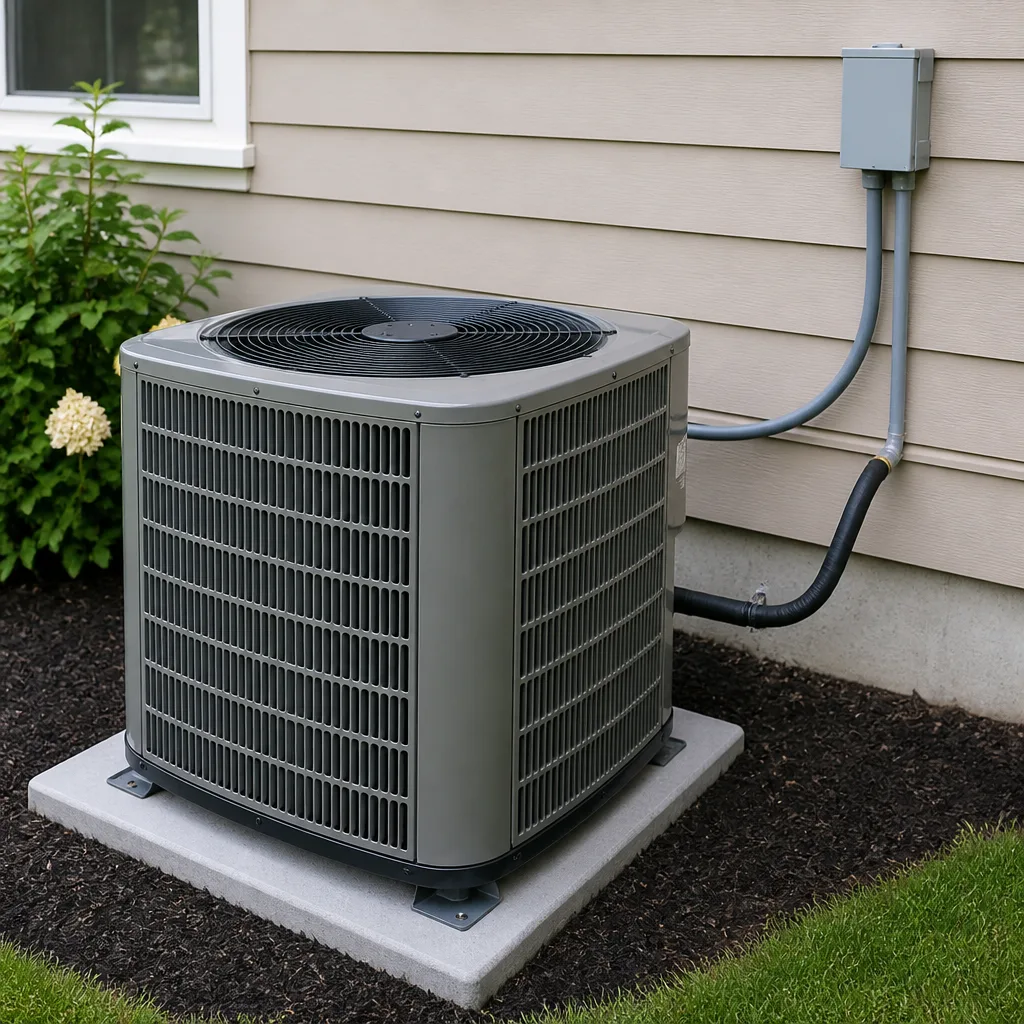 AC repair
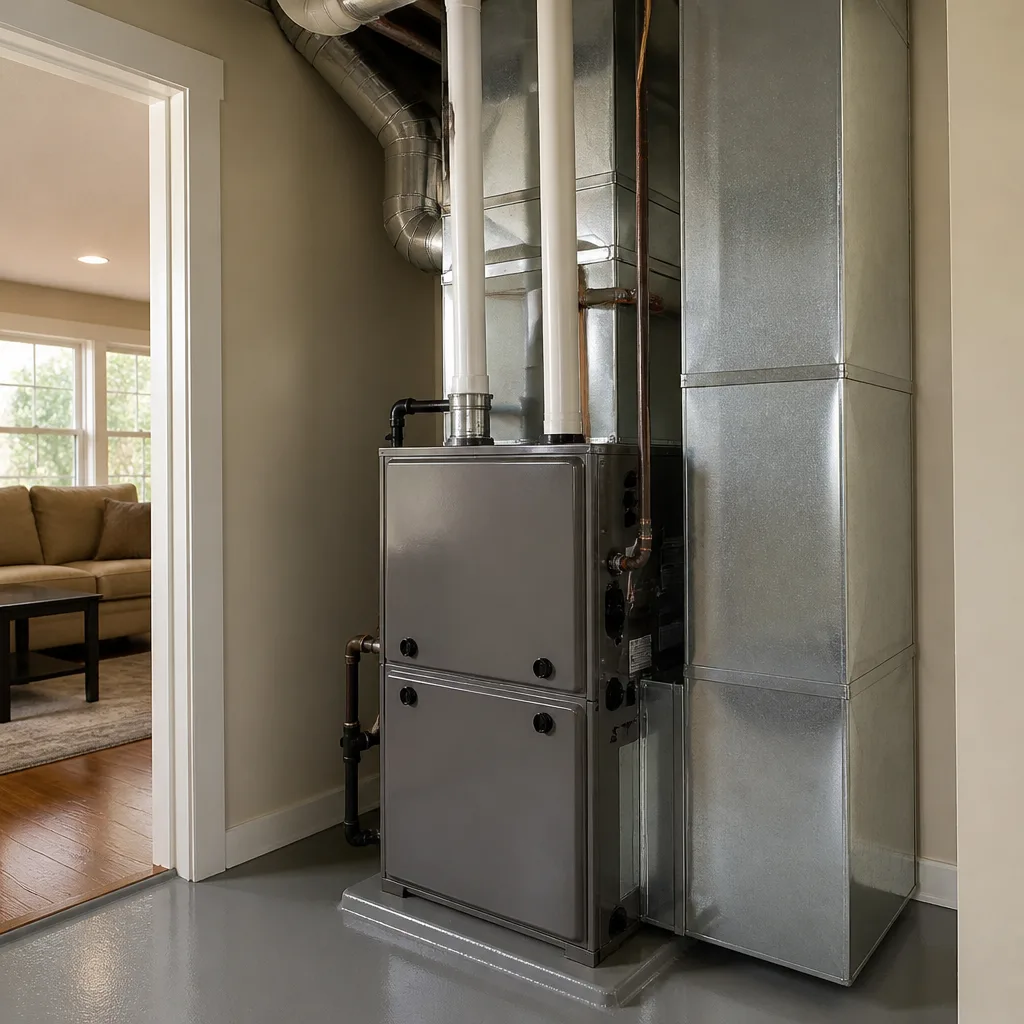 Furnace & heating
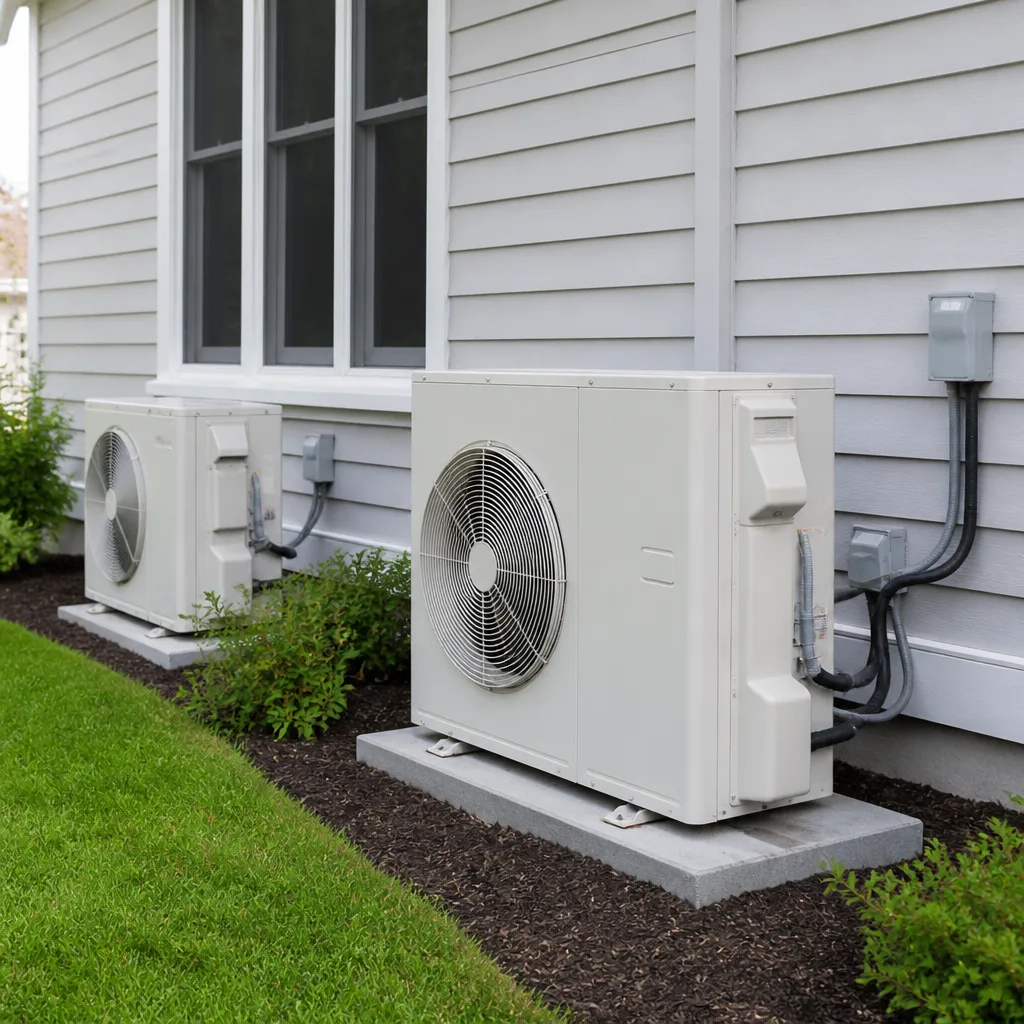 Heat pumps
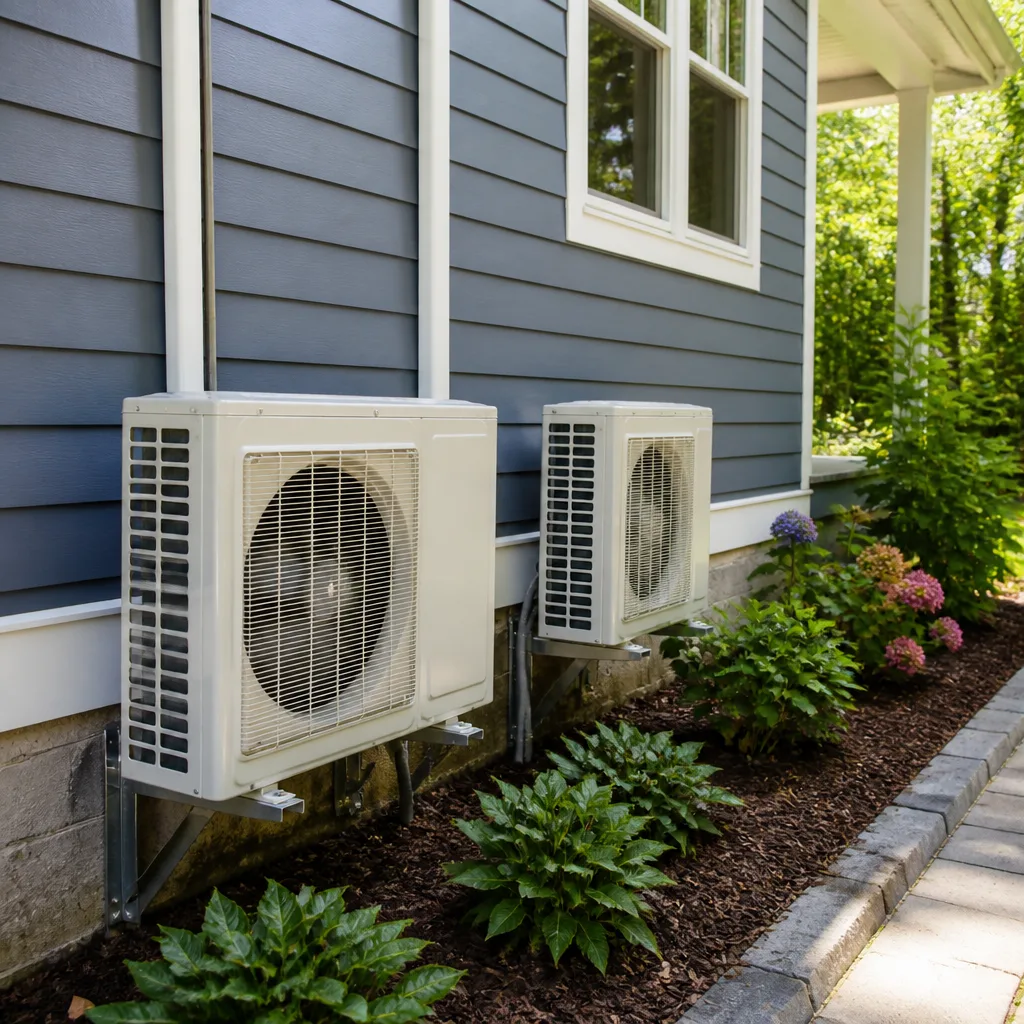 Ductless mini splits
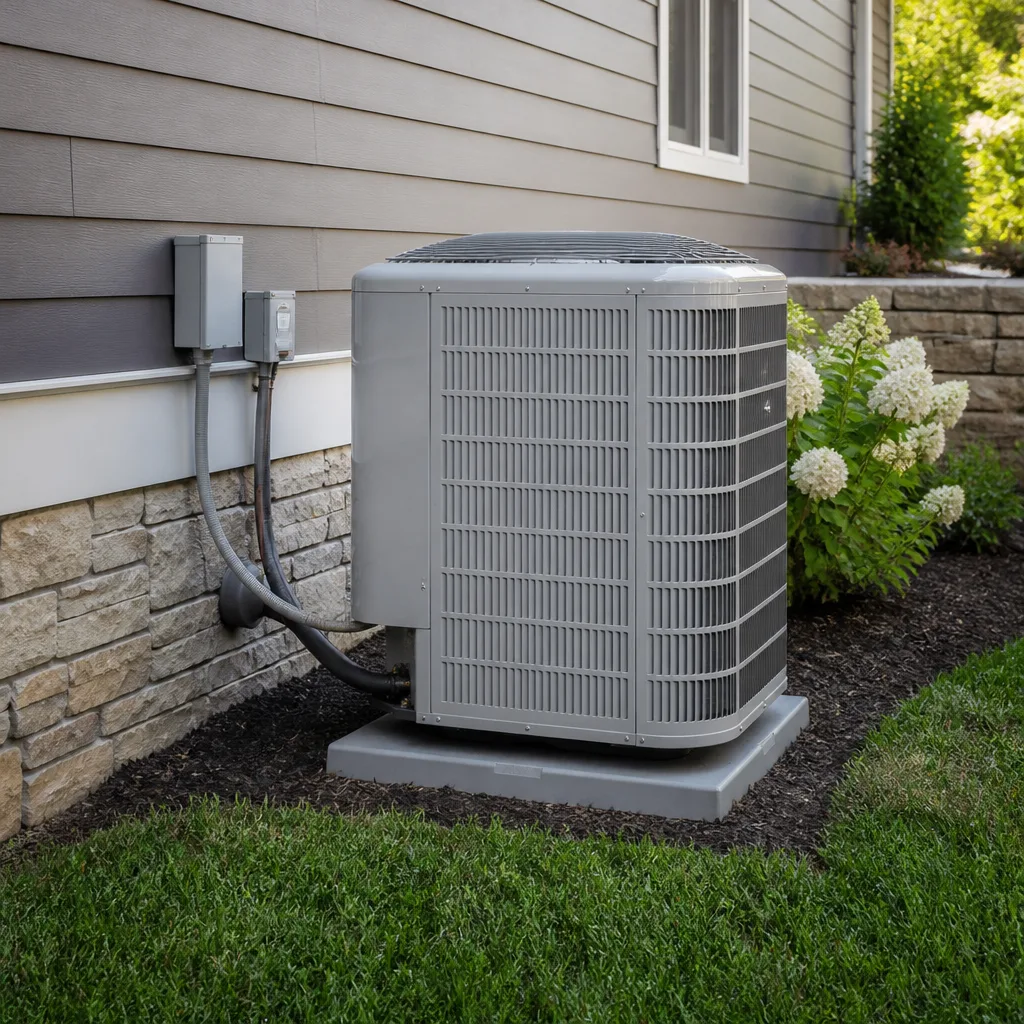 Carrier
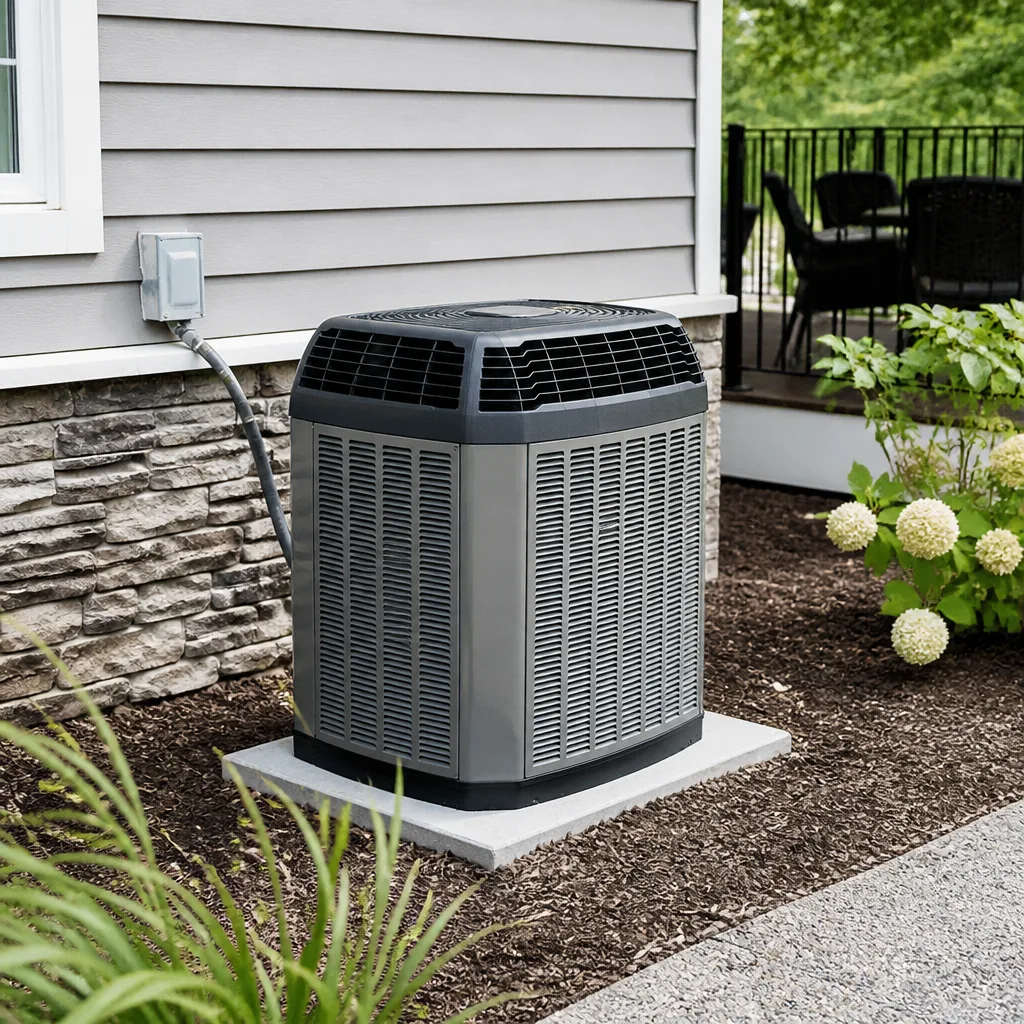 Trane
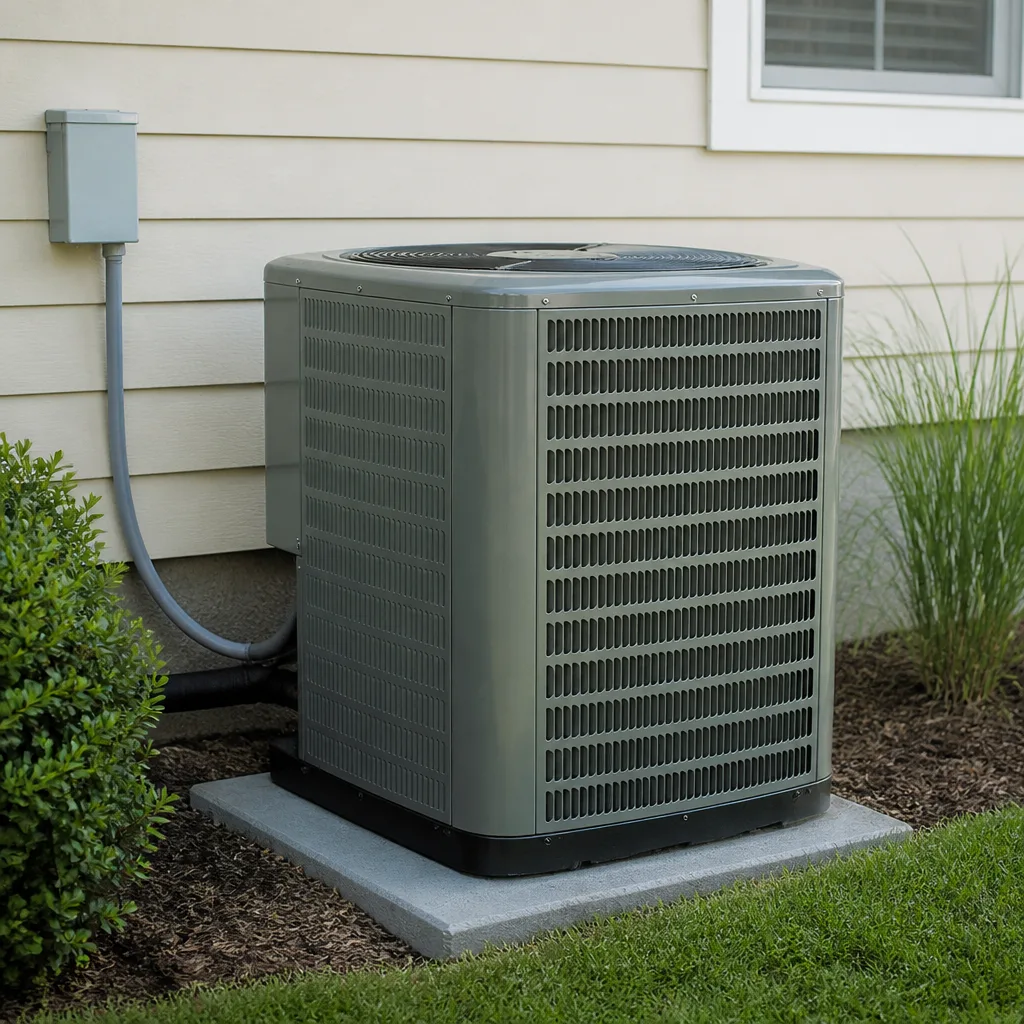 Goodman
Seasonal tune-up and full diagnostic on your Carrier, Trane, or Goodman system - readings shown to you before any repair is proposed
Diagnosis first, numbers second - you approve the repair price before a single part goes in.
Get your free estimateSeasonal HVAC Care for Spring Valley: Year-Round Homeowner’s Guide
Most Spring Valley homeowners call for AC service in late May, right when the first hard heat has already settled in and the appointment calendar has stretched out for weeks. That timing is backwards. The work that keeps a system alive through July gets done in March, and the work that keeps the furnace safe through a cold snap gets done in October, not December. Spring Valley doesn’t have four seasons the way national maintenance guides assume. It has two hard seasons and two short, easy-to-miss transition windows. This guide rebuilds the whole seasonal calendar around what actually happens here, and what you should do in each window.
Quick Answer
In Spring Valley, schedule AC maintenance in March, before the first heat wave, and furnace checks in October, before the first cold nights. Between those two windows, the biggest seasonal threat to your equipment is dust and particulate buildup on filters, coils, and blower motors, not temperature. A homeowner who handles those two appointments and stays on top of filter changes will usually get more life out of a system than one who chases repairs reactively in summer.
Styles & brands we work with
- AC repair
- Furnace & heating
- Heat pumps
- Ductless mini splits
- Carrier
- Trane
- Goodman
Table of Contents
- The Spring Valley HVAC Service Calendar
- What Desert Dust Does to Your System Between Seasons
- Summer Peak-Load Management: Signs Your AC Is Struggling
- Winter Prep for 30-40°F Nights and a Furnace That Sat Idle
- Indoor Air Quality for Desert Living
- Repair or Replace: How to Decide
- Brand Coverage and Why It Matters for Seasonal Care
- Common Mistakes to Avoid
The Spring Valley HVAC Service Calendar
Spring Valley’s climate runs on a two-peak pattern: a long, intense cooling season and a short but genuinely cold heating season, with brief transition windows in between. The national advice to “service your AC in spring and your furnace in fall” is directionally right but mis-timed for this valley. Here’s the calendar that matches the actual weather.
- January-February: Lowest demand window. Best time for a furnace inspection if you skipped fall, and a good time to check ductwork and insulation while nothing is running hard.
- March: AC prep month. This is the single most important window. Coils get cleaned, refrigerant charge gets verified, capacitors and contactors get checked, and the system gets tested under load before the first real heat.
- April-May: Early heat arrives. If you didn’t prep in March, you’re now competing for appointments with everyone else who waited.
- June-September: Peak cooling load. Focus shifts from prep to monitoring: filter changes, thermostat settings, and watching for warning signs.
- October: Furnace check month. Heat exchangers, burners, and ignition components get inspected before the first cold nights.
- November-December: Heating season. Monitor for short cycling, unusual smells, or uneven heat.
The reason March matters more than May comes down to two things: equipment condition and scheduling. An AC that’s been sitting since October has accumulated dust on the condenser coil and may have a weak capacitor that hasn’t been tested under load. Finding that in March gives you time to order parts and schedule work calmly. Finding it in late May, with a heat wave already running, means waiting behind every other homeowner whose system failed at the same moment.
The same logic applies to furnace checks. October is when you want to know your heat exchanger is sound and your burners are clean, not the first cold night when the system won’t hold temperature. For detailed scheduling of furnace work, see our furnace repair page, which covers what a proper inspection includes.
What Desert Dust Does to Your System Between Seasons
The Las Vegas Valley sits in a basin, and particulate matter from wind-blown dust, construction, and traffic settles constantly. Indoor HVAC equipment in Spring Valley filters a surprising volume of that particulate, and the results show up in three places: filters, evaporator coils, and blower motors. Understanding the mechanism helps you prioritize maintenance dollars.
Filters load up faster here than in most climates. A filter that a homeowner in a wetter climate changes every three months may need changing every four to six weeks during peak cooling season in Spring Valley, especially during windy spring months or when nearby construction is active. A loaded filter chokes airflow, which drives up compressor run time and strains the whole system.
Evaporator coils sit inside the air handler and, over time, collect a layer of fine dust that insulates them. An insulated coil can’t transfer heat efficiently, so the system runs longer to reach the thermostat setpoint. Coil cleaning is one of the highest-value seasonal tasks for a Spring Valley system and one of the most frequently skipped.
Blower motors pull air through the system and pick up dust on their blades and bearings. A dirty blower wheel is unbalanced, which means extra vibration, extra bearing wear, and reduced airflow. This is why we treat blower inspection as part of a proper AC prep visit in this climate.
What offsets all of this, in order of impact:
- Change filters on a desert schedule, not a national-average schedule.
- Have the evaporator coil cleaned at least once a year, ideally in the March prep window.
- Have the blower wheel inspected and cleaned as needed, usually every couple of years depending on filter habits.
- Keep the outdoor condenser coil clear of debris and rinse it down during the cooling season.
Summer Peak-Load Management: Signs Your AC Is Struggling
During June through September, Spring Valley AC systems run near-continuously. That’s normal in this climate, but it means small problems compound fast. The goal of summer management isn’t to avoid running the system hard; it’s to catch a struggling system before it fails entirely on the hottest day of the year.
Thermostat scheduling. Setback schedules work in this climate, but with a caveat: a very aggressive setback (say, 85°F during the day) means the system has to work extremely hard to recover when you return, often running for hours and never reaching setpoint in peak heat. A moderate setback, with a recovery window that starts a couple of hours before you get home, keeps things efficient without straining the equipment.
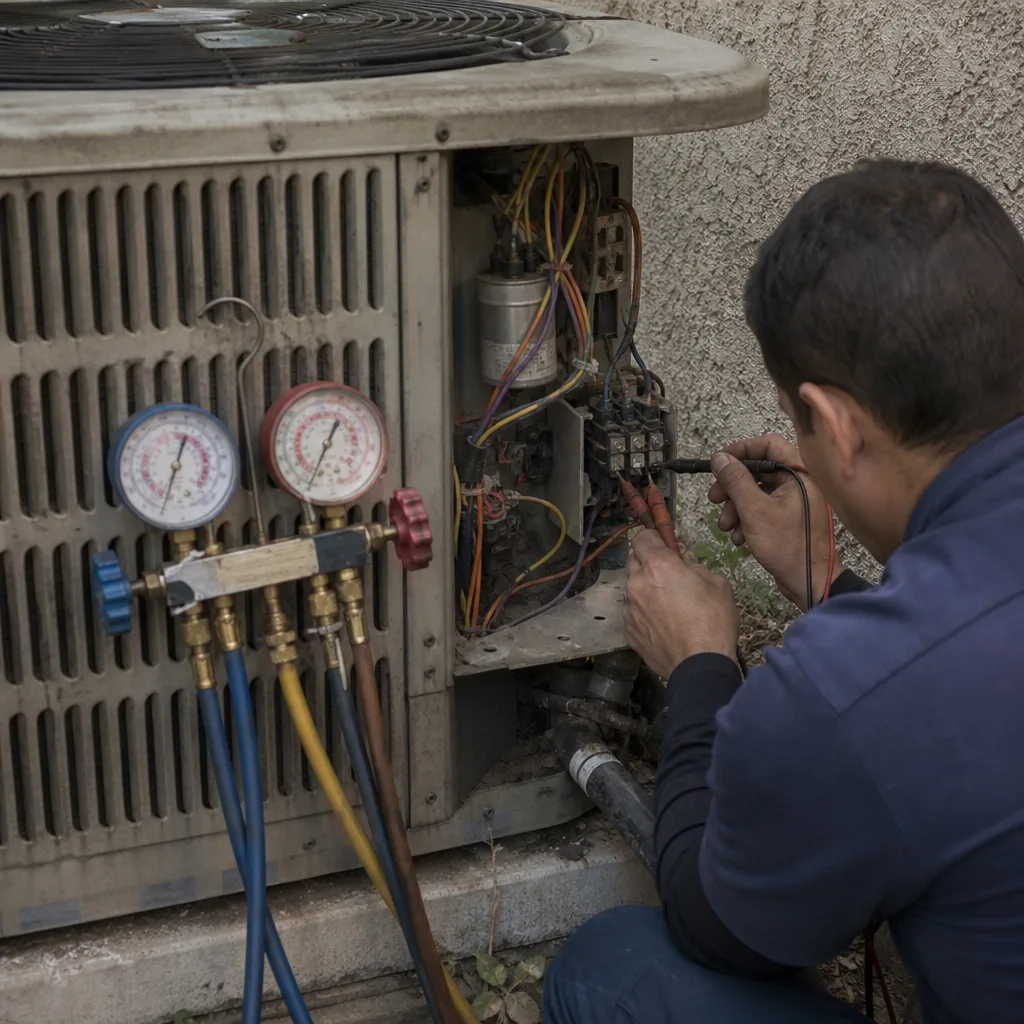
Refrigerant monitoring indicators. You can’t check charge yourself, but you can watch for signs that charge is off. Weak cooling relative to outdoor temperature, ice forming on the indoor coil or the outdoor lineset, and a system that runs constantly without reaching setpoint are all indicators worth a diagnostic call. Refrigerant work is not a homeowner task; handling refrigerant requires proper training, tools, and licensing, and a system that’s low on charge also has a leak that needs finding.
Signs a system is struggling before failure:
- Cooling that’s noticeably weaker than last summer at the same outdoor temperature.
- Strange noises: clicking at startup, grinding, or a loud hum from the condenser.
- Short cycling, where the system turns on and off every few minutes instead of running in steady cycles.
- High indoor humidity, which can indicate the system isn’t removing moisture the way it should.
- Unusual smells when the system starts, especially a musty or electrical odor.
If you notice any of these in Spring Valley mid-summer, getting a diagnostic visit scheduled sooner rather than later usually means a repair instead of a full failure. Our AC repair page covers what a diagnostic appointment includes and how we approach the repair-versus-replace question.
Winter Prep for 30-40°F Nights and a Furnace That Sat Idle
Spring Valley winters are mild by national standards, which is exactly why furnaces get neglected here. A furnace that sits unused from March through October can develop real problems in that idle stretch: dust accumulates on burners, pilot assemblies and igniters can fail, and a heat exchanger that was fine in spring can develop cracks over the summer. The moderate winter nights (30s and 40s) mask these issues until the first genuinely cold evening.
A proper October furnace check covers:
- Heat exchanger inspection. This is the safety-critical item. A cracked heat exchanger can allow combustion gases, including carbon monoxide, into the living space. We always recommend having this inspected by a trained technician, since visual inspection of a heat exchanger requires the right tools and knowledge to be meaningful.
- Burner and ignition check. Burners get cleaned and checked for proper flame pattern; igniters and flame sensors are tested.
- Blower and airflow check. The same dust that loads AC equipment builds up in the furnace blower over the summer.
- Venting and flue inspection. Blocked or deteriorated venting is a safety concern, not just a performance one.
- Thermostat and controls test. The heat cycle gets run and verified before the season starts.
If your furnace is older or you’ve had repeated repairs, this is the time of year to think about replacement. Full furnace replacement is a bigger decision than a repair, and October is a much better month to make it than the night before a cold snap. The Spring Valley climate doesn’t demand the heating capacity of a colder region, but it does demand a furnace that’s actually safe to run.
Indoor Air Quality for Desert Living
Desert indoor air quality is different from what national guides describe. The main issues in Spring Valley are low indoor humidity during heating season, high particulate load year-round, and the interplay between filtration and system airflow. Getting this right is a balance, not a single product purchase.
Humidity. The valley’s naturally dry air means indoor humidity can drop quite low, especially in winter when the furnace is running. Low humidity shows up as dry skin, static shocks, and cracks in wood furniture and trim. A whole-home humidifier can help, but it needs to be sized correctly for the home and properly integrated with the HVAC system. Standalone room humidifiers are a workaround but rarely keep up with a whole house.
Filtration ratings. Filter MERV ratings matter, but so does the system’s ability to handle the airflow restriction. A high-MERV filter on a system not designed for it will starve the blower and hurt performance. Standard residential systems generally do best with a filter in the MERV 8 to MERV 11 range. If you need higher filtration for allergy or health reasons, that’s a conversation to have with a technician who can look at your specific system’s static pressure and ductwork.
When to add supplemental equipment. Consider it when:
- Dust accumulation inside the home is heavy despite regular filter changes.
- Winter humidity is consistently low enough to cause noticeable discomfort.
- Someone in the home has respiratory sensitivities that warrant more filtration.
- The existing system’s filtration is limited by airflow constraints.
Ultimately, the seasonal care calendar and indoor air quality overlap: a system that’s properly maintained moves air correctly, which is the foundation of good indoor air quality in a desert home.
Repair or Replace: How to Decide
This is the decision most Spring Valley homeowners face eventually, and the honest answer depends on the system, not on a sales pitch. There’s no single age threshold that says “replace it,” but there are patterns worth knowing.
Lean toward repair when:
- The system is relatively young and the repair is a single component (capacitor, contactor, blower motor).
- The repair cost is small relative to the cost of replacement, and the system has been reliable.
- The problem is a known, fixable issue, not a pattern of failures.
Lean toward replacement when:
- You’re facing a major repair (compressor, heat exchanger) on an aging system.
- You’ve had multiple repairs in a short window.
- The system uses an older refrigerant that’s being phased out and is expensive to service.
- Efficiency losses have driven energy costs up enough that replacement pays back over a reasonable window.
For cooling replacement, our AC installation page walks through what a proper installation includes. Replacement is a load-calculated, scheduled project: correct sizing, proper line set, and a thermostat that matches the new equipment. It’s not a same-day repair job, and anyone who frames it that way isn’t doing the work properly.
We work on your brand regardless of what you own, and we’ll tell you what it actually needs, so the recommendation reflects the equipment rather than what happens to be easiest to sell.
Brand Coverage and Why It Matters for Seasonal Care
Seasonal maintenance isn’t generic. Specific components fail differently from brand to brand, and replacement parts availability varies. Having technicians who work on your system’s brand means a diagnostic is faster and a part is more likely to be on hand or sourced correctly the first time.
We’re certified to work on nine major HVAC brands: Carrier, Trane, Lennox, Goodman, Rheem, York, Daikin, Bryant, and American Standard. That covers the vast majority of residential systems in service in Spring Valley today. If you own a Trane or Lennox system, we can service it. If you own a Goodman or Rheem, we can service it too. The value of brand fluency isn’t a marketing claim; it’s that seasonal care recommendations, like a coil cleaning approach or a blower inspection, get tailored to the equipment instead of handled generically.
Our technicians have up to experience across the brands above. Whether your system is on the budget end (Goodman) or premium (Trane, Lennox), the diagnostic process starts with what the equipment actually needs.
Common Mistakes to Avoid
- Waiting until May to schedule AC service. The first heat wave in Spring Valley fills the schedule fast. March is the right month for AC prep, not late spring.
- Treating filters as a set-and-forget item. Desert dust loads filters faster than the national average. Check them monthly during peak cooling season and change them on a desert schedule, not a generic one.
- Skipping the furnace check because “it’s warm here.” A furnace that sits idle from March to October can develop real problems. The October check is the one that catches a heat exchanger issue before winter.
- Using a very aggressive thermostat setback. A big setback that takes hours to recover from strains the system more than it saves. Use a moderate setback with an early recovery window.
- Buying the highest-MERV filter you can find. Too much restriction hurts airflow. Match filter rating to what your system is designed for.
- Ignoring weak cooling in summer. “It’s just the heat” is often the warning sign of a failing capacitor, low refrigerant charge, or dirty coil. Get it checked before it fails entirely.
- Letting a contractor talk you into replacement without diagnostics. Repair or replace is a decision that should follow a proper diagnostic, not precede it.
See the difference
 Before
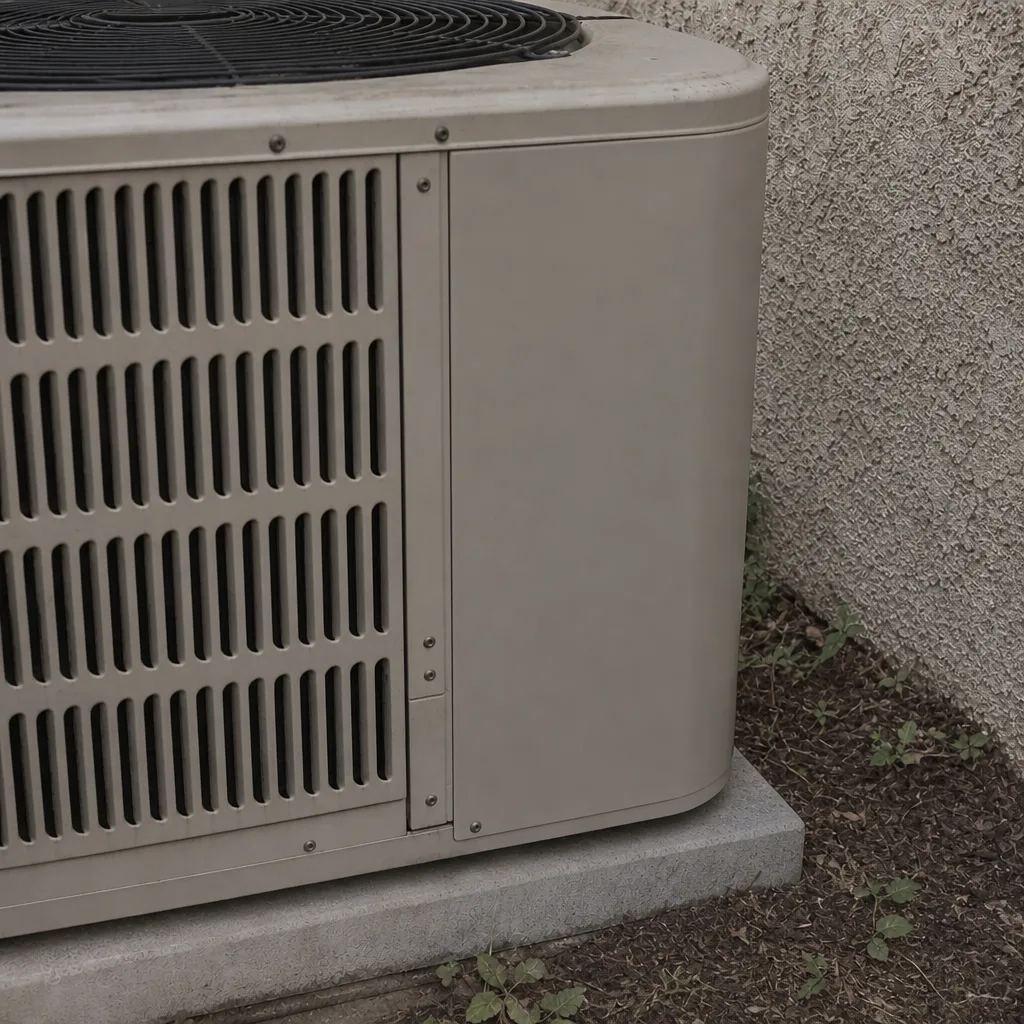 After
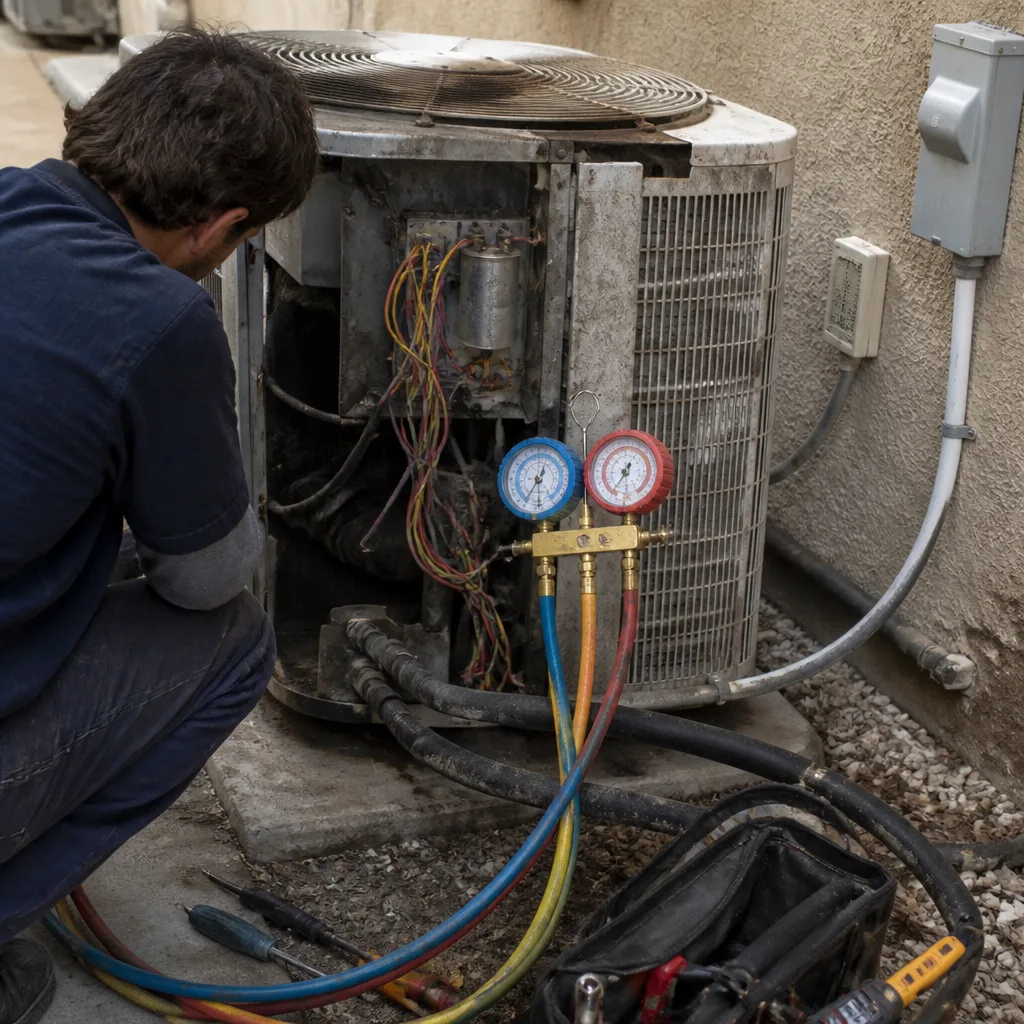 Before
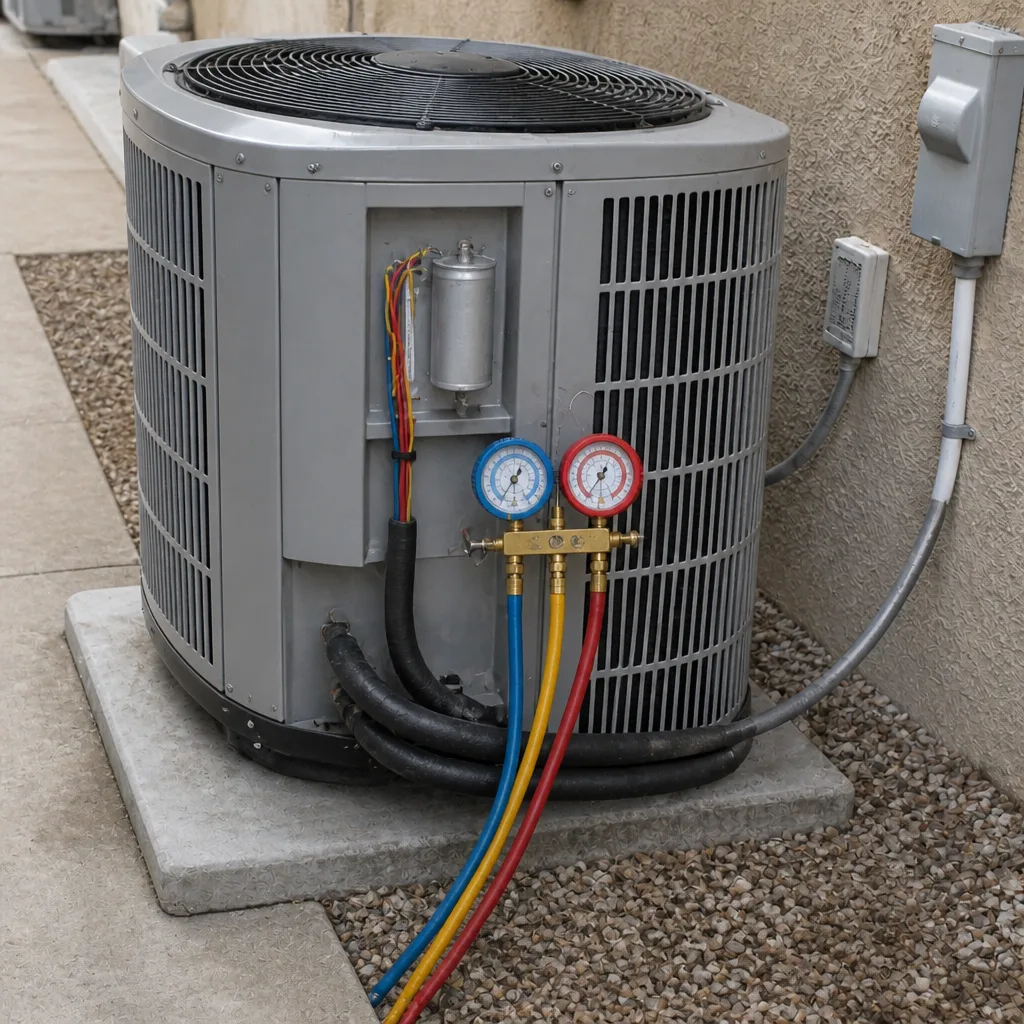 After
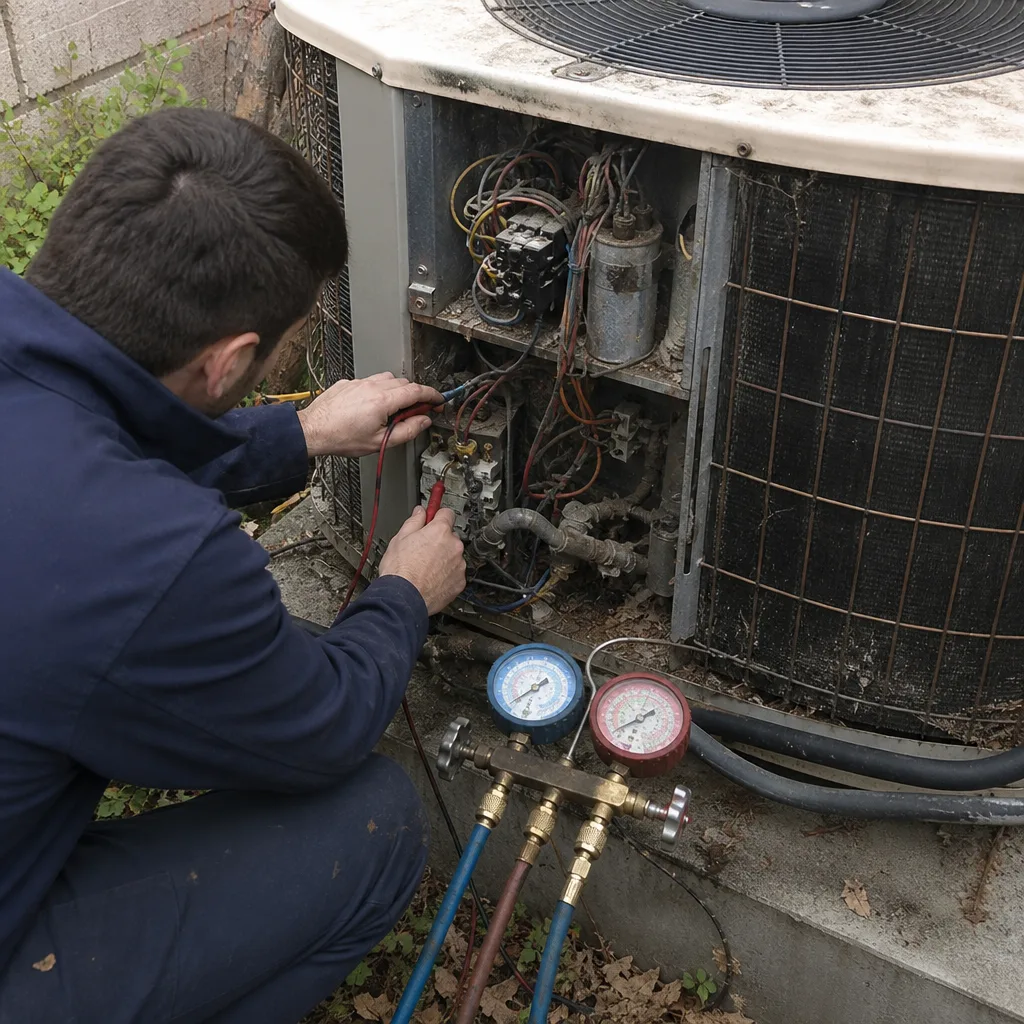 Before
 After
When to Call a Professional
Some tasks belong on your own calendar: filter changes, thermostat settings, and keeping the area around the outdoor unit clear. Others need a trained technician: refrigerant work, electrical components, heat exchanger inspection, and any diagnostic that involves opening the equipment up. Call a professional when you notice weak cooling, strange noises, unusual smells, a system that runs without reaching setpoint, or a furnace that hasn’t been inspected in over a year. A cracked heat exchanger or a refrigerant leak is not a DIY problem, and both are worth catching before they become safety or cost issues. AC Repair Spring Valley offers free estimates in Spring Valley, and the written estimate sets the final price: call (866) 773-7426. We answer 24/7, with fast dispatch from 7am to 7pm, Sunday through Friday.
Frequently Asked Questions
March is the best month for AC maintenance in Spring Valley. Scheduling in March gets you ahead of the first heat wave and lets any needed parts or repairs get handled calmly, before the appointment calendar fills up in May and June.
Check your filter monthly during peak cooling season and replace it every four to six weeks if it’s visibly loaded, especially during windy spring months or when construction is nearby. Desert dust loads filters faster than the national average, so a three-month schedule is often too infrequent here. If you’re unsure, ask a technician to look at your filter and airflow during a seasonal visit; call (866) 773-7426 for a free estimate.
Yes. A furnace that sits idle from March to October can develop dust buildup on burners, fail ignition components, or, more seriously, develop a heat exchanger crack over the summer. An October inspection catches those issues before the first cold nights. Call (866) 773-7426 to schedule a furnace inspection.
Weak cooling relative to the outdoor temperature, a system that runs constantly without reaching setpoint, and ice forming on the indoor coil or outdoor lineset are the common indicators. Refrigerant work needs a licensed technician, and low charge usually means a leak that should be found, not just topped off. Call (866) 773-7426 for a diagnostic.
The decision depends on the system’s age, repair history, and the cost of the specific repair. A single component failure on a younger system is usually a repair; a major failure on an aging system, or a pattern of recent repairs, points toward replacement. A proper diagnostic should come first. Call (866) 773-7426 for a free estimate and an honest assessment.
Most residential systems in Spring Valley do best with a MERV 8 to MERV 11 filter. Higher ratings can restrict airflow if the system isn’t designed for them. If you need higher filtration for health reasons, have a technician check your system’s static pressure and ductwork first. Call (866) 773-7426 with questions.
The Bottom Line
Spring Valley’s seasons don’t match the national HVAC calendar. AC prep belongs in March, furnace checks belong in October, and the biggest year-round threat to your equipment is desert dust, not temperature. Stay on top of filters, get the coil and blower inspected seasonally, and treat the two transition windows as the most important appointments on your list. Repair or replace is a decision that should follow a proper diagnostic, not precede it. And when something feels off mid-season, get it looked at early. Call (866) 773-7426 for a free estimate. We answer 24/7, with fast dispatch from 7am to 7pm, Sunday through Friday. We work on your brand, diagnose it correctly the first time, and tell you what it actually needs.
Written by the team at AC Repair Spring Valley.