
Last updated November 16, 2026
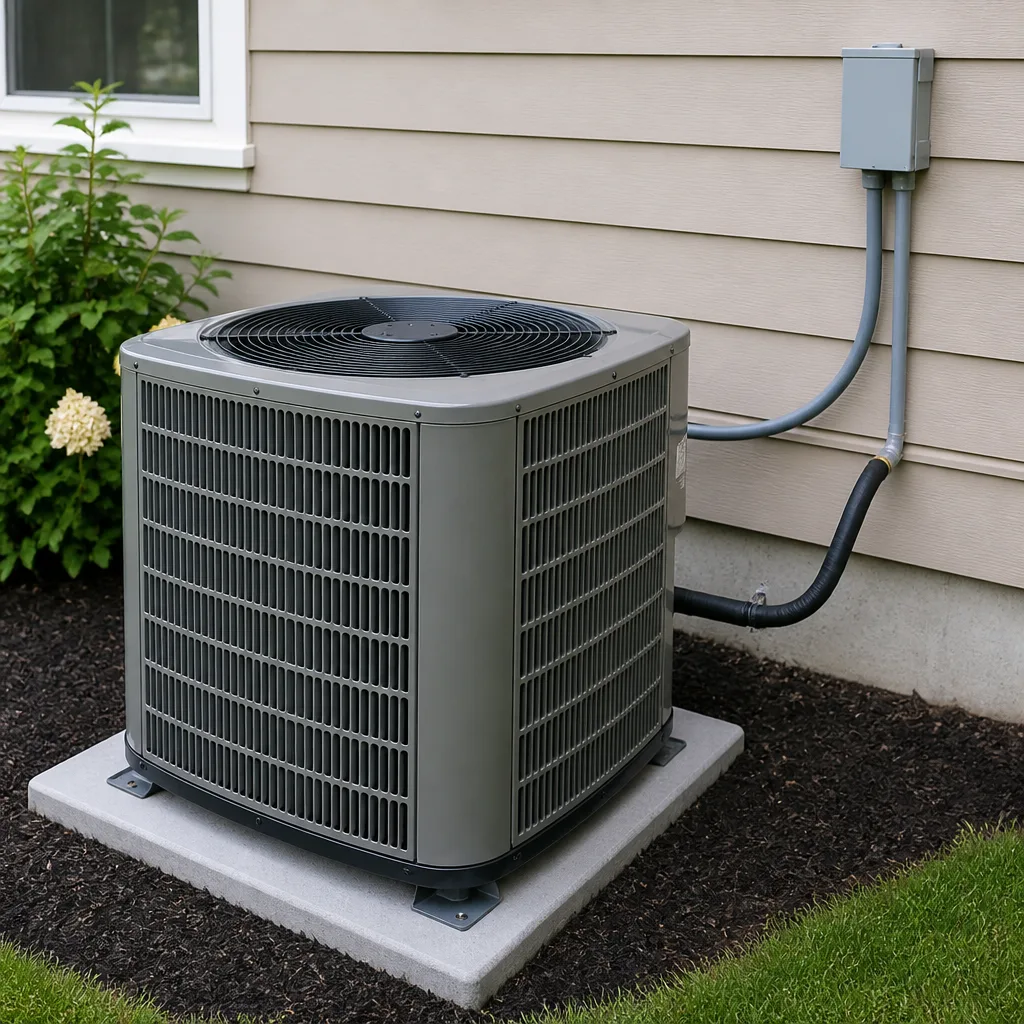 AC repair
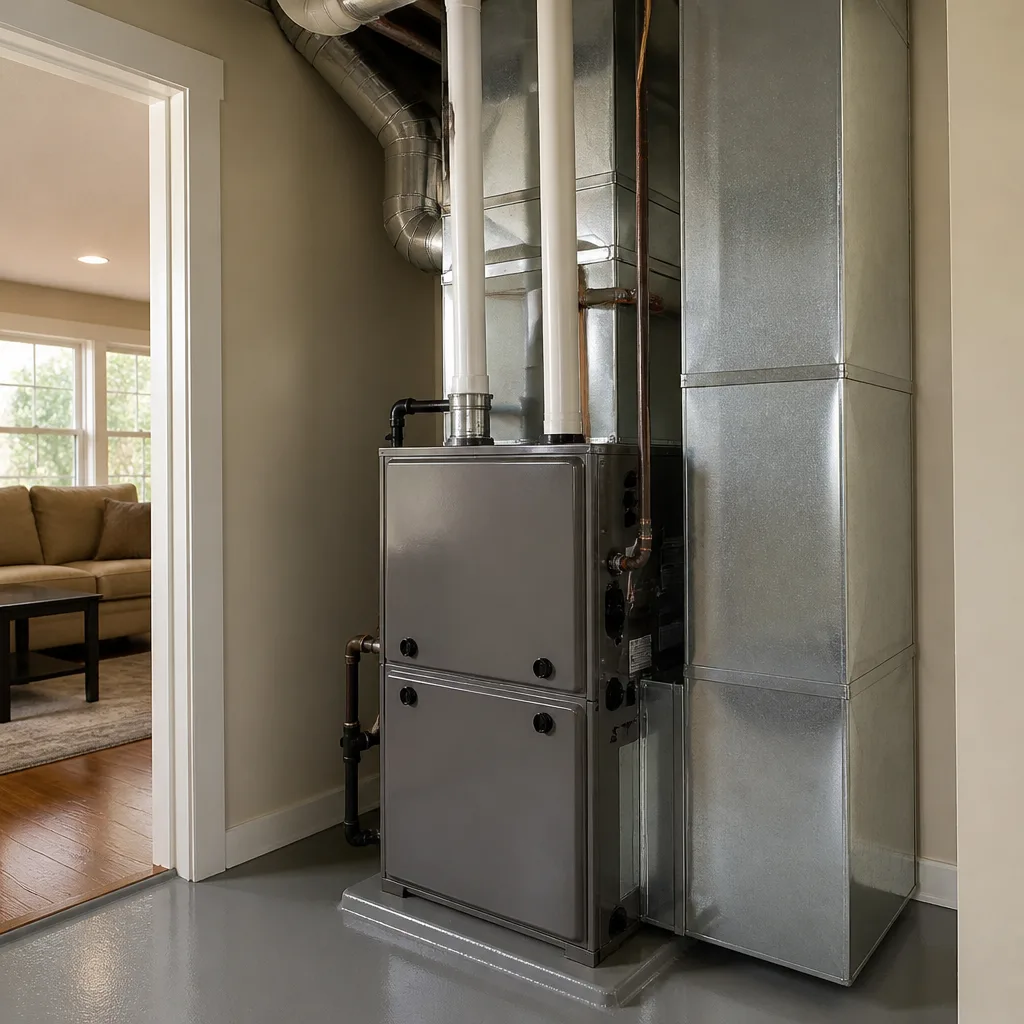 Furnace & heating
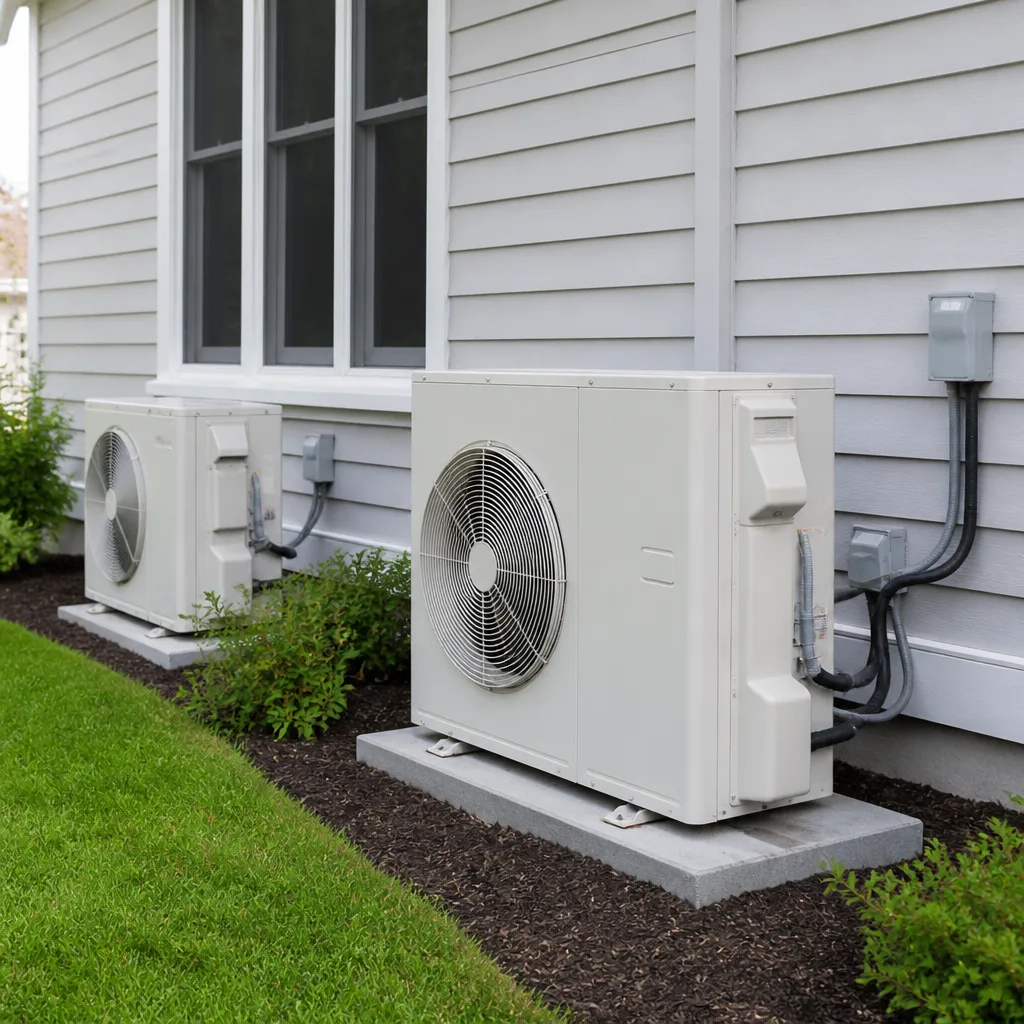 Heat pumps
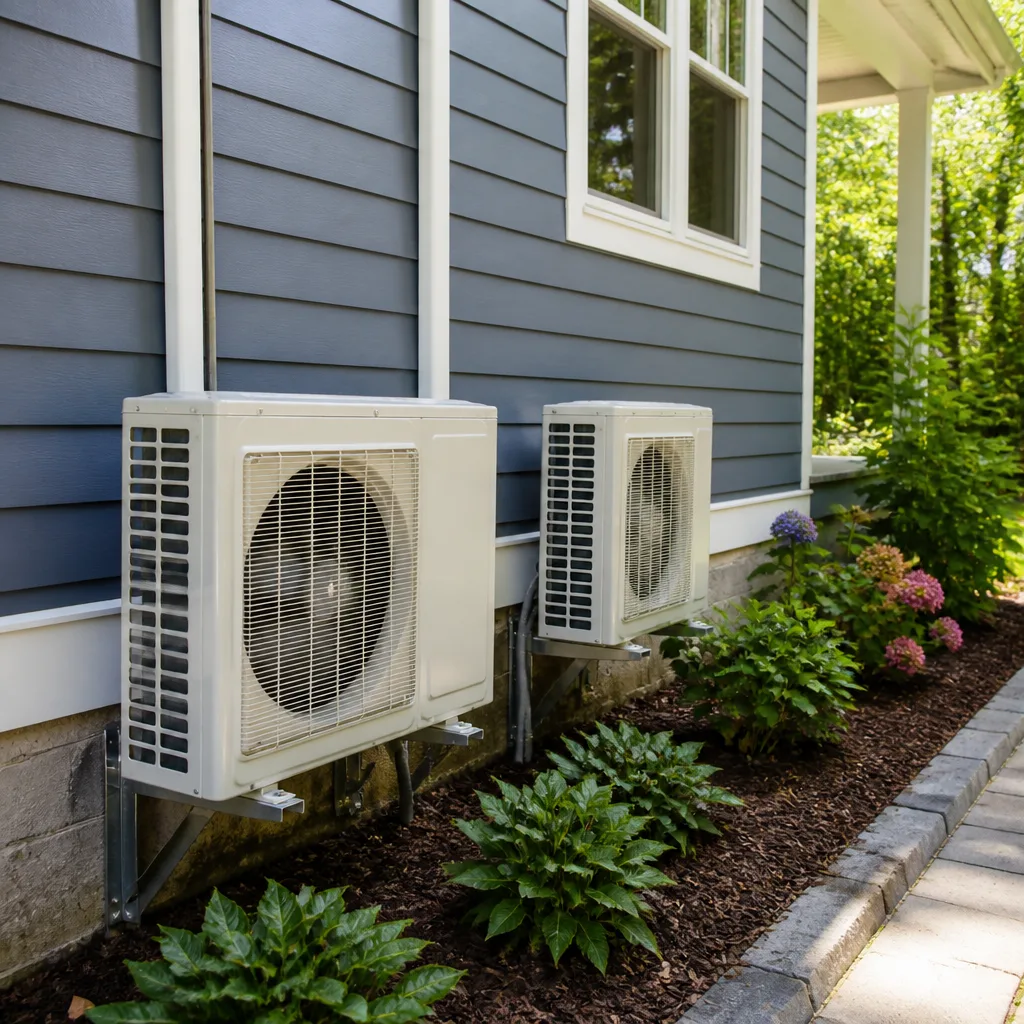 Ductless mini splits
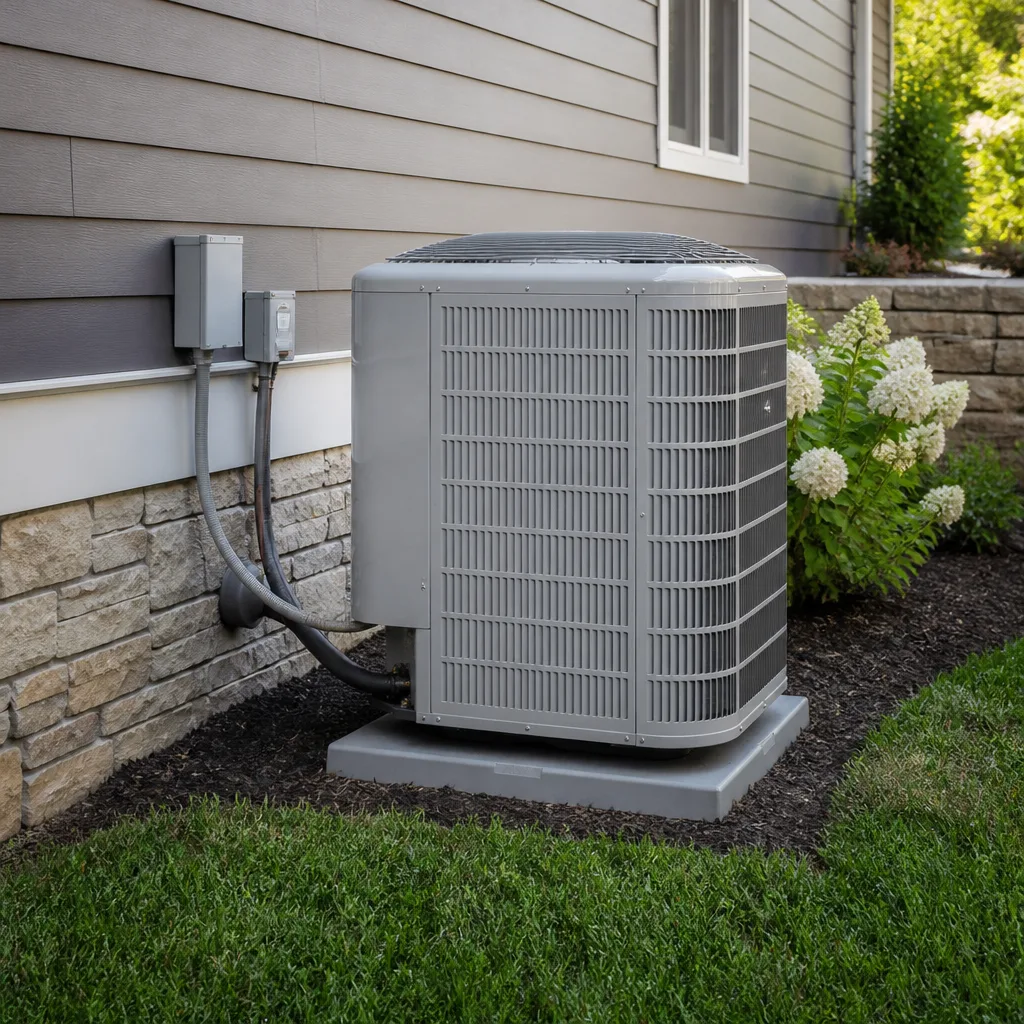 Carrier
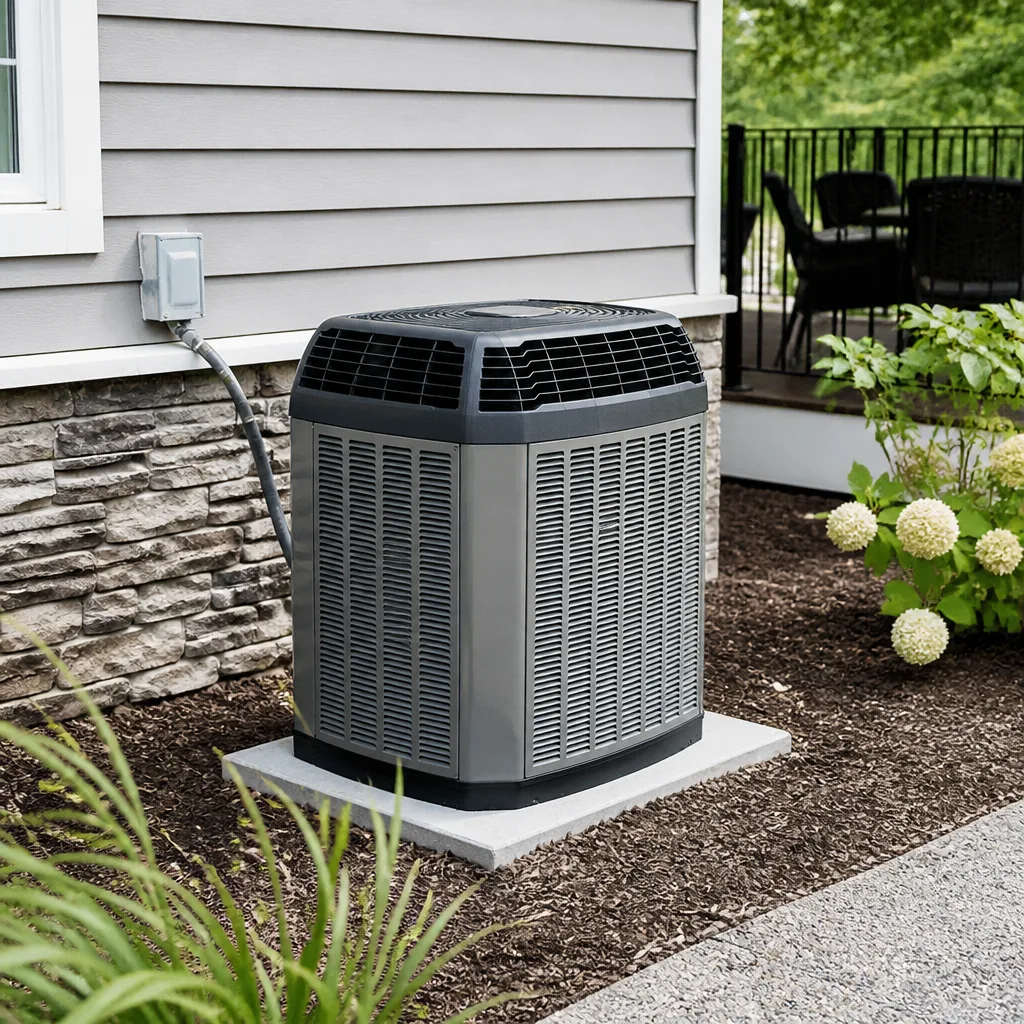 Trane
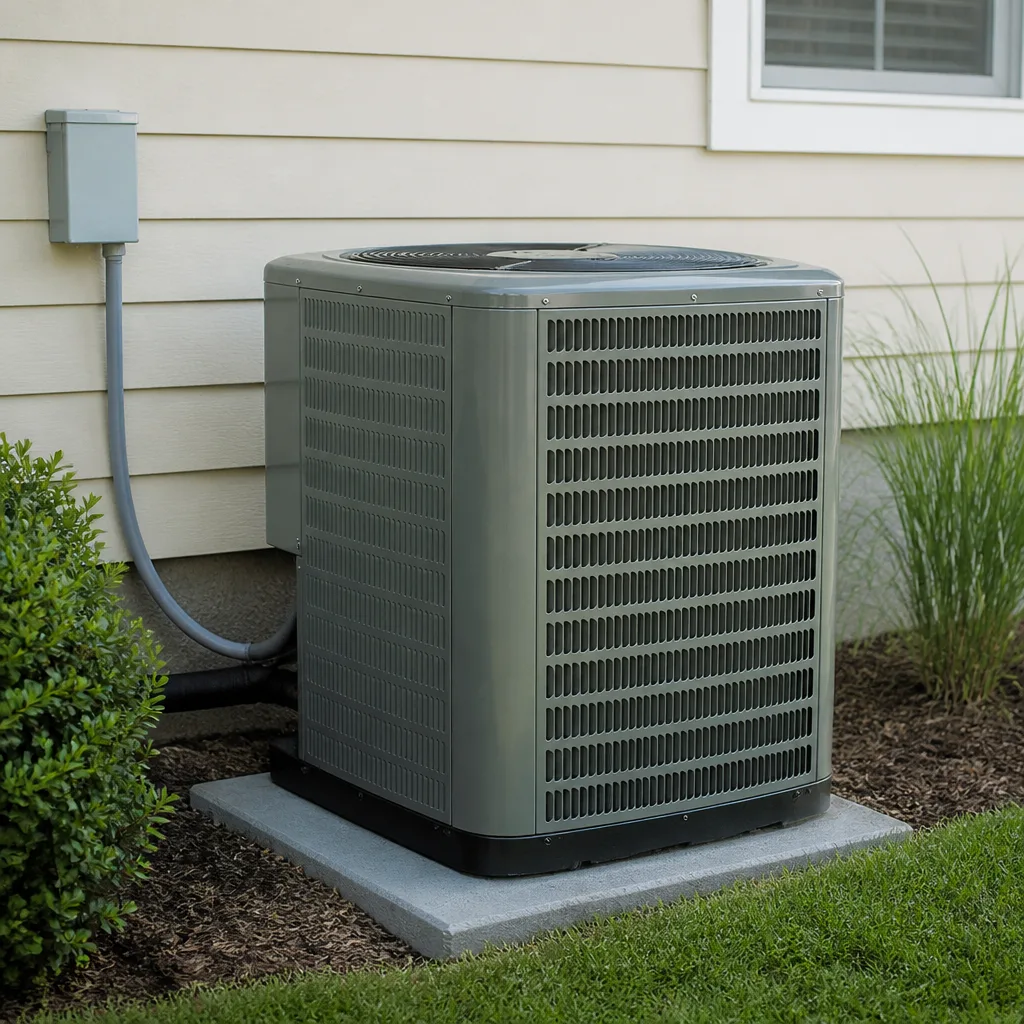 Goodman
Seasonal tune-up and full diagnostic on your Carrier, Trane, or Goodman system - readings shown to you before any repair is proposed
Diagnosis first, numbers second - you approve the repair price before a single part goes in.
Get your free estimateHVAC Cost Breakdown: The Spring Valley Homeowner’s Reference for 2026
A 3-ton AC replacement quoted at $7,200 in Spring Valley isn’t price gouging. But a quote with no itemization and a vague warranty absolutely might be. Here’s the part most homeowners get wrong: they benchmark a Spring Valley quote against a national average they read online, decide it’s too high, and walk away from a fair price. Or they accept a low number without asking what’s missing from it. Both mistakes cost money. This guide walks through what HVAC work actually costs in Spring Valley in 2026, why local numbers run higher than the national figures, and how to read a quote line by line so you know exactly what you’re paying for.
Quick Answer
Most HVAC work in Spring Valley in 2026 costs more than the national average, typically 12-18% more, because of equipment demand during peak summer, a tighter local labor market, and the logistics of getting equipment and parts into the valley. A full AC replacement on a typical single-family home generally runs from about $5,800 to $12,500 depending on system size, efficiency rating, and whether ductwork needs work. Repair calls are usually far less. The written estimate you receive sets the final price, and everything below explains what should be in it.
Styles & brands we work with
- AC repair
- Furnace & heating
- Heat pumps
- Ductless mini splits
- Carrier
- Trane
- Goodman
Table of Contents
- Why HVAC Costs in Spring Valley Run Above National Averages
- What HVAC Work Costs in Spring Valley in 2026
- How to Read an HVAC Quote Line by Line
- The Real Cost Difference Between 16 SEER and 18 SEER in Spring Valley
- Where Homeowners Overpay, and Where They Underpay and Regret It
- Utility Rebates and Federal Tax Credits for Spring Valley Installs in 2026
- Repair or Replace: How to Decide
- Common Mistakes to Avoid
Why HVAC Costs in Spring Valley Run Above National Averages
The 12-18% gap between Spring Valley HVAC pricing and national averages isn’t arbitrary. It comes from three forces that are specific to this valley and this climate, and understanding them makes you a harder person to overcharge.
Equipment demand peaks hard in summer. Spring Valley sits in a desert climate where cooling season runs long. When the first sustained triple-digit stretch hits, demand for replacement equipment spikes across the region. Distributors run short on popular tonnage sizes and efficiency tiers, and lead times stretch. Contractors who planned ahead have equipment; those who didn’t are paying more to source it quickly, and that cost lands in quotes. If you’re replacing a system in June instead of March, expect the quote to reflect that pressure.
Labor is tighter than the national picture suggests. Good HVAC technicians are in demand everywhere, but the Southwest labor pool is smaller relative to the volume of residential work. A contractor who wants to keep experienced technicians has to pay competitively, and that shows up as a higher labor line item. This is one place where a lower quote deserves a question: who is actually doing the install, and how long have they been doing it? Our technicians have up to 8 years of experience, and that matters when a system is being commissioned correctly the first time.
Logistics into the valley add a layer. Equipment, refrigerant, and specialty parts move through regional distribution before they reach a Spring Valley job site. Each handoff adds handling and freight cost. It’s not dramatic per unit, but it’s real, and it’s one reason a quote from a contractor who buys through a well-positioned distributor can come in lower than one from a company scrambling for parts.
None of this excuses a vague quote. It does explain why a fair Spring Valley number looks different from a national one. When you’re comparing, compare against what the work actually requires in this climate, not against a figure that assumes a milder cooling season.
What HVAC Work Costs in Spring Valley in 2026
Here’s the range structure most Spring Valley homeowners will see in 2026. These are typical estimates, not fixed prices, and the written estimate you receive after an on-site assessment is what governs. For a deeper look at what a full changeout involves, our AC installation page covers the process step by step.
Cooling side
- AC repair, common failures (capacitor, contactor, blower motor, refrigerant top-off): typically $180 to $650 depending on the part and refrigerant involved
- Full AC replacement, 2-ton to 3-ton, standard efficiency: typically $5,800 to $8,900
- Full AC replacement, 4-ton to 5-ton, higher efficiency: typically $8,500 to $12,500
- Ductwork repair or partial replacement: typically $600 to $2,800 depending on scope and access
- Thermostat replacement, including smart thermostats: typically $220 to $650 installed
Heating side
- Furnace repair, common failures (igniter, flame sensor, inducer motor, control board): typically $190 to $700
- Furnace replacement, standard efficiency: typically $4,200 to $7,400
- Furnace replacement, high efficiency: typically $6,000 to $9,500
These ranges reflect the local market conditions described above. A quote at the top of a range isn’t automatically wrong, and a quote below the bottom deserves a close read of what’s excluded. When a furnace is the item in question, our furnace repair page explains what a diagnostic visit actually checks. We work on nine major brands, from Goodman on the value end to Lennox and Trane on the premium end, so the equipment conversation starts with your home and your budget rather than a single product line.
One thing worth saying plainly: the estimate is free, and the price is set per job by that written estimate. Nothing in this guide replaces an on-site look.
How to Read an HVAC Quote Line by Line
A professional HVAC quote separates what you’re buying into its parts. If you get a single lump-sum number with no breakdown, ask for the breakdown before you sign anything. Here’s what should appear as separate line items on a 2026 Spring Valley quote.
- Equipment. The model number, tonnage, SEER2 rating, and brand should be listed, not just “3-ton unit.” You should be able to look up that exact model. Ask whether the equipment price includes the air handler or coil.
- Labor. Removal of the old system, installation of the new, commissioning, and cleanup should be described. Labor is often the largest single line after equipment, and a vague “installation” line hides what’s included.
- Refrigerant. New systems ship with the correct charge. If a quote lists a large refrigerant line item on a new install, ask why. Refrigerant for a repair call is a legitimate charge; inflated refrigerant on a replacement is a common place to pad a quote.
- Permit fees. Most cities require a permit for HVAC replacement. The fee is usually modest, but it should be itemized and the permit should actually be pulled, because an unpermitted install can complicate a future sale.
- Disposal. Hauling away the old condenser and furnace is a real cost. It should be listed or clearly stated as included.
- Ductwork and accessories. If duct sealing, a new thermostat, or a condensate pump is part of the job, they should be separate lines. If they’re baked into an “installed” price, you can’t tell whether you’re paying for them.
- Warranty terms. Manufacturer warranty on parts (often 5 to 10 years depending on the equipment tier) and the contractor’s labor warranty (commonly 1 to 2 years) should both be spelled out. The terms set the future cost of owning the system, so read them before comparing price.
A quote built this way lets you compare apples to apples. Two quotes for “a new 3-ton system” can differ by thousands once you see that one includes duct sealing and a permit and the other doesn’t. Nine times out of ten, the honest comparison changes the decision. This is the difference between a quote and a price tag.
The Real Cost Difference Between 16 SEER and 18 SEER in Spring Valley
The jump from 16 SEER to 18 SEER usually adds somewhere between $700 and $1,600 to a Spring Valley install, depending on tonnage and brand. Whether that’s worth it depends on one thing: how many hours your system actually runs in cooling mode each year.
Here’s how to think about it without the national-average spin. SEER is a ratio of cooling output to energy input over a rated season. The higher the number, the less electricity per unit of cooling. But a system only saves what it runs. Spring Valley’s long, hot cooling season means your system runs many more cooling hours per year than a system in a milder climate, which works in favor of higher efficiency. At the same time, the absolute dollars saved depend on your electricity rate and your home’s cooling load, not just the SEER rating.
A practical way to frame the decision:
- If you plan to stay in the home more than 7-8 years, the 18 SEER upgrade often pays back within the equipment’s service life in this climate. The savings compound over a long cooling season.
- If you’re likely to move in a few years, a well-installed 16 SEER system is a sound, defensible choice. Efficiency above 16 matters most when you’re the one paying the summer bills.
- If your ductwork leaks, the efficiency rating is the wrong place to spend money first. A 20 SEER system on leaky ducts will underperform a well-sealed 16 SEER system every time. Fix the envelope before you upgrade the box.
One more point that doesn’t come up in national comparisons: installation quality moves real-world efficiency more than the label difference between 16 and 18 SEER. Proper charge, correct airflow, and a sealed plenum matter. A perfectly installed 16 SEER system will outperform a sloppy 18 SEER install every summer in Spring Valley.
Where Homeowners Overpay, and Where They Underpay and Regret It
Most HVAC cost mistakes fall into two buckets: paying for things you don’t need, and skipping things that would have saved you money later. Knowing which is which protects you in both directions.
Where overpaying is common
- Unnecessary add-ons at the point of sale. UV lights, air purifiers, and premium filters are sometimes pitched as essential rather than optional. Some homes benefit from better filtration; that’s a real conversation. But an add-on should be justified by something specific in your home, not added to a proposal by default.
- Inflated refrigerant charges. Refrigerant is priced by weight, and legitimate repair charges reflect actual refrigerant used. A flat, large “refrigerant” line on a job where the system is being replaced, not repaired, is worth questioning.
- Upsizing equipment. A larger system isn’t a better one. An oversized AC cools the air quickly but doesn’t run long enough to pull humidity, and it short-cycles. The right size comes from a load calculation, not a bigger number on the quote.
- Premium-brand markup on a standard need. A Goodman and a Lennox on the same tonnage both move the same amount of air. Where premium tiers earn their price is in build quality and efficiency, not in some magic performance advantage. If a quote is pushing top-tier equipment into a home where mid-tier would serve, ask why.
Where underpaying is common
- Ductwork condition. Leaky ducts quietly waste a big share of the conditioned air you pay for. Skipping duct inspection to keep an install quote low is the most common regret we see.
- Thermostat quality. A cheap thermostat on a new system robs you of efficiency and comfort control. A mid-grade programmable or smart thermostat is worth its cost.
- Commissioning. A short “in and out” install that skips proper charge verification and airflow testing will cost more over the system’s life than the install savings.
- Permit and inspection. Skipping the permit to shave cost can become a real problem if you sell the home. This is a small line item that protects a large investment.
We work across the full spectrum of brands, from value tiers like Goodman to premium equipment like Lennox and Trane, so the recommendation we make is one based on what your home actually needs. That’s the entire point of a brand-neutral diagnostic approach: no inventory to push, just the right system for the job.
Utility Rebates and Federal Tax Credits for Spring Valley Installs in 2026
Spring Valley homeowners can often stack a utility rebate with a federal tax credit on a qualifying high-efficiency install in 2026. The realistic combined benefit on a typical residential install usually lands somewhere between $800 and $2,500 depending on equipment efficiency, tonnage, and which programs a given household qualifies for. The advertised maximum figures are real, but most homes qualify for something closer to the middle of that range.
How to approach it:
- Ask for the exact model numbers on your quote. Rebate eligibility is tied to specific efficiency thresholds. A quote without model numbers can’t be checked against program requirements.
- Verify utility program status before installation. Rebate programs have budgets and change year to year. Confirm the program is funded and that the specific equipment qualifies at the time of install, not months later.
- Keep your documentation. Federal tax credit claims typically require the manufacturer’s certification statement and the model numbers on your invoice. Keep the paperwork in a safe place with your HVAC records.
- Ask how the rebate is handled. Some contractors will apply for the rebate on your behalf and reduce the invoice; others leave the claim to you. Either works, but know which one you’re getting before you sign.
Two cautions. First, don’t let a rebate decide your equipment. A system that’s the wrong size or poorly installed with a rebate is still a bad buy. Second, don’t chase the maximum advertised credit if your home doesn’t need that tier of equipment. Buy the system that fits, and take the rebate you legitimately qualify for.
Program details change, so the specifics for your home should be confirmed as part of your estimate. When you call us, we can talk through what your install is likely to qualify for and what documentation you’ll need.
Repair or Replace: How to Decide
The repair-or-replace line isn’t a single age threshold. It’s a judgment call that weighs repair cost against the remaining life and efficiency of the equipment. Here’s how to think through it in a Spring Valley context, where cooling season is long and the system works hard.
- The 50% rule. If a single repair costs more than half the value of a replacement, replacement usually wins. This is a rough guide, but it’s useful when a compressor or a major component fails.
- Age and remaining life. A system well into its service life facing a major repair is different from a newer system with a small fix. Standard residential equipment typically serves a defined lifespan, and past that point, repairs stack up.
- Efficiency overhang. If your existing system is older and lower-efficiency, the operating cost of keeping it running through long Spring Valley summers adds up. The repair-vs-replace math should include the efficiency difference on your summer bills, not just the repair price.
- Refrigerant transition. As refrigerant rules evolve, older systems can become more expensive to service. A system on a refrigerant that’s being phased down is a consideration when a major repair comes up.
For furnace work in the cooler months, the same logic applies. Our furnace repair page lays out what a proper diagnostic checks, and when the honest answer is replacement rather than another repair. A brand-agnostic technician should be able to explain both sides of that decision without steering you toward a number.
Common Mistakes to Avoid
- Comparing a Spring Valley quote against a national average. That number assumes a different climate and labor market. Benchmark against local costs and ask a contractor to explain what’s in their number, not just the total.
- Accepting a lump-sum quote. A single price with no line items hides what you’re buying and what’s excluded. Ask for equipment, labor, refrigerant, permit, and disposal as separate lines.
- Skipping the load calculation. Replacing equipment on “same tonnage as before” without a load calc can over-size a system. An oversized AC in Spring Valley’s summer will short-cycle and leave humidity behind.
- Ignoring ductwork. Leaky ducts quietly waste the efficiency you’re paying for. Ask for a duct assessment as part of a replacement.
- Chasing the maximum advertised rebate. Federal and utility maximums are real but narrow. Most homes qualify for a mid-range credit. Don’t buy more equipment than the home needs to chase a credit.
- Going with the lowest bid without reading it. The cheapest quote often excludes duct sealing, a permit, or the right refrigerant charge. Compare what each quote actually installs.
- Waiting until the system fails in a heat wave. Emergency replacement season is the most expensive time to buy. A planned replacement in a shoulder season costs less and gives you time to choose the right equipment.
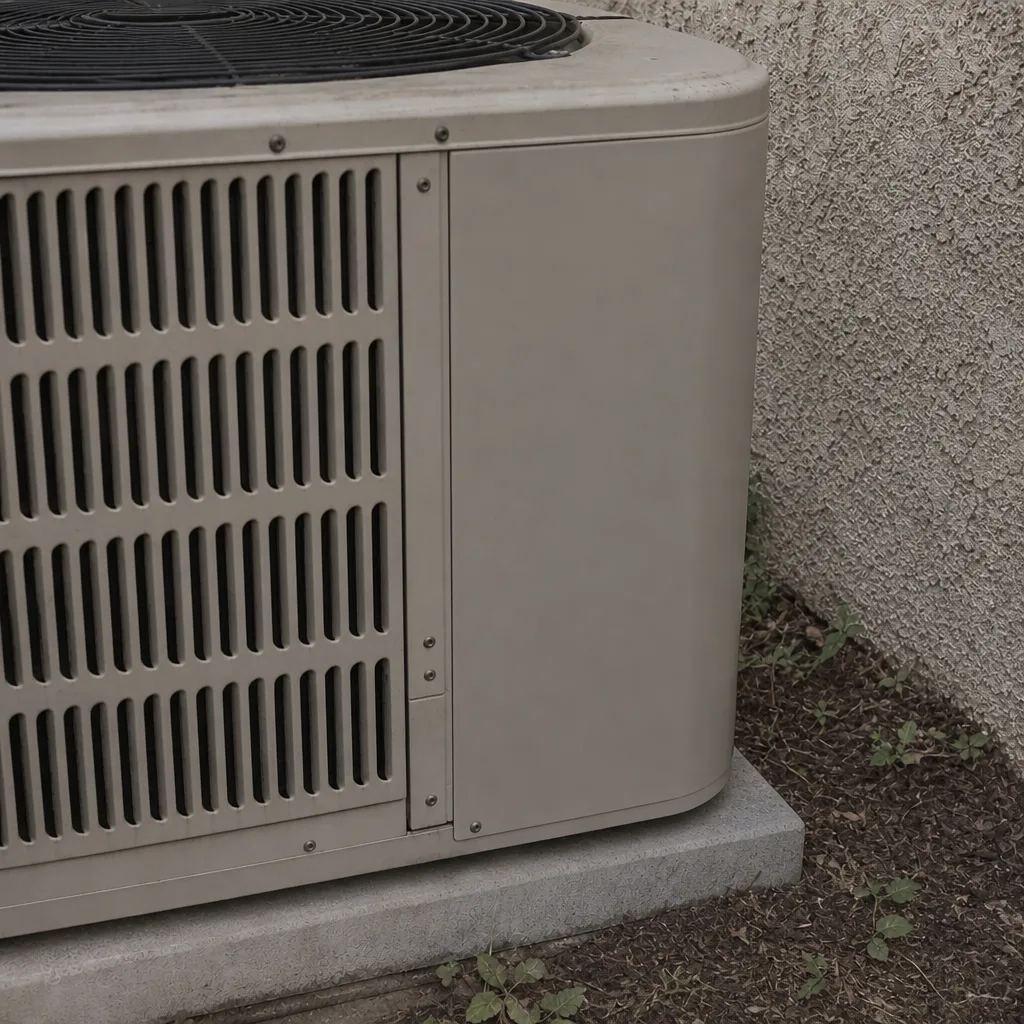
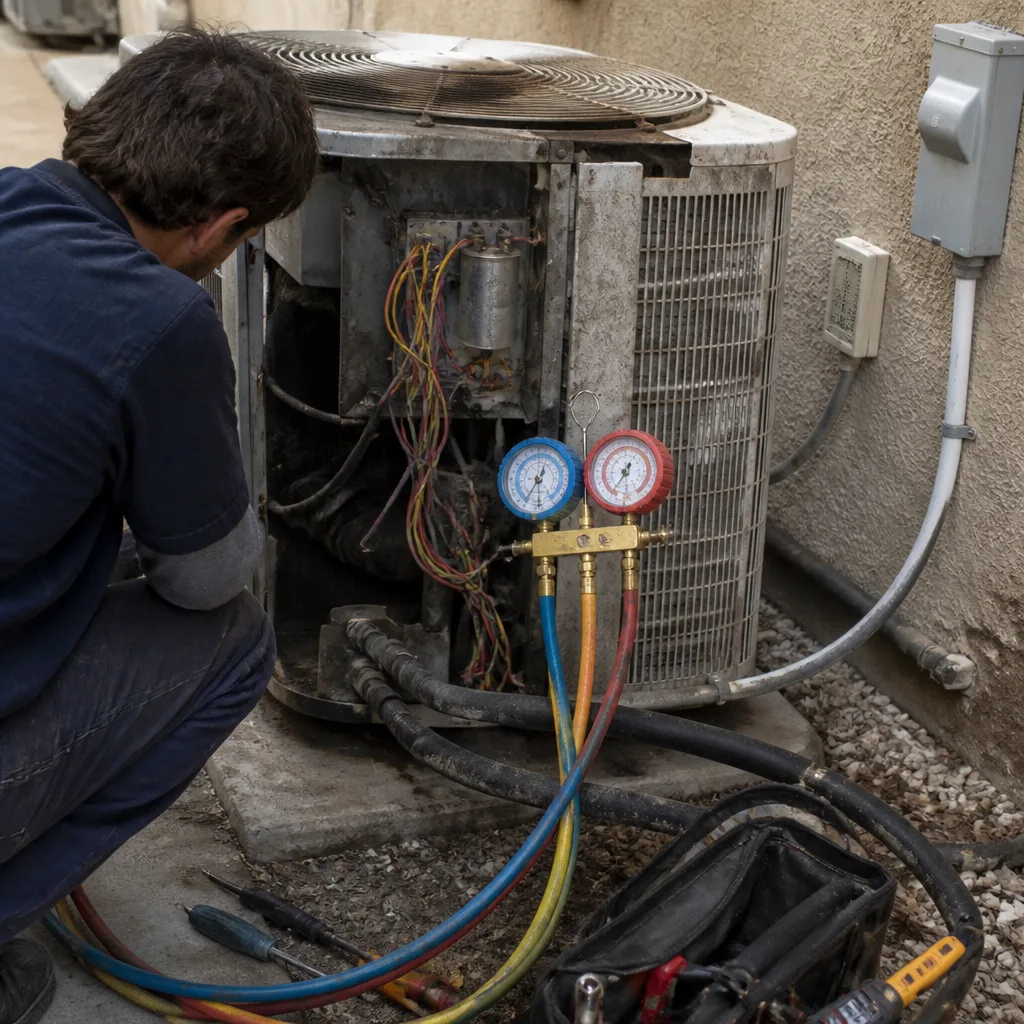
See the difference
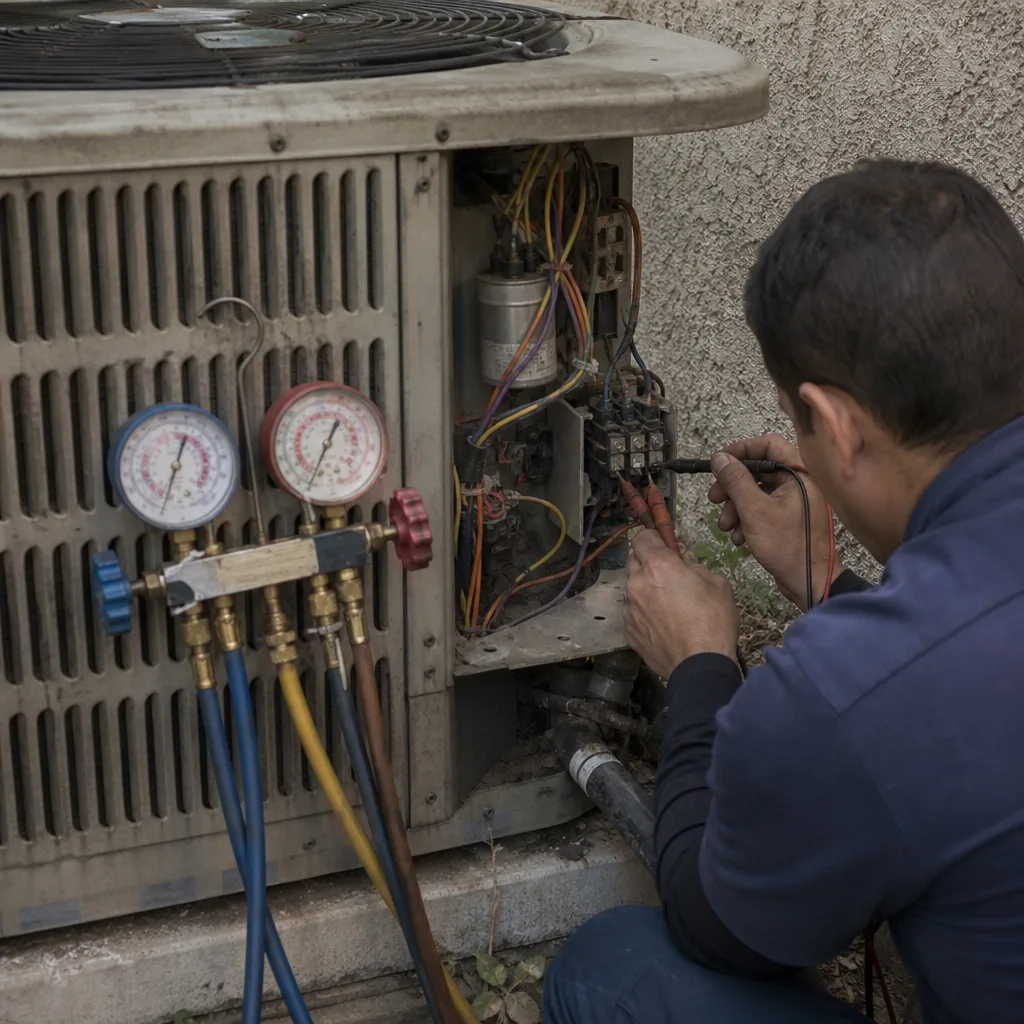 Before
 After
 Before
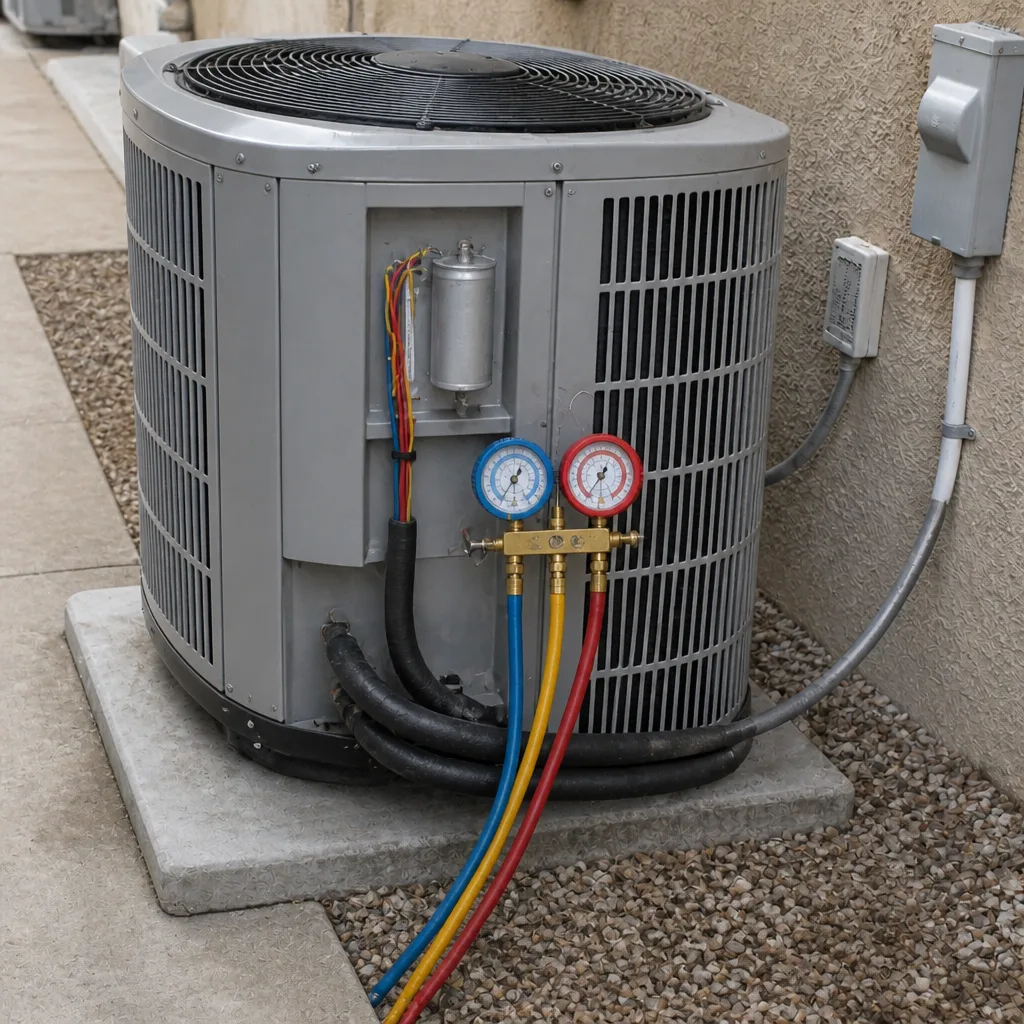 After
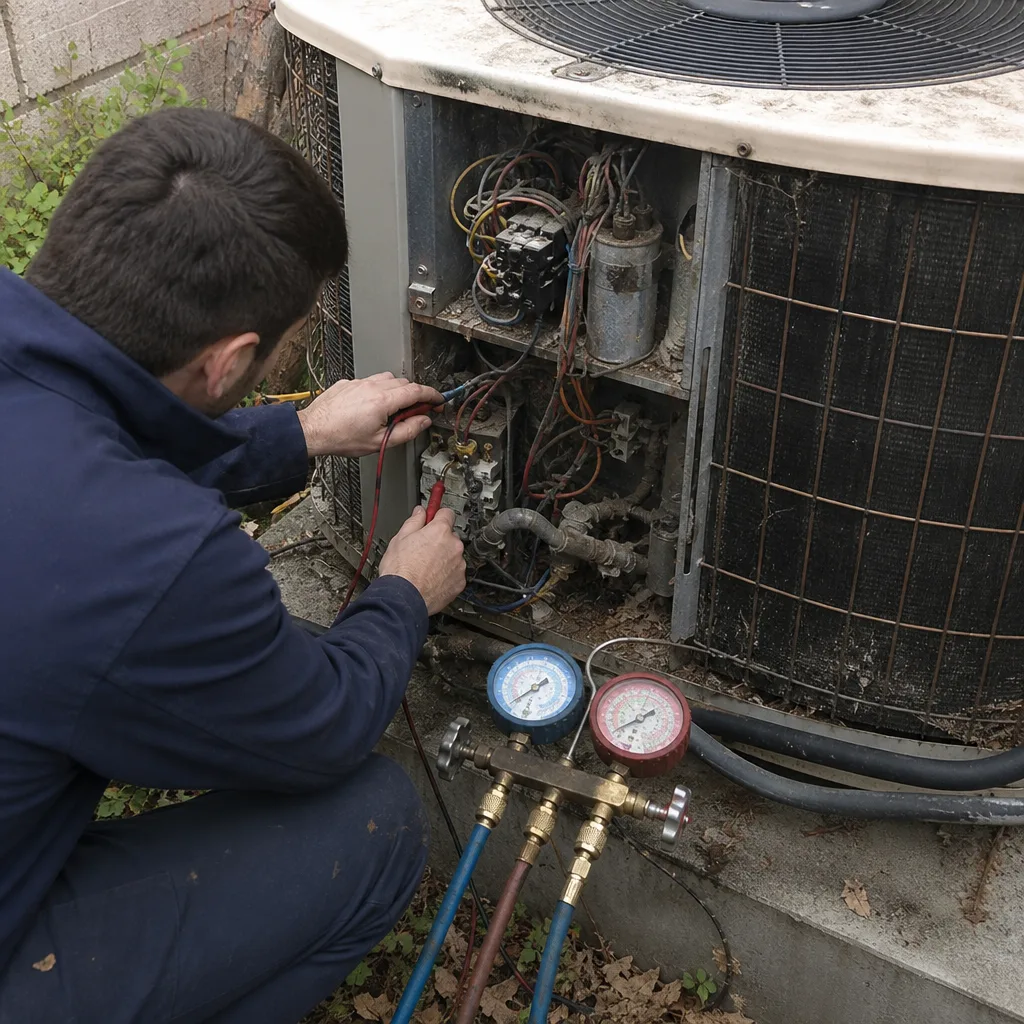 Before
 After
When to Call a Professional
Some HVAC tasks are safe for a homeowner to check; others aren’t. Call a professional when the system won’t start, won’t hold a temperature, or is making grinding, squealing, or rattling noises. Call when you smell gas near a furnace; evacuate and call from outside first, then a licensed technician. Call when the system is icing up, when your energy bills jump with no other explanation, or when you’re deciding between repair and replacement and want a real assessment rather than a guess. What you shouldn’t do is open an air handler, poke at refrigerant lines, or attempt anything electrical inside a system. Refrigerant is under pressure and requires handling by trained technicians. We can work with your insurer on covered damage, and a proper diagnostic is the starting point.
AC Repair Spring Valley offers free estimates in Spring Valley. Call (866) 773-7426. We answer 24/7. Fast dispatch from 7am to 7pm, Sunday through Friday. If a call comes outside dispatch hours, we’ll book it into the next opening. The estimate is free, and the price is set per job by the written estimate.
Frequently Asked Questions
Most full AC replacements in Spring Valley in 2026 typically fall between $5,800 and $12,500, depending on tonnage, efficiency rating, and whether ductwork needs work. The written estimate you receive after an on-site assessment sets the final price, and it should itemize equipment, labor, refrigerant, permit, and disposal. Call (866) 773-7426 for an exact quote. Estimates are free.
Spring Valley pricing typically runs 12-18% above national averages because of peak summer equipment demand, a tighter Southwest labor market, and the logistics of getting equipment and parts into the valley. These are explainable cost drivers, not gouging. Understanding them helps you judge a quote fairly instead of rejecting a fair price or accepting an inflated one.
It often is if you plan to stay in the home more than 7-8 years, because Spring Valley’s long cooling season means the system runs many hours and higher efficiency pays back over time. Installation quality matters more than the label difference, though. A well-installed 16 SEER system beats a sloppy 18 SEER install. Ask for model numbers and a load calculation before deciding.
A proper quote itemizes equipment (with model number, tonnage, and SEER2 rating), labor, refrigerant, permit fees, disposal of the old equipment, and any ductwork, thermostat, or accessories. It also states the manufacturer parts warranty and the contractor labor warranty terms. If a quote is a single lump sum with no breakdown, ask for the breakdown before you sign. An itemized quote is what makes comparison possible.
Yes, many Spring Valley homeowners can stack a utility rebate with a federal tax credit on qualifying high-efficiency equipment in 2026. A realistic combined benefit usually falls somewhere between $800 and $2,500 depending on equipment and household. Ask for exact model numbers and confirm the utility program is funded before installation, then keep the documentation for your tax claim.
If a single repair costs more than half the cost of a replacement, replacement usually wins. The same goes for a system well past its expected life facing a major component failure. A system still under warranty or with remaining useful life is usually worth repairing. A brand-neutral technician can lay out both paths without steering you. Call (866) 773-7426 for an assessment. Estimates are free.
The Bottom Line
The right price for HVAC work in Spring Valley is a fair one, and fair looks different here than the national average because of equipment demand, labor, and logistics. The way to get there isn’t to chase the lowest number; it’s to demand itemization, understand each line, and compare on what’s actually being installed. The cheapest quote often skips the ductwork, the permit, or the commissioning that a well-built quote includes. Get a load calculation, confirm model numbers for rebate eligibility, and ask what happens if the system doesn’t perform. A brand-agnostic company with technicians who work on nine major brands starts the conversation with your home, not a manufacturer’s margin. That’s the whole point of AC Repair Spring Valley. If you’re in Spring Valley, call (866) 773-7426 for a free estimate. We answer 24/7. Fast dispatch from 7am to 7pm, Sunday through Friday.
Written by the team at AC Repair Spring Valley.