
Last updated November 16, 2026
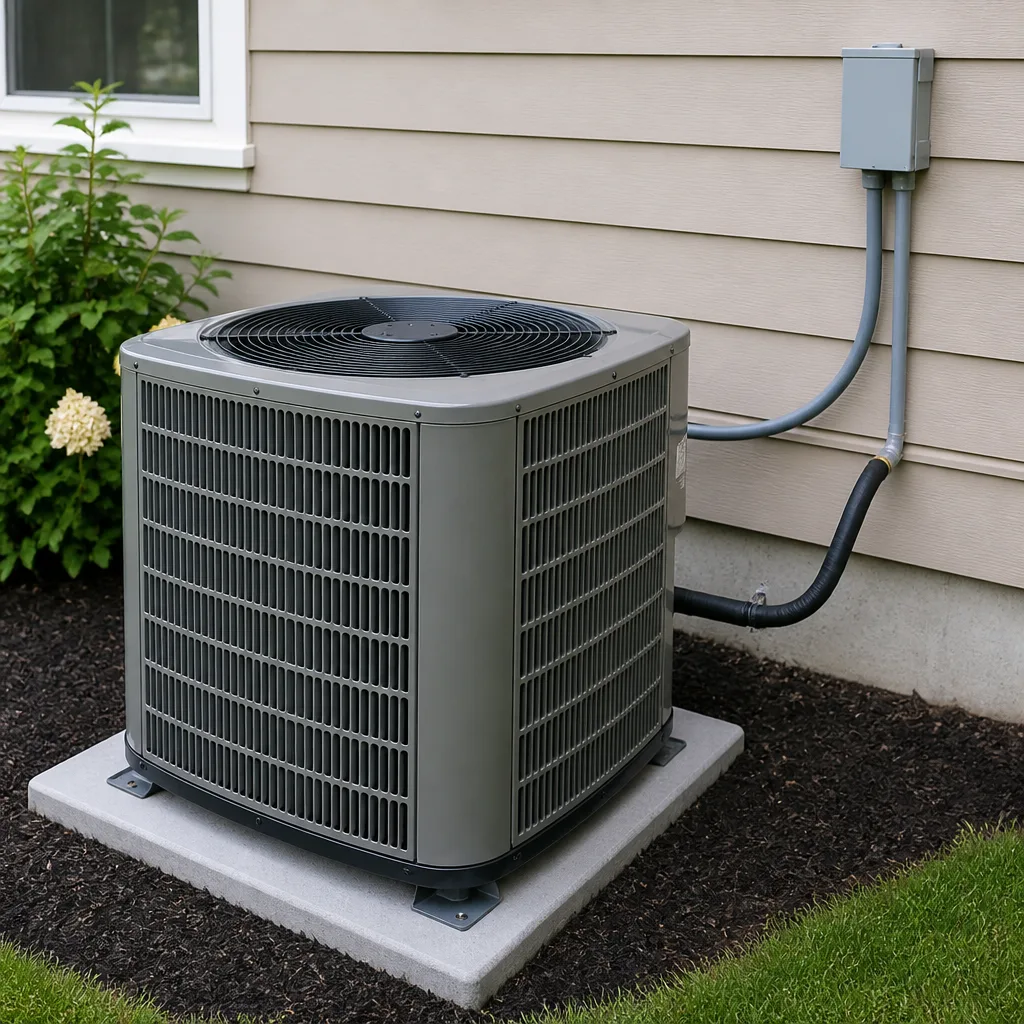 AC repair
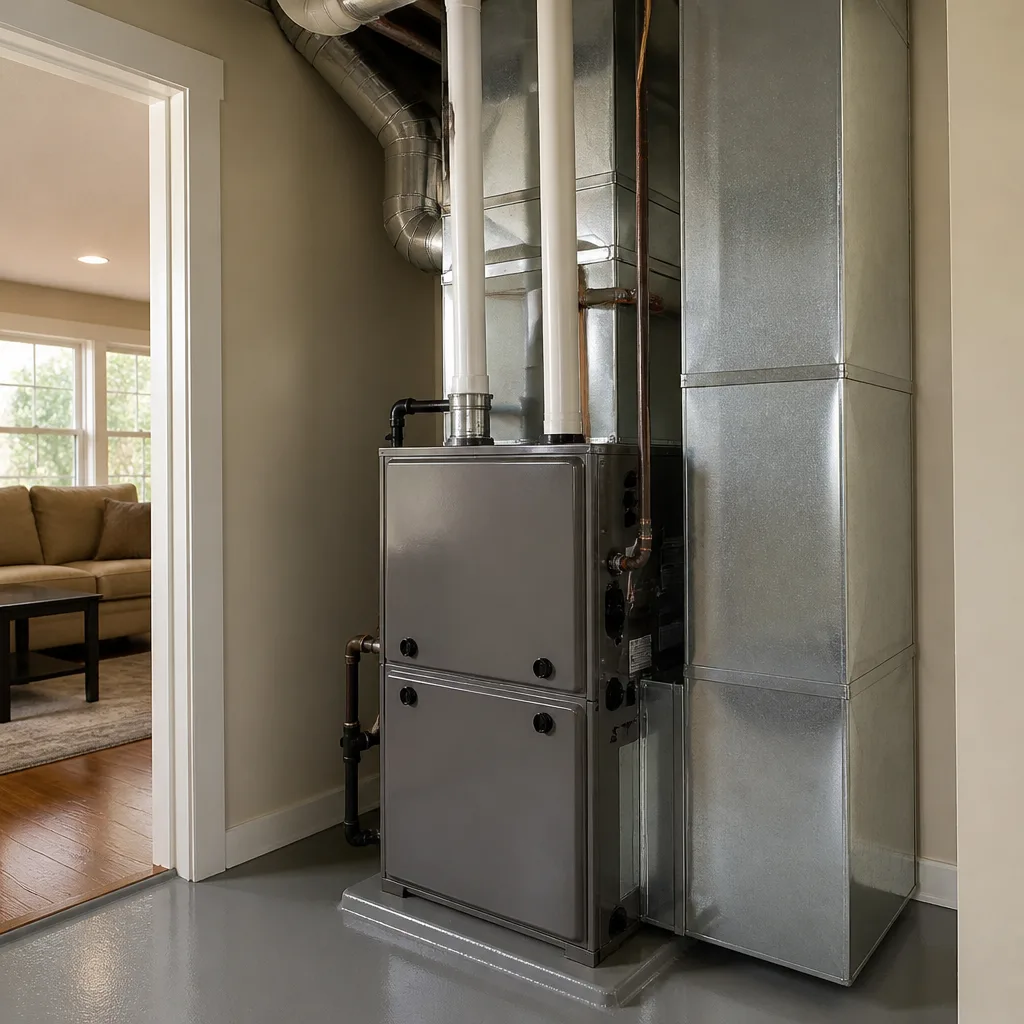 Furnace & heating
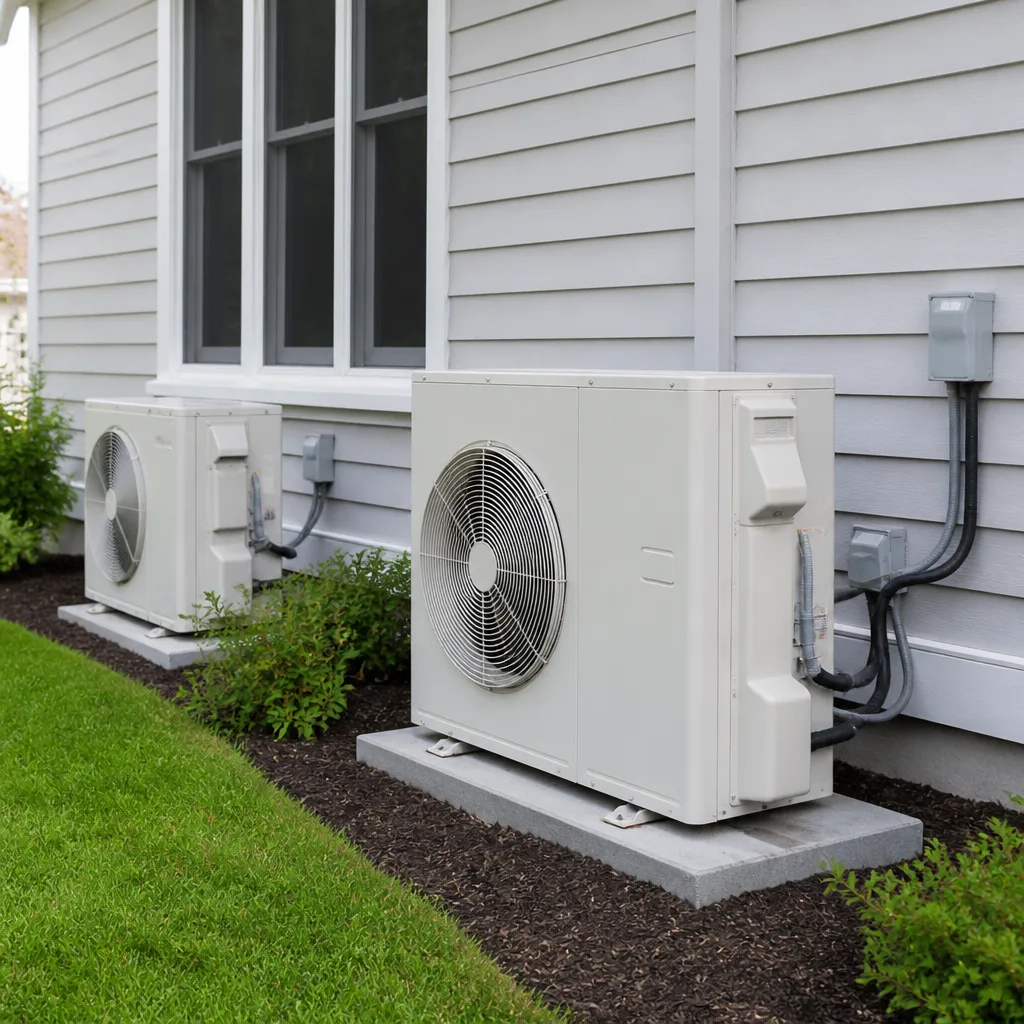 Heat pumps
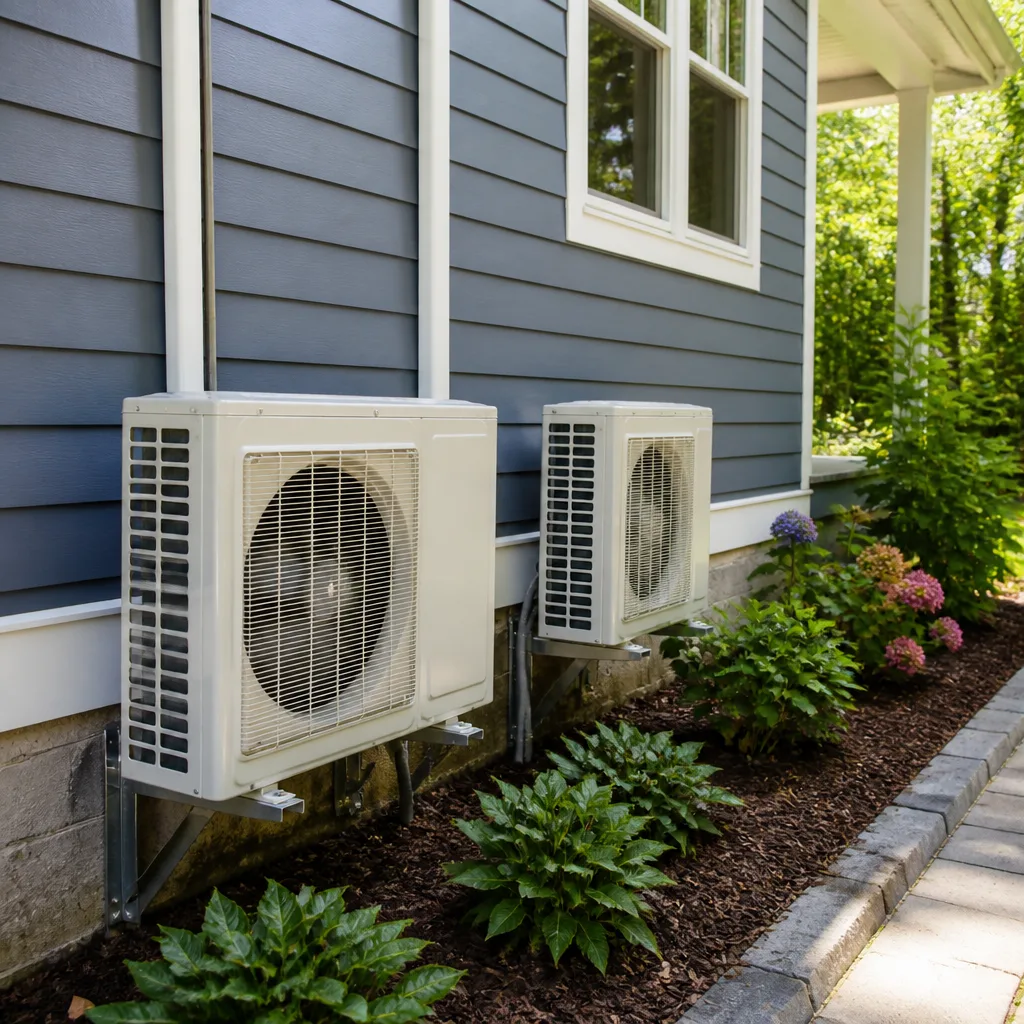 Ductless mini splits
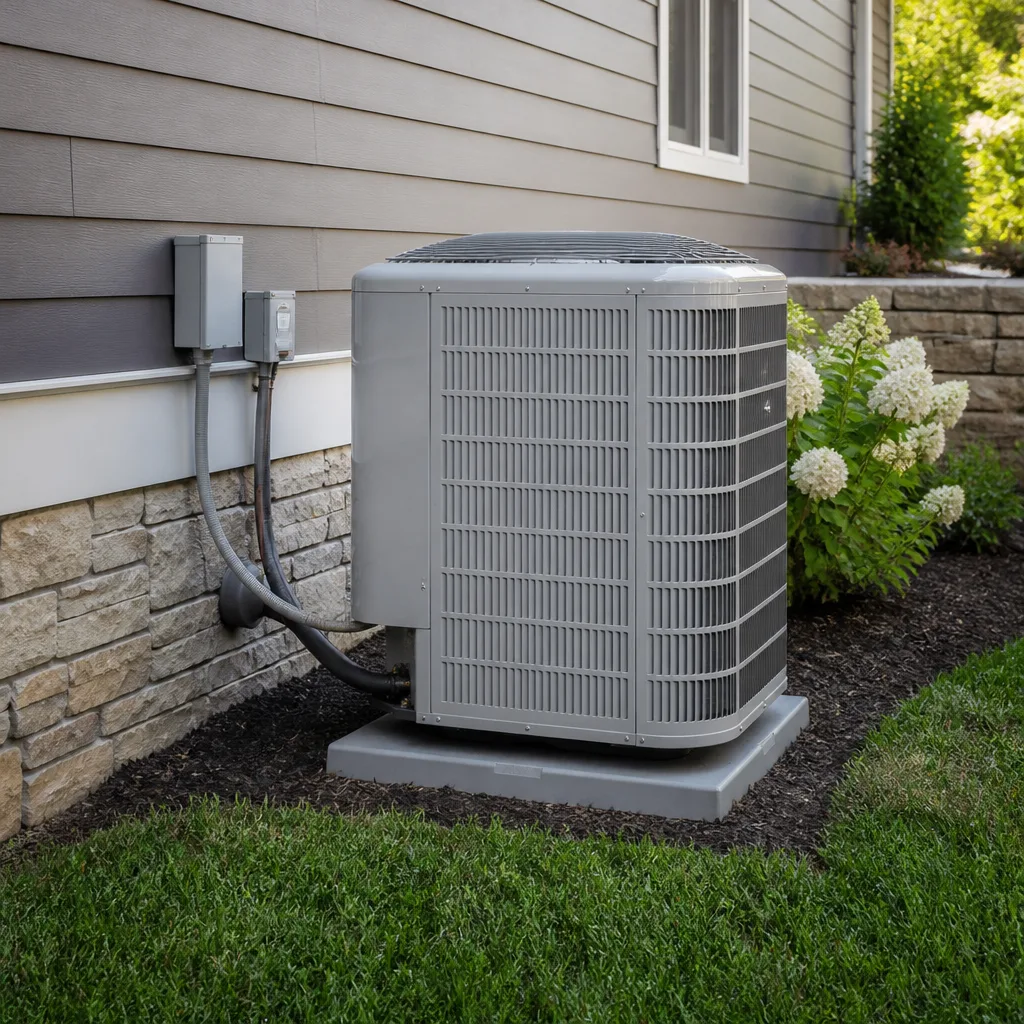 Carrier
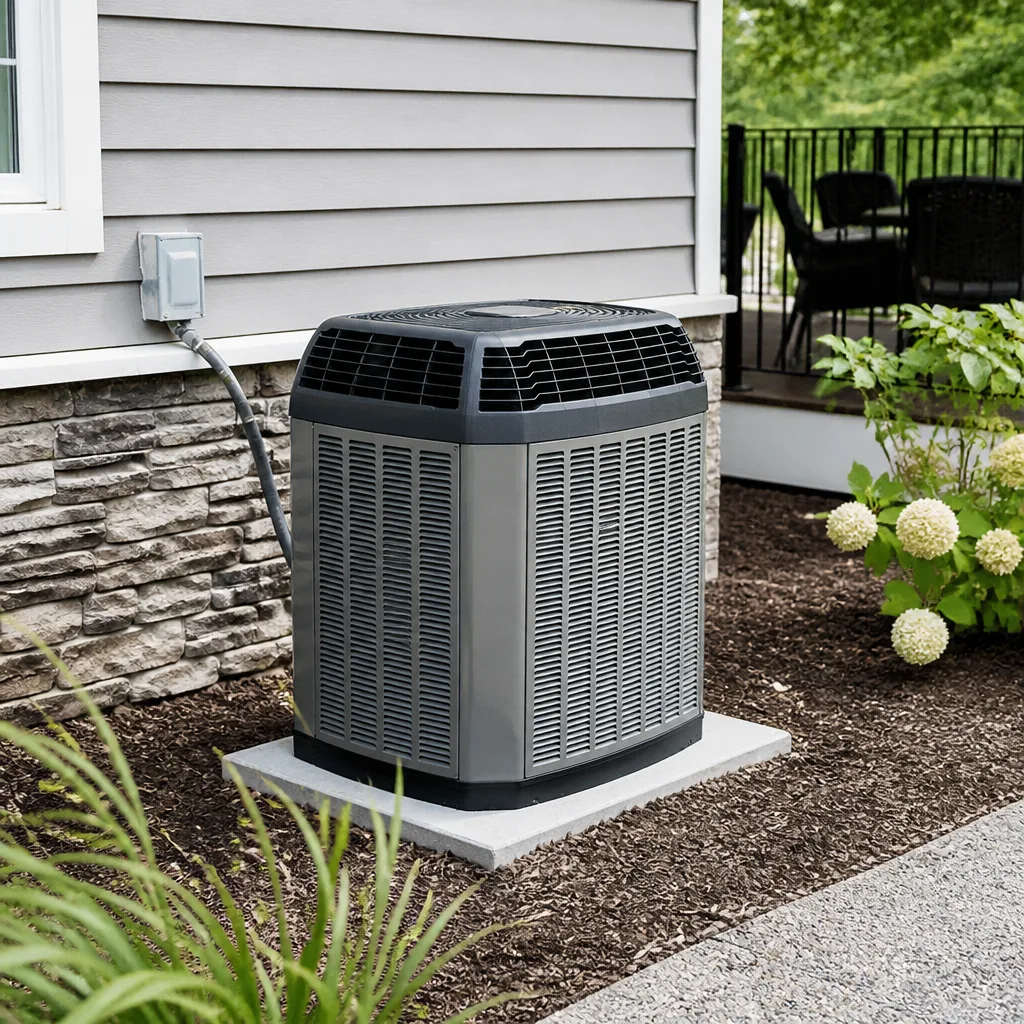 Trane
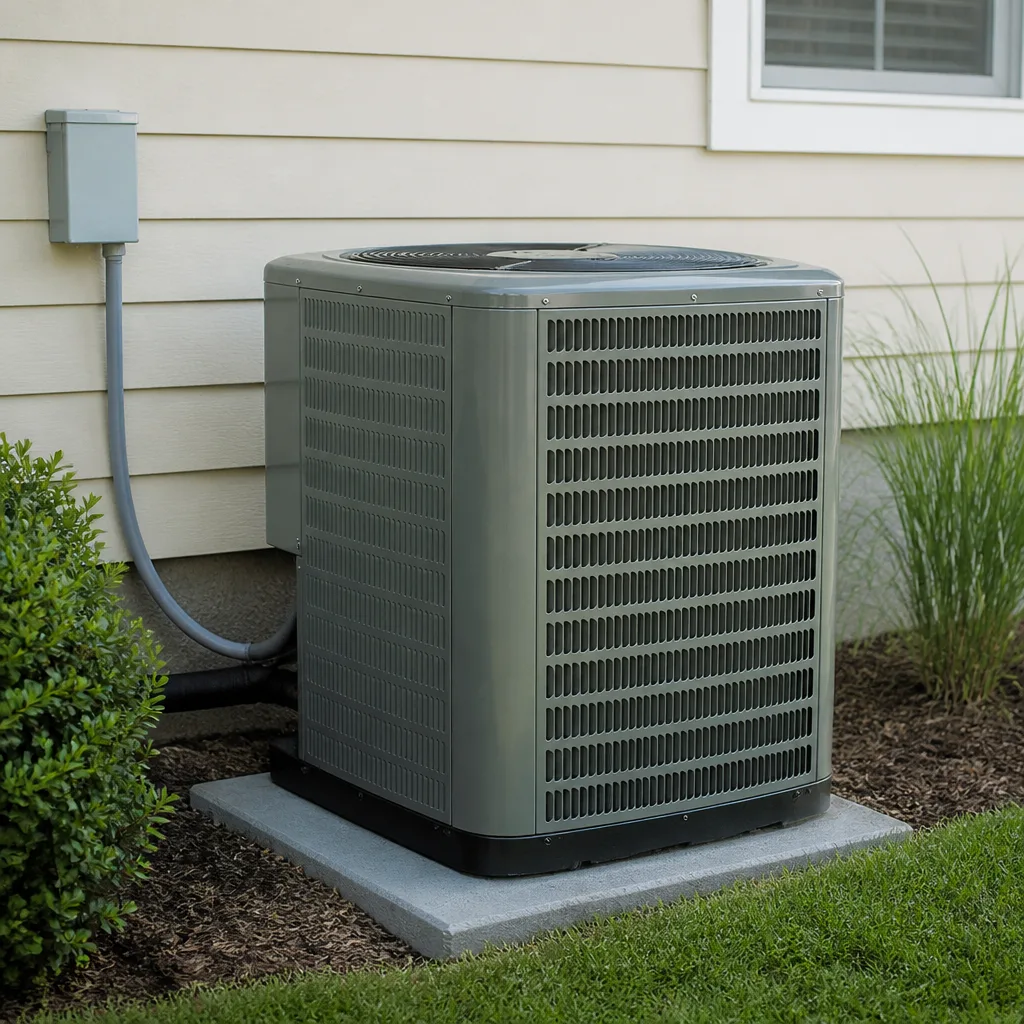 Goodman
Seasonal tune-up and full diagnostic on your Carrier, Trane, or Goodman system - readings shown to you before any repair is proposed
Diagnosis first, numbers second - you approve the repair price before a single part goes in.
Get your free estimateDIY vs Professional HVAC: The Spring Valley Homeowner’s Decision Guide
Replacing your own capacitor is legal, documented in a hundred videos, and within reach for a careful homeowner with a multimeter. Topping off your own refrigerant is a federal violation. Both things are true at the same time, and almost no guide puts them in the same paragraph. That’s the problem with most DIY-versus-professional advice for HVAC in Spring Valley. It’s usually written by someone protecting their license, and it treats a $15 part and a sealed pressurized system as if they carried the same risk. This guide draws the line where it actually sits: at the law, at the tools, at the warranty, and at what goes wrong in a desert valley that doesn’t happen in a temperate climate.
Quick Answer
Some HVAC tasks are genuinely safe and legal to do yourself in Spring Valley: filter changes, coil cleaning, condensate line flushing, thermostat batteries. Others are legal but risky to your manufacturer warranty if you don’t document them properly. And a third group – refrigerant handling above all – is professional-only by federal law under EPA Section 608, no matter who owns the equipment. The dividing line isn’t “is it hard,” it’s “does it require certification, calibrated tools, or a record your warranty depends on.”
Styles & brands we work with
- AC repair
- Furnace & heating
- Heat pumps
- Ductless mini splits
- Carrier
- Trane
- Goodman
Table of Contents
- The Legal Boundary Homeowners Rarely Hear Explained
- A Categorized Task List: What’s Yours, What’s Ours
- Why Spring Valley Attics Make DIY Duct Work a Different Risk
- The Warranty Clause Most Homeowners Miss
- What a Botched DIY Repair Costs You at Diagnosis Time
- Tools That Separate DIY-Capable From Professional-Only
- Repair or Replace: Using What You Learn From a Diagnostic
The Legal Boundary Homeowners Rarely Hear Explained
Refrigerant is regulated under Section 608 of the Clean Air Act, and that regulation is aimed at the person handling the refrigerant, not the owner of the equipment. That distinction matters because it’s the one people get wrong. You can own the system, you can pay for the system, and you still can’t legally open the sealed circuit and add refrigerant without the proper EPA certification. The refrigerant itself is a controlled substance when it’s released to atmosphere. That’s the whole reason the rule exists.
What that means practically:
- You cannot legally purchase refrigerant in the quantities used for residential charging without the certification. Supply houses check. This isn’t a formality.
- You cannot legally vent refrigerant to the atmosphere to recharge a system. Even a small leak-and-top-off routine that’s common in the trade has to be done by someone certified to recover what’s left.
- You are not the regulated party for electrical work in the same way. Replacing a capacitor or a contactor inside the outdoor unit is not refrigerant handling, and that’s why it sits on the other side of the line.
- Municipal permit rules vary for full system replacement. Most cities require a permit for a new condenser or furnace install, so ask your city’s building department before anyone, including us, starts pulling equipment.
We mention all of this because the line between legal DIY and illegal DIY is not the line most homeowners assume. It isn’t about how hard the job looks. It’s about certification, sealed systems, and controlled substances. Once you understand where that line is, the rest of the decision gets much simpler. Understanding where an AC system actually fails helps too, and it’s usually not the part the internet fixates on.
A Categorized Task List: What’s Yours, What’s Ours
The cleanest way to make this decision is to sort every common task into three buckets: safe for you, possible but warranty-risky, and professional-only by law or tool requirement. Here’s the sort we use when a homeowner asks us whether they should try something first.
DIY-Safe With Normal Precautions
- Replacing the air filter. This is the single highest-value thing you can do for your system and it costs almost nothing.
- Cleaning the outdoor condenser coil with a garden hose and coil cleaner, power off at the disconnect.
- Flushing the condensate drain line with vinegar or a wet-dry vac. In Spring Valley this needs to happen more often than most guides suggest.
- Replacing thermostat batteries, or swapping a thermostat on conventional low-voltage wiring.
- Straightening bent condenser fins with a fin comb.
- Clearing debris and vegetation away from the outdoor unit.
DIY-Possible But Warranty-Risky
- Replacing a run capacitor. Legal, documented, and a common first DIY project. But a wrong microfarad rating or reversed polarity can take out the compressor.
- Replacing a contactor. Again legal and manageable, but the pitting pattern on the old one often tells a technician something about the system you’ll lose the moment you swap it.
- Replacing a blower motor on some equipment. The part is available; the calibration and the torque specs usually aren’t.
- Adjusting refrigerant charge with gauges you bought. Even if you have the certification, a residential system needs subcooling or superheat targets measured in specific conditions to charge correctly.
Professional-Only
- Any refrigerant recovery, evacuation, or charging. Federal law, EPA Section 608.
- Brazing, cutting, or opening the sealed refrigerant circuit.
- Compressor replacement, evaporator coil replacement, TXV replacement.
- Full system replacement, both the outdoor condenser and the indoor coil or furnace.
- Gas furnace work involving the gas valve or heat exchanger.
- Any electrical work on the high-voltage side of the system beyond swapping a capacitor or contactor.
Notice that the middle bucket is where the real temptation lives. It’s also where the warranty gets voided quietly. If you’re not sure which bucket a task belongs in, that’s exactly the moment to ask. We’re happy to tell you what the job actually involves so you can decide whether to do it. AC Repair Spring Valley answers that question without a sales pitch attached.
Why Spring Valley Attics Make DIY Duct Work a Different Risk
Duct work in a Spring Valley attic in June is a different job than the same work in a mild-climate home, and the difference isn’t just discomfort. Attics here reach temperatures that make the space itself a hazard, and that changes the risk profile for anyone planning to crawl up and “just reconnect a flex run” or “tape a joint.”
Here’s what’s different in a desert valley attic:
- Heat exposure during the work. An attic that’s been baking all morning gets dangerously hot well before midday. Heat illness in an attic is real and fast, and the instinct to “push through for another ten minutes” is exactly the wrong instinct.
- Insulation handling. Blown fiberglass and loose-fill insulation in a desert attic gets lightweight and airborne. Without a proper respirator and eye protection, you’re breathing it. It also hides nails, wiring, and other hazards underfoot.
- Fall risk between joists. Most attics aren’t floored end to end. One misstep through a ceiling is expensive and occasionally serious, and the dim light in a Spring Valley attic makes the joists harder to see than they look from the hatch.
- Duct sealing in extreme heat. Mastic and foil tape both behave differently in a 140-degree attic than they do at 75 degrees on your driveway. Tape that works fine in the shade peels off a hot duct connection by the next season.
- Static pressure and duct sizing. Spring Valley homes run their systems hard through long cooling seasons. A duct run that “looked fine” during a winter project may already be undersized for the load, and reconnecting it just as it was won’t fix the airflow problem that caused the original complaint.
The result is that duct work is often one of the tasks homeowners most want to DIY and one of the tasks we most often see half-finished in a Spring Valley attic. We’re not saying never touch it. We’re saying the conditions matter, and they don’t get mentioned in the average online walkthrough because the people writing them live in places where July is a mild inconvenience.
The Warranty Clause Most Homeowners Miss
This is the section we wish more homeowners read before opening the panels. It’s not about whether a repair is legal to do yourself. It’s about whether the work can be documented in a way your manufacturer warranty recognizes.
Most residential equipment warranties – Lennox, Goodman, Rheem, and York all operate on the same basic pattern – include language requiring that service, maintenance, and repair be performed by a qualified or licensed technician and be properly documented for the warranty to remain in force. That clause applies even to work that’s otherwise legal for a homeowner to do. If a capacitor you replaced fails and takes a compressor with it, the manufacturer can look at the service history and decide whether the work was documented. A receipt from an online parts retailer isn’t the same thing as a dated service record.
What that looks like in practice:
- A capacitor you swap yourself does not void the warranty the moment you touch it. But if the failure that follows traces back to the workmanship, the manufacturer has grounds.
- Regular professional maintenance, even when you do the small stuff between visits, keeps a documented service history on file that manufacturers accept when a parts warranty claim goes through.
- Warranty parts coverage and labor coverage are usually separate. Many residential warranties cover the part but not the labor, which is why a “free part, paid labor” compressor swap still lands in the four figures.
- Keep receipts and dates for anything you do yourself. If a technician later has to trace what happened, a clean record saves diagnostic time.
We’re not using the warranty to scare you off the DIY-safe tasks. Do those. But when you’re deciding on a middle-bucket task, ask yourself whether you can document it. If the answer is “probably not,” the math changes. AC installation is the clear case where documentation is built in, because every component and every connection goes on the record from the first day of the system’s life.
What a Botched DIY Repair Costs You at Diagnosis Time
A failed DIY repair almost never announces itself as a failed DIY repair. It shows up as a system that “doesn’t cool right” or “runs but the house doesn’t stay comfortable,” and that’s where the money goes. Diagnostic time is real time, and the technician has to work backward through a chain of changes to figure out what the original problem was and what was added to it.
Here’s what that typically looks like from the technician’s side:
- A capacitor replaced with the wrong microfarad rating. The system starts. It runs. Then the compressor overheats under a Spring Valley summer load and trips its internal protector, and it looks like a compressor problem because it behaves like one. The correct diagnosis takes gauges, amp readings, and a conversation about what was replaced and when.
- A blower motor swapped without matching the horsepower or speed tap. Airflow drops, the coil ices up, and now there are two failures to chase: the motor install and the frozen coil that resulted.
- A contactor wired on the wrong terminals. Straightforward to fix once found, but the failure pattern is confusing, and tracing it can burn an hour of billable diagnostic time before anyone touches a part.
- Sealed joints re-taped instead of mastic-sealed. The original complaint (a whistling duct or a hot room) returns the first time the tape peels, and the second visit is longer than the first would have been.
- The wrong part from a big-box shelf. This is the most common and the most expensive in lost time. The part fits the mount, but it doesn’t match the equipment’s electrical spec, and everything downstream has to be checked again.
We mention this not to lecture. Our technicians have up to 8 years of experience across nine major brands – Carrier, Trane, Lennox, Goodman, Rheem, York, Daikin, Bryant, and American Standard – and they’ve seen every one of these patterns more than once. A good technician’s first question is always “has anyone worked on this recently?” Answer it honestly and you save yourself money on the diagnostic. That’s the whole reason we ask.
Tools That Separate DIY-Capable From Professional-Only
Skill is one thing. Tools are another. There are tasks within reach of a careful homeowner with the right multimeter and tasks that stop being DIY the moment you realize what’s required. Here’s the tool boundary we describe to homeowners who want to know where the line sits.
- Multimeter, screwdrivers, fin comb, garden hose, wet-dry vac. Enough for the entire DIY-safe bucket.
- Capacitor tester and a torque screwdriver. Needed to do the middle bucket reliably. A torque spec on a capacitor terminal matters more than it sounds like it should.
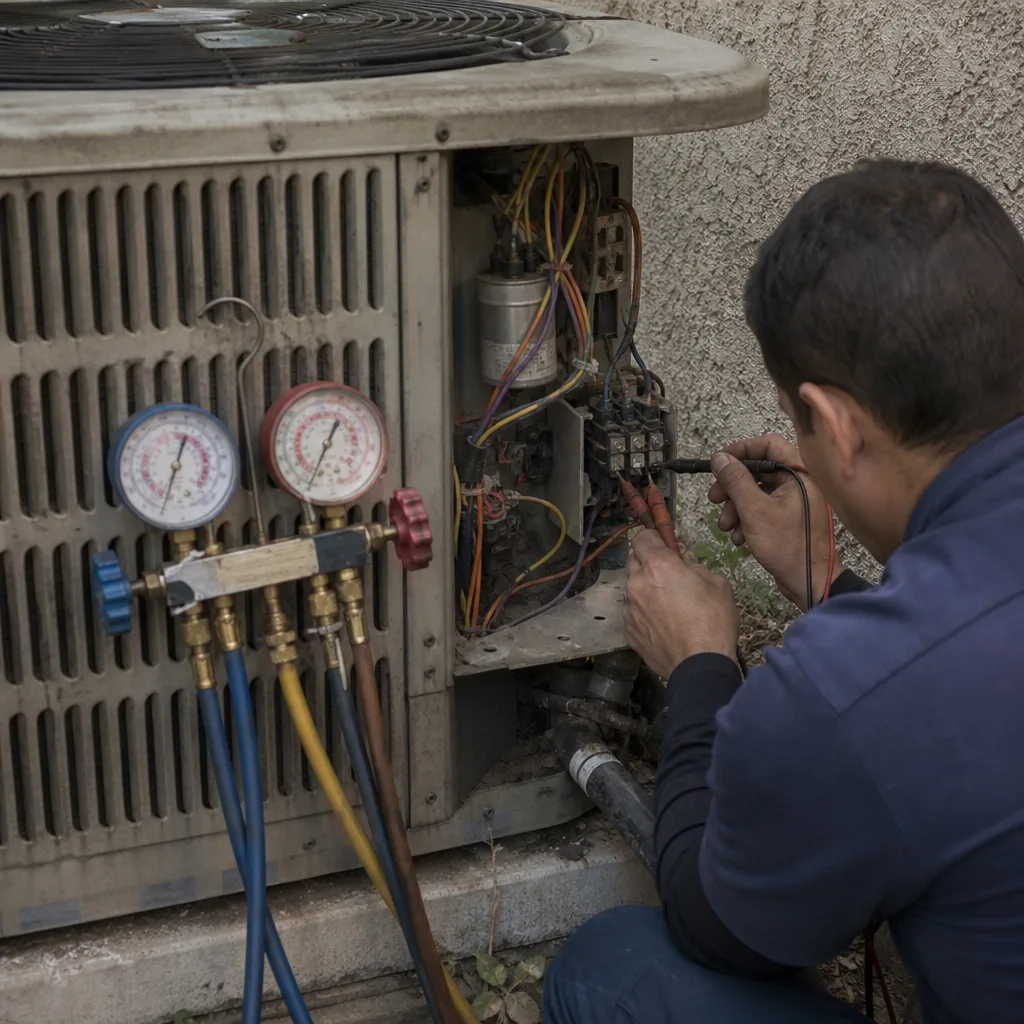
- Manifold gauges and a refrigerant scale. Not enough on their own. Gauges tell you pressures, but charging a system to a subcooling or superheat target requires conditions, calculations, and certification.
- Recovery machine and vacuum pump. Required by law and by physics any time the sealed circuit is opened. A homeowner is not buying these for one repair.
- Combustion analyzer. Required for gas furnace work to verify combustion is safe. This is a safety tool, not a convenience tool. Furnace work that touches the heat exchanger, gas valve, or flue is not a DIY project under any circumstance.
- Leak detector, thermometer/hygrometer set, and airflow measurement tools. These are what distinguish a diagnosis from a guess. They also let a technician show you the numbers instead of describing them.
If you own the top tier and are comfortable with it, the DIY-safe bucket is yours. If you don’t own the second tier and you’re considering a middle-bucket task, spend the diagnostic first. That conversation is usually shorter and cheaper than the parts bill, and it’s frequently the point where the homeowner decides to just let us handle it. furnace repair falls firmly on the professional side, because furnace work involves a safety component that no homeowner should be improvising.
Repair or Replace: Using What You Learn From a Diagnostic
Once a technician has actually looked at the system, the repair-or-replace question becomes answerable instead of emotional. This is the part where the DIY-versus-professional decision stops being about the current problem and starts being about how much of the system is left. A few things shape that calculation in Spring Valley specifically.
- The age of the equipment against its expected service life. A 15-year-old unit that needs a compressor is often a replacement. A 6-year-old unit with the same diagnosis is almost always a repair.
- The cost of the repair against the cost of a full install. Once a single repair passes a meaningful fraction of a new system’s cost, the numbers alone usually settle the question.
- Whether the outdoor and indoor halves are matched. If the condenser is being replaced and the coil is original to a much older system, replacing only half leaves you with a mismatched system that won’t hit its rated efficiency.
- Whether the duct work is supporting the equipment. A new system on undersized or leaky ducts will underperform. This is where a Spring Valley attic inspection earns its keep.
- Whether the homeowner expects to stay in the house long enough for the math to work. Replacement makes sense over a long horizon. A repair makes sense when the plan is different.
We work on all three sides of this decision – AC installation, furnace repair, and furnace replacement – so the recommendation isn’t tied to what we’d prefer to sell. A Goodman system and a Trane system get the same diagnostic method and the same honest answer, because the equipment isn’t what pays us. The repair does.
Common Mistakes to Avoid
- Treating “legal” and “safe” as the same question. Replacing a capacitor is legal, but a reversed polarity install can damage the compressor. Legal doesn’t mean no risk; it means no permit or certification needed.
- Assuming the refrigerant top-off you saw online is something you can do. It’s a federal violation without EPA Section 608 certification, no matter who owns the system. The rule is about the handling, not the ownership.
- Skipping the service record because you did the work yourself. Even DIY-legal tasks need receipts and dates if a warranty claim comes up later. If you can’t document it, the manufacturer can treat it as unsupported work.
- Doing duct work in a Spring Valley attic in summer without planning the conditions. Heat exposure, insulation handling, and fall risk between joists are all elevated here compared with a mild-climate home, and none of that gets mentioned in a generic duct video.
- Choosing a part by “it looked the same.” Microfarad rating, horsepower, and speed tap all matter. A part that fits the mount can still be wrong for the equipment, and the resulting failure looks like a different problem than it is.
- Waiting for a sudden failure instead of a diagnostic. A system that trips its breaker or blows warm air is trying to tell you something. Catching the failure before the compressor overheats is cheaper than catching it after.
- Buying a thermostat before finding out whether the thermostat is the problem. A no-cooling call is a thermostat failure far less often than homeowners expect. The thermostat is a symptom as often as a cause.
See the difference
 Before
 After
 Before
 After
 Before
 After
When to Call a Professional
Call us when the task is in the professional-only bucket, when the symptom is safety-related, or when you’ve done the DIY-safe steps and the problem hasn’t changed. That includes any refrigerant work, any gas furnace symptom, any electrical work on the high-voltage side beyond a capacitor or contactor, any repeated breaker trip, any burning smell, and anything that requires opening the sealed system. It also includes any middle-bucket task where you can’t document the work for your warranty. If you’ve already opened the panels and things got more confusing instead of less, that’s the strongest reason to call – the sooner we see what’s been changed, the less diagnostic time it costs. AC Repair Spring Valley offers free estimates in Spring Valley. Call (866) 773-7426. We answer 24/7. Fast dispatch from 7am to 7pm, Sunday through Friday.
Frequently Asked Questions
No. Under EPA Section 608 of the Clean Air Act, refrigerant must be handled by a certified technician, and that applies regardless of who owns the equipment. You cannot legally purchase the refrigerant, recover it, or charge a system without the certification. Call (866) 773-7426 for an exact quote – estimates are free.
Yes, replacing a run capacitor is legal and genuinely doable for a careful homeowner with a multimeter and the correct microfarad rating. The risk is in the part: a wrong rating or reversed polarity can overheat the compressor, and the resulting failure looks like a compressor problem rather than a capacitor problem. If you’re not sure of the rating, a diagnostic is cheaper than the risk. Call (866) 773-7426 with your model number and we’ll tell you what the equipment calls for.
It can, depending on how the work is documented. Most residential warranties – Lennox, Goodman, Rheem, and York included – require that service and repair be performed by a qualified technician and documented. DIY-legal tasks don’t automatically void coverage, but if the failure traces back to undocumented work, the manufacturer has grounds to deny the claim. Keep dated receipts for anything you do yourself and have the rest done professionally. Call (866) 773-7426 to book a diagnostic and get a documented service record started.
It’s more dangerous here than the average online guide suggests. Attics in Spring Valley reach temperatures that make heat exposure a genuine hazard, loose-fill insulation becomes airborne, and the joists aren’t floored end to end. Add in fall risk, tape that peels off a hot duct joint, and the fact that a duct run that looked fine in winter may already be undersized, and duct work is often a better call than a DIY project. Call (866) 773-7426 if you want a straight answer on the one you’re considering.
You don’t, not from the symptoms alone. A failing capacitor and a failing compressor can produce the same outward behavior: the system starts and then trips, or the outdoor unit hums and doesn’t spin. The only way to separate them is a diagnostic with a multimeter and amp readings. Guessing by replacing the cheap part first is how middle-bucket DIY projects turn into compressor swaps. Call (866) 773-7426 to get the right diagnosis the first time.
We’re certified to work on nine major HVAC brands: Carrier, Trane, Lennox, Goodman, Rheem, York, Daikin, Bryant, and American Standard. That covers the vast majority of residential systems in service today, and it means the recommendation you get is based on the condition of the equipment, not on which brand we work on most often. If you’re not sure what your system is, we’ll find out when we look. Call (866) 773-7426 for a free estimate.
The Bottom Line
The DIY-versus-professional decision for HVAC in Spring Valley comes down to three tests: does the task require EPA certification, can you document the work for your warranty, and does the Spring Valley climate make the working conditions different from what the guide you’re reading assumed. Filter changes, coil cleaning, and condensate flushing pass all three. Capacitors and contactors pass but with real caveats. Refrigerant, gas furnace work, sealed-system repairs, and full replacement don’t pass any of them, and that’s not a sales position. It’s federal law and both halves of the warranty.
When you’re ready to have the system looked at by someone who works on your brand, Spring Valley homeowners can reach us at (866) 773-7426 for a free estimate. We answer 24/7. Fast dispatch from 7am to 7pm, Sunday through Friday. We’ll tell you what the system actually needs, and whether the job in front of you is one you should take on yourself.
Written by the team at AC Repair Spring Valley.