
Last updated November 16, 2026
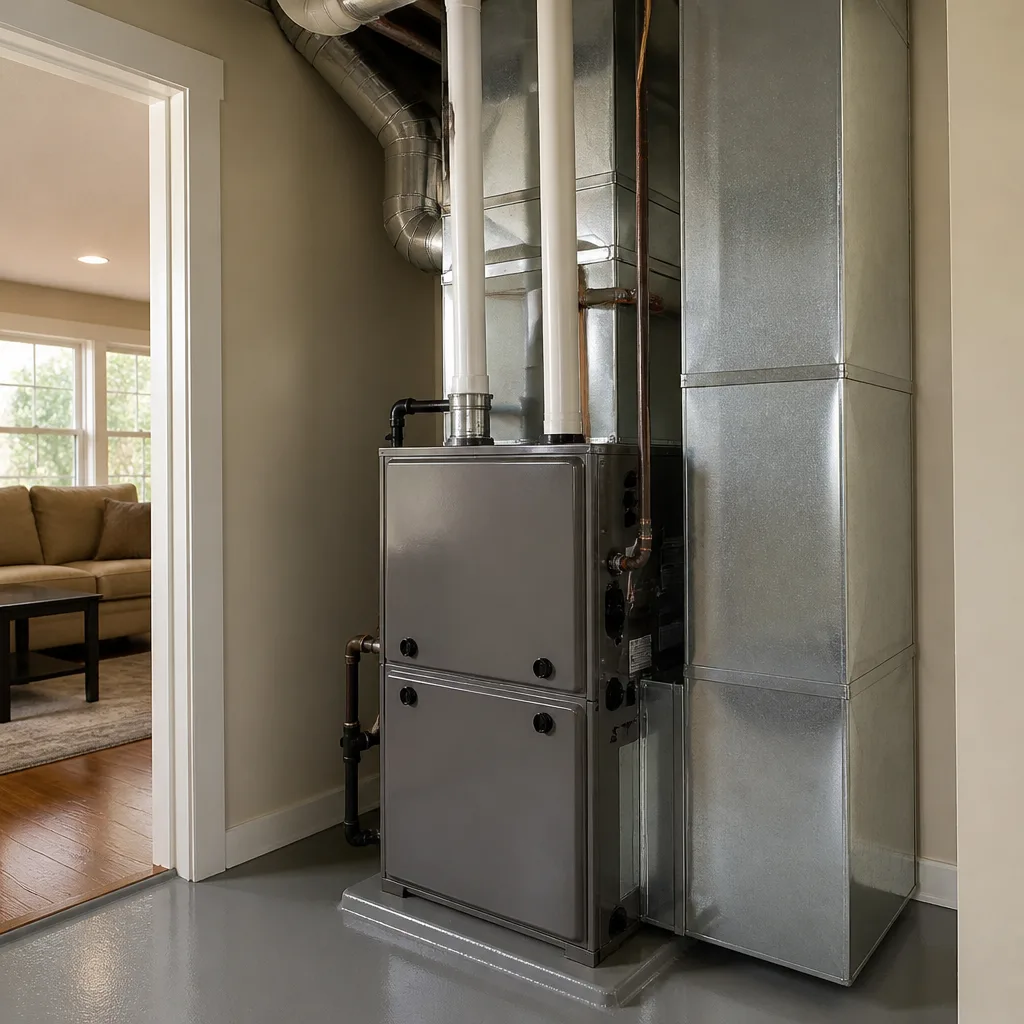 Furnace & heating
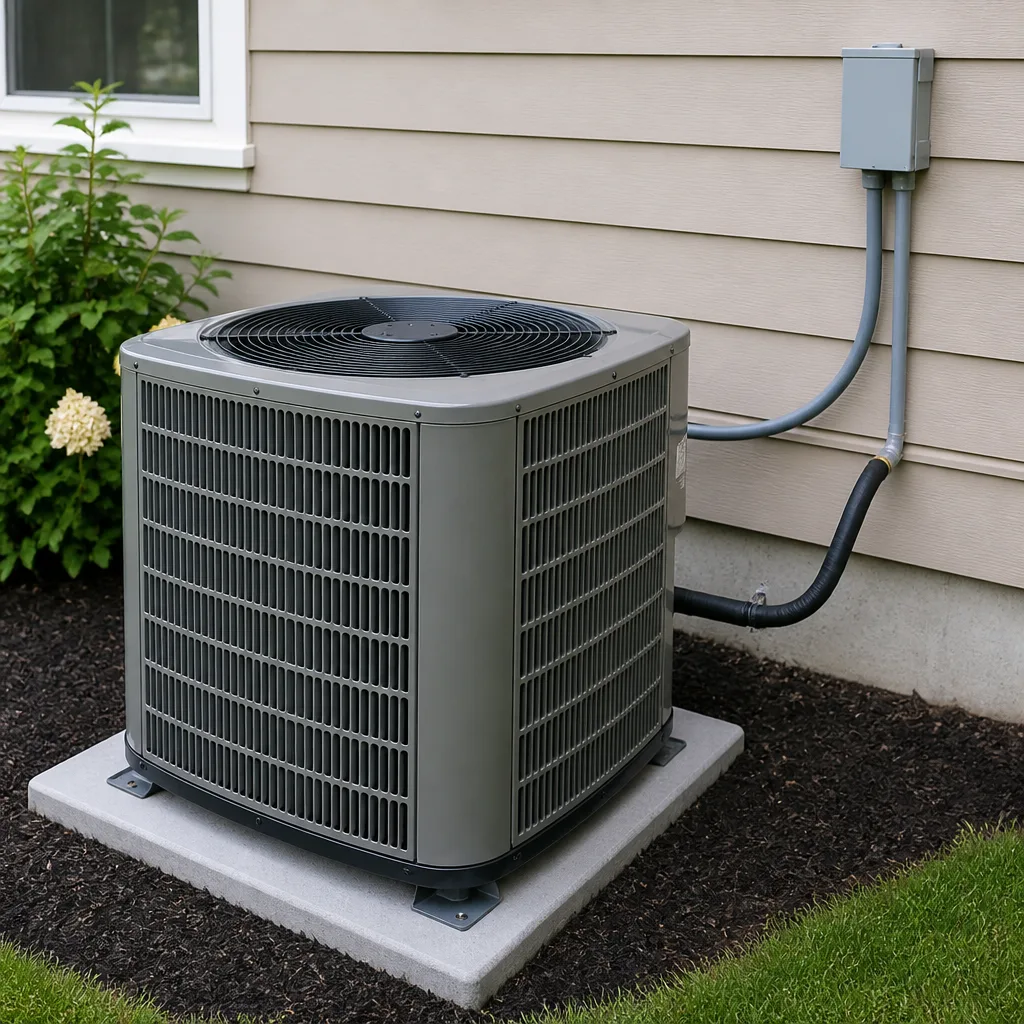 AC repair
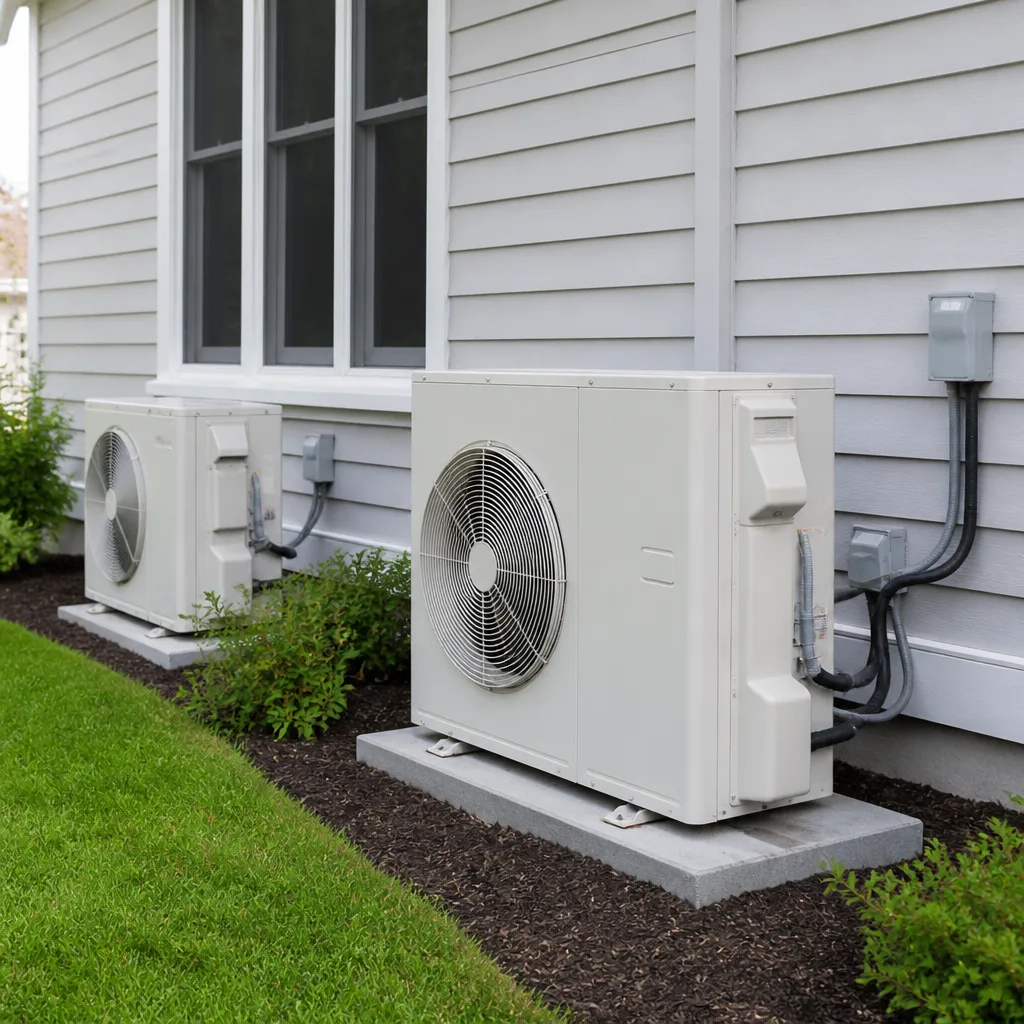 Heat pumps
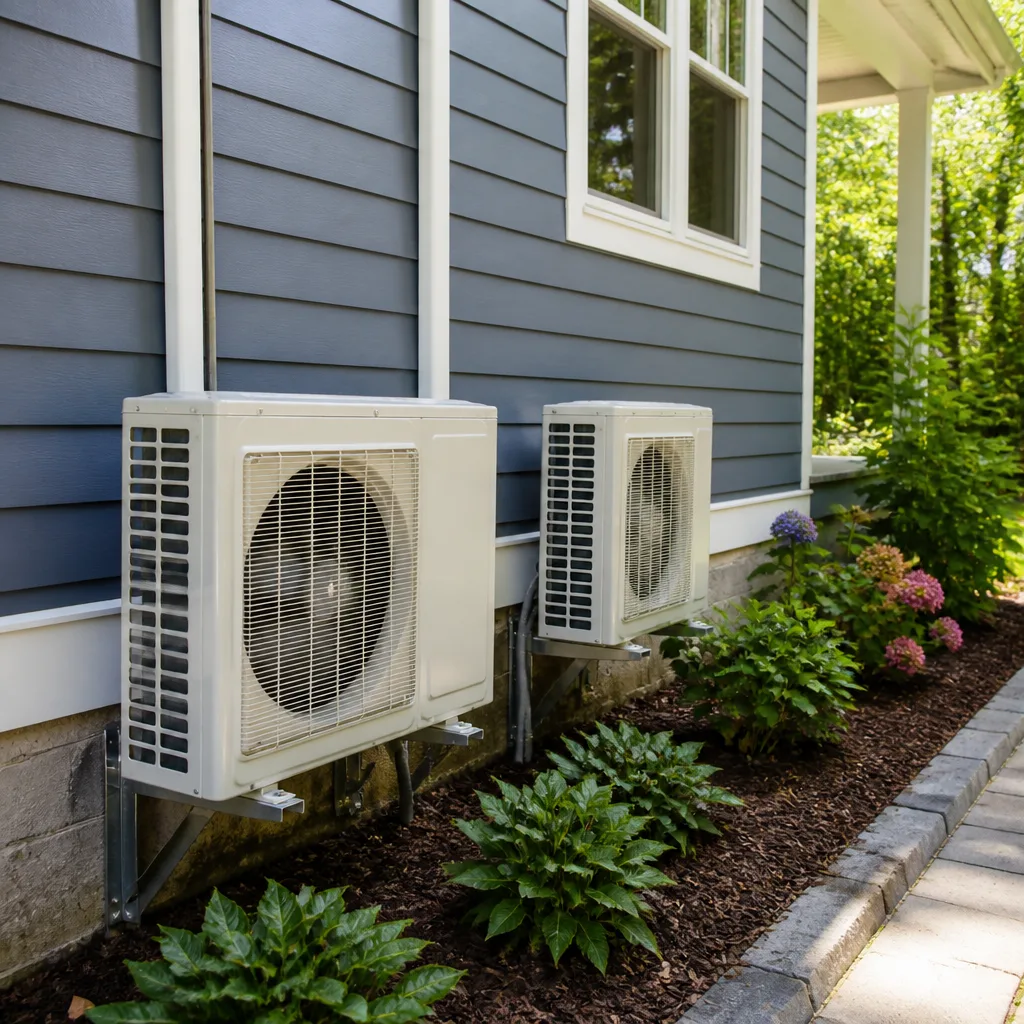 Ductless mini splits
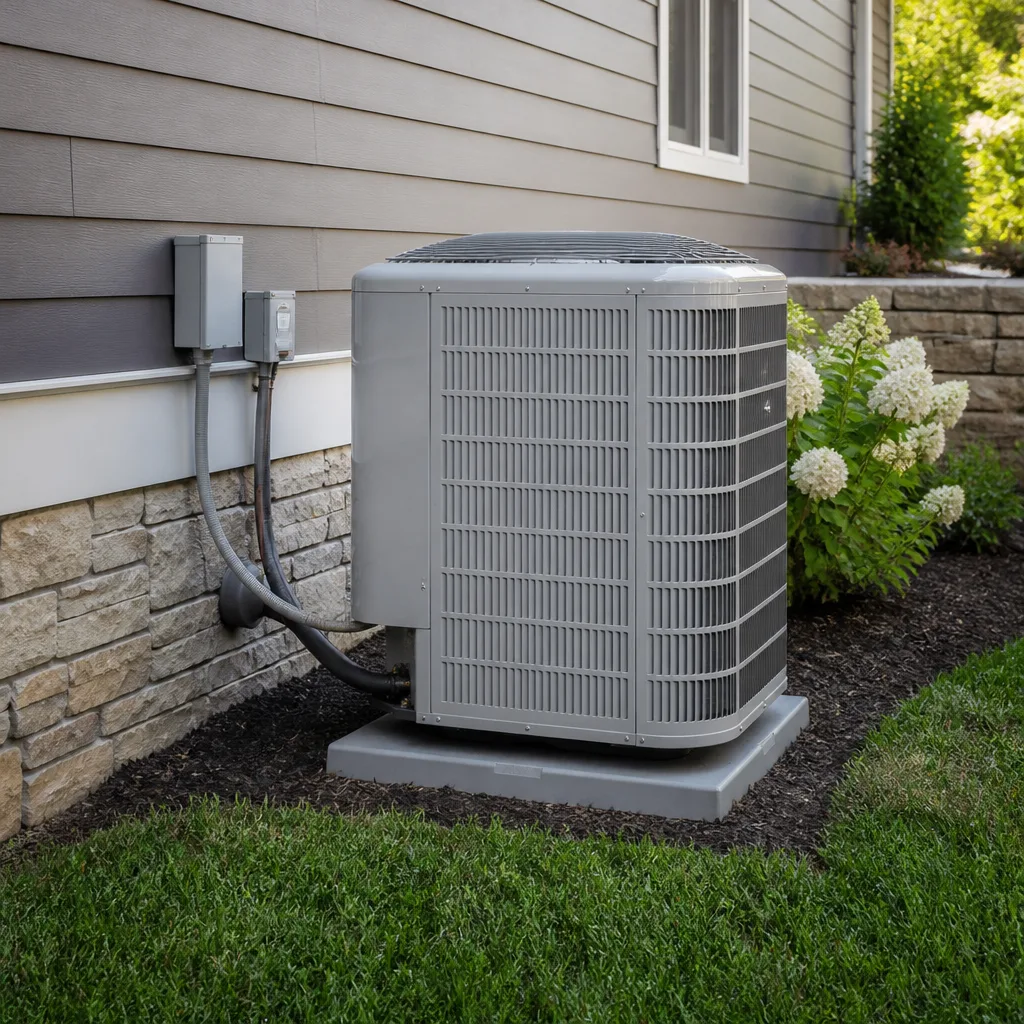 Carrier
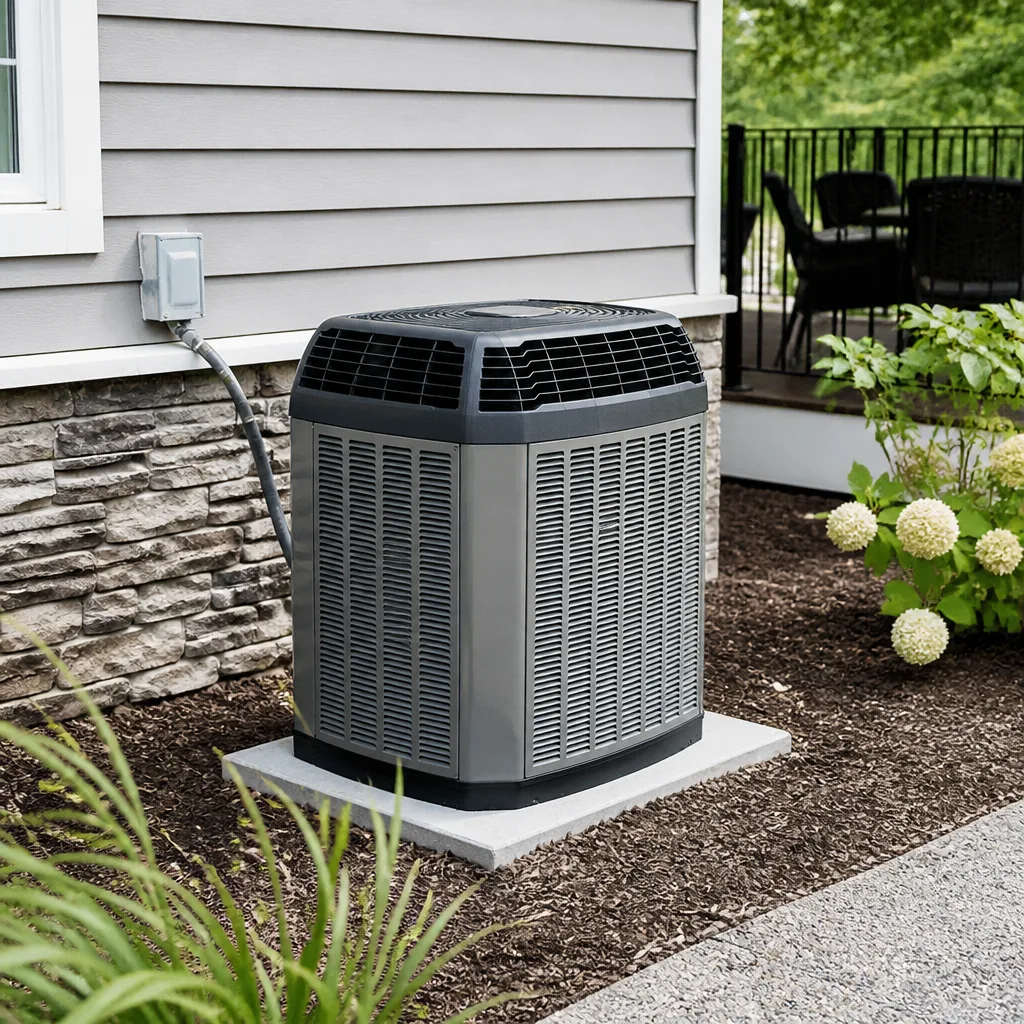 Trane
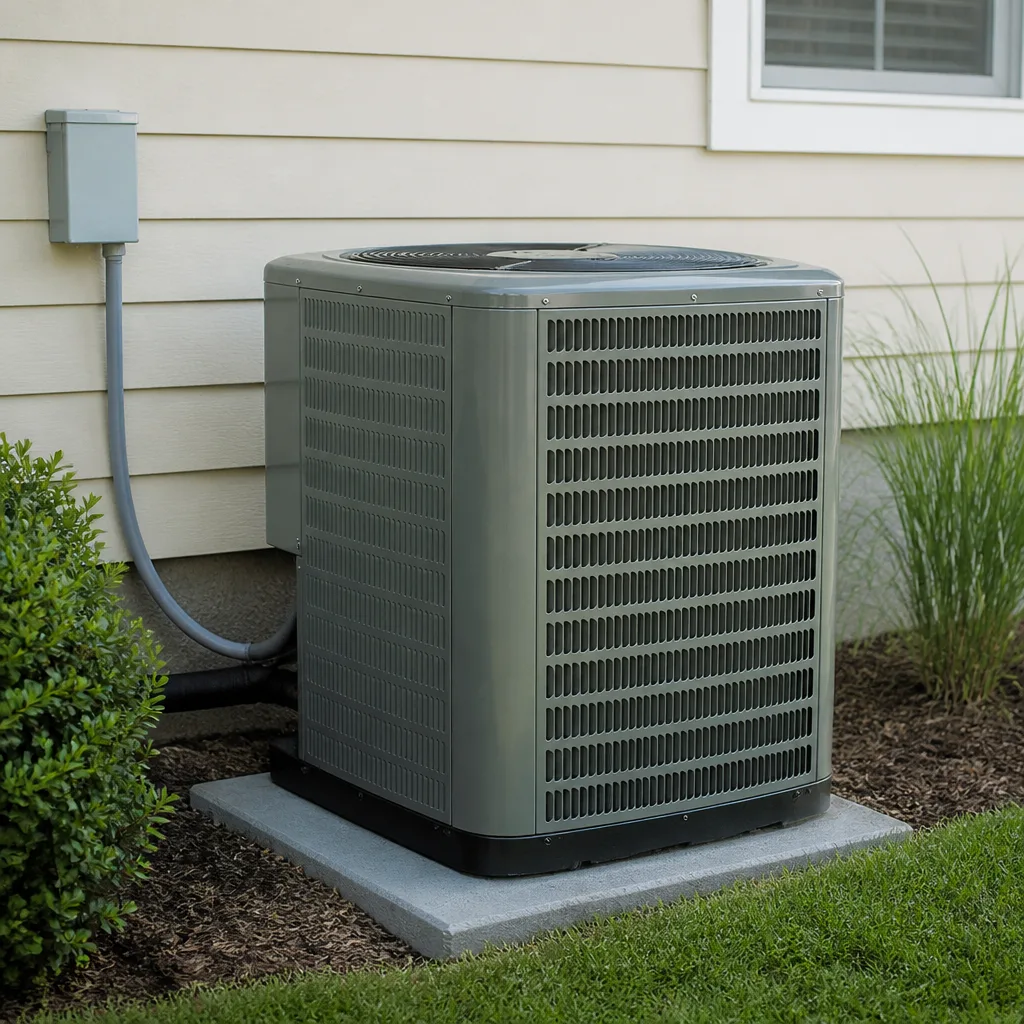 Goodman
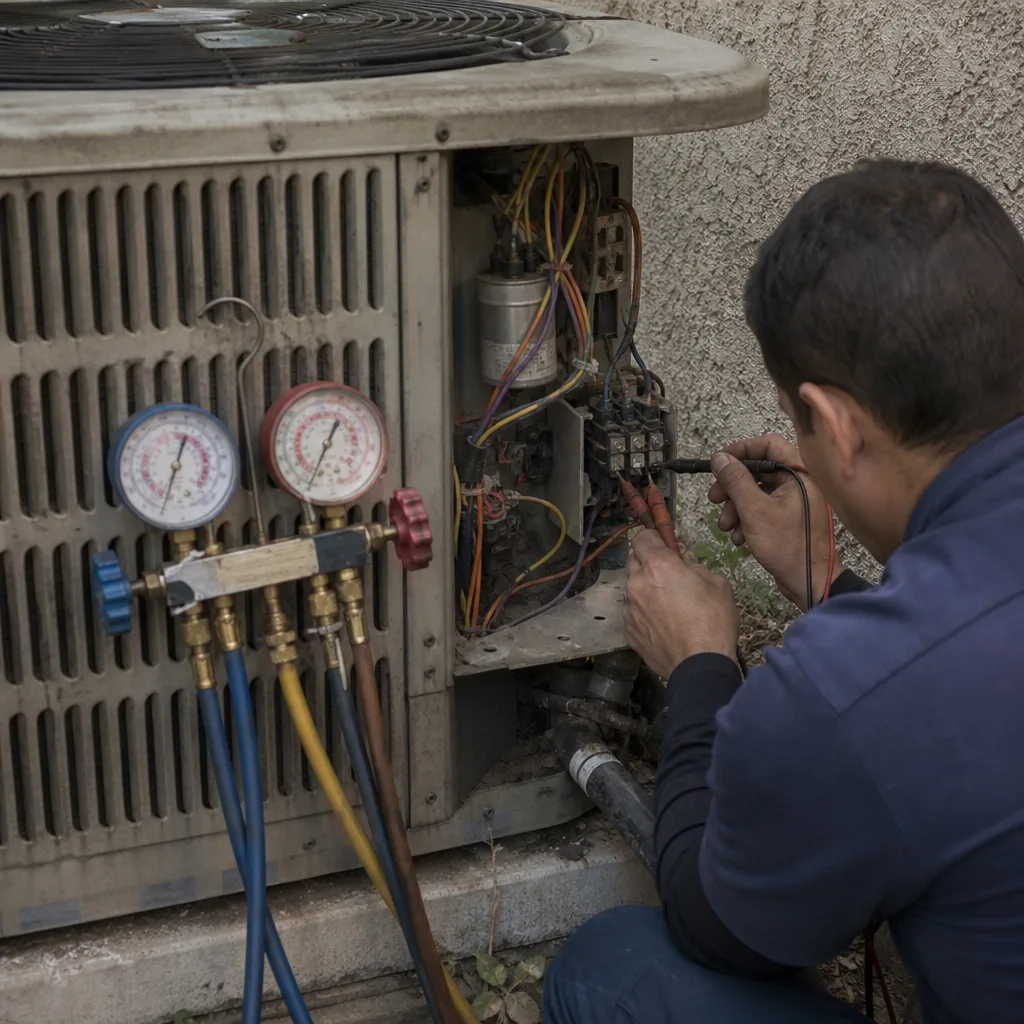
Seasonal tune-up and full diagnostic on your Carrier, Trane, or Goodman system - readings shown to you before any repair is proposed
Diagnosis first, numbers second - you approve the repair price before a single part goes in.
Get your free estimateThe Complete Furnace Replacement Guide for Spring Valley Homeowners
Most furnace replacement advice you’ll read online was written for Minnesota, not Nevada. That matters more than it sounds. Spring Valley averages fewer than 20 heating days a year where temperatures drop below 40°F, which means a furnace sized for a harsh climate will short-cycle here, wear out faster, and cost more to run in a place that barely needs it. Furnace replacement in Spring Valley is really a year-round comfort decision, not a cold-weather purchase. This guide walks through load calculations, air handler compatibility, brand specs, Clark County permits, and the fall replacement window that most homeowners miss.
Quick Answer
A furnace replacement in Spring Valley should start with a room-by-room load calculation (ACCA Manual J), not a square-footage guess, because oversizing penalties hit harder in a mild climate where the system runs fewer hours. Expect a properly sized 80% AFUE furnace for most Spring Valley homes, a written fixed price before work begins, and a fall shoulder-season install window rather than a January emergency swap. Clark County requires a permit for furnace replacement, so the contractor should handle it as part of the job.
Styles & brands we work with
- AC repair
- Furnace & heating
- Heat pumps
- Ductless mini splits
- Carrier
- Trane
- Goodman
Table of Contents
- Why Furnace Replacement Works Differently in Spring Valley
- Why ACCA Manual J Load Calculations Matter More in a Mild Climate
- Will Your Existing AC Air Handler Work With a New Furnace?
- The Brand-Agnostic Spec Checklist: AFUE, BTU, and Blower
- Permits and Inspection Timelines in Clark County
- The Best Time to Replace a Furnace in Spring Valley
- Repair or Replace? How to Actually Decide
- What a Furnace Replacement Day Looks Like
- Common Mistakes to Avoid
- When to Call a Professional
- Frequently Asked Questions
Why Furnace Replacement Works Differently in Spring Valley
Spring Valley sits in the Las Vegas Valley, and the climate that shapes every furnace decision here is dominated by summer, not winter. The Mojave Desert pattern is brutal heat from May through September and a short, mild heating season that runs roughly late November into February. That single fact inverts most of the replacement calculus you’ll find in generic guides.
Here’s what it means in practice:
- Your furnace runs very few hours. A system that fires only a few hundred hours a year is sensitive to oversizing. Too much capacity means it heats the house in minutes, then shuts off and waits. That short cycling wastes energy on every start and stops, and it stresses the heat exchanger over time.
- The blower matters as much as the burner. In Spring Valley, the same air handler that pushes heat in winter pushes cold air through your AC in summer. A variable-speed blower that runs at low speed most of the time is often the bigger comfort and efficiency win here than a higher AFUE rating on the burner.
- Air sealing and ductwork affect you year-round. Leaky ducts and a poorly sealed return are a summer problem too. A furnace replacement is the right moment to check them, because the equipment is already being pulled out.
- Efficiency tiers behave differently. A high-AFUE condensing furnace is a real investment. In a place with a short heating season, the annual gas savings are modest compared to a cold-climate home, so the case for the premium tier has to rest on comfort, blower quality, and noise, not just the fuel bill.
We work on systems across Spring Valley neighborhoods from Rhodes Ranch to the established streets around Fort Apache and Tropicana, and the same pattern repeats: the furnace that gets replaced first is often the one that was oversized on day one. Our technicians have up to 8 years of experience, and the diagnosis almost always starts with comparing the nameplate BTU output against what the home actually needs.
Why ACCA Manual J Load Calculations Matter More in a Mild Climate
ACCA Manual J is the industry-standard method for calculating how much heating and cooling capacity a home actually needs, based on square footage, window area, insulation, orientation, and local climate data. In Spring Valley, this load calculation is not a formality. It’s the single most important step before you buy a furnace, because oversizing penalties are steeper when the system runs fewer hours.
Think about what short cycling does to a furnace over years of mild winters. Every cycle is a start, a warm-up, a short run, and a cool-down. The heat exchanger expands and contracts far more often per hour of actual heating than it would in a cold climate where the system runs for long stretches. That thermal cycling is where metal fatigue and cracks begin. A correctly sized furnace runs in longer, steadier cycles and simply lasts better.
A proper Manual J walkthrough usually includes:
- Measuring every room and its ceiling height.
- Counting and rating windows and doors by orientation and glass type.
- Checking attic insulation depth and wall construction.
- Testing or noting duct leakage and return air sizing.
- Accounting for Spring Valley’s specific design temperatures rather than a national average.
If a contractor quotes you a furnace in fifteen minutes based on square footage alone, that’s a red flag. On the other side of the ledger, a load calculation often reveals that the existing furnace is one or even two sizes larger than the house needs, which opens up a smaller, cheaper, and quieter unit. We run this calculation as part of the estimate, because the right size is the whole point of furnace replacement. When a system is genuinely failing and not just aging out, our furnace repair team can assess whether a fix buys you a season or two while you plan the swap.
Will Your Existing AC Air Handler Work With a New Furnace?
In most Spring Valley homes, the furnace and the AC share one air handler cabinet and one blower. That shared equipment is the reason a furnace replacement here can be simpler than you expect or can force a bigger decision than you want. Knowing which situation you’re in before you shop saves real money.
There are two broad configurations to understand:
- Split system with a matched coil: The furnace cabinet houses the blower and the evaporator coil sits on top or beside it. If the new furnace has a compatible footprint, tonnage match, and blower airflow rating, the existing coil and AC condenser can often stay. The coil is reused, and the furnace is swapped.
- Packaged or mismatched system: The furnace and coil are not designed to work together, or the cabinet size changes. This is where a furnace replacement can pull a coil or even the whole AC into the project.
Here’s what we check before recommending anything:
- The evaporator coil’s tonnage rating against the AC condenser’s capacity.
- The cabinet dimensions, plenum connections, and flue or vent routing.
- Blower airflow (CFM) in the new furnace versus what the coil needs.
- The refrigerant line-set condition and whether the coil is worth reusing.
- Whether the existing return air and supply duct sizes match the new blower.
When those line up, you get a furnace replacement without touching the AC. When they don’t, it’s better to plan a coordinated swap than to force a mismatched pair. Because we work on AC installation as well, we can tell you honestly on the day whether reuse is safe or whether the coil is on its last legs. That honest assessment is the difference between a right-sized job and a forced double replacement.
The Brand-Agnostic Spec Checklist: AFUE, BTU, and Blower
Most furnace guides push a manufacturer. We don’t, because we service and install equipment from nine major brands, including Goodman, Rheem, York, and Daikin. That breadth means we can match the spec sheet to your house and budget instead of matching it to one supply house. Here’s what each spec actually means for a Spring Valley home.
- AFUE (Annual Fuel Utilization Efficiency): The percentage of fuel converted to usable heat. Standard units run around 80% AFUE; condensing units run higher. In a mild climate, an 80% unit is often the sensible choice, because the extra fuel savings from a condensing furnace come from a short heating season. It can still make sense if you want the comfort benefits of a premium blower.
- BTU output: The actual heat delivered. Notice the difference between input and output; the output is the number that matters. A Manual J calculation tells you the target, and you buy the furnace whose output meets it without wildly exceeding it. Too much output equals short cycling.
- Variable-speed or multi-speed blower: A blower that runs at low speed most of the time and ramps up only when needed. This is the spec most worth paying for here, because it improves summer cooling comfort and noise in addition to winter heating.
- Single-stage versus two-stage heat: A two-stage burner runs on low most of the time and kicks to high in a cold snap. In a mild winter, the low stage does most of the work, which is a good match.
- Cabinet width and configuration: Upflow, downflow, or horizontal. It has to fit the space and match the coil and ductwork.
- Noise rating and placement: Near bedrooms or a laundry room, blower sound matters. Ask for the sound specs.
We’ll tell you what it actually needs rather than fitting a template. If a value-tier Goodman unit fits your house and budget, we’ll say so. If your situation points to a Daikin or Rheem model with a better blower, we’ll explain why. The brand follows the spec, not the other way around.
Permits and Inspection Timelines in Clark County
Clark County requires a permit for a furnace replacement. This isn’t a detail you can skip, and it isn’t a courtesy a contractor extends out of goodwill. It’s code, and it protects you.
Why a permit matters here:
- Safety: The inspection verifies combustion venting, gas connections, and clearances. A furnace that’s installed without proper venting is a carbon monoxide risk, and the inspection is the check that catches it.
- Resale and insurance: An unpermitted install can complicate a home sale or an insurance claim. Clark County records are public, and a buyer’s inspector will look.
- Coverage: A manufacturer warranty may be affected if the equipment wasn’t installed to code. A permit and inspection close that loop.
A typical furnace replacement permit and inspection process looks like this:
- The contractor pulls the permit before work starts, naming the equipment and scope.
- Installation is completed and the system is tested for combustion safety and airflow.
- The county inspection is scheduled and passed.
- The permit is closed and final inspection recorded.
Timelines vary with county workload, so ask the contractor to handle the permit and the inspection as part of the job, and confirm the final inspection gets closed. If a contractor offers to skip the permit “to save time,” that’s a reason to walk. We handle the permit as part of the written fixed-price job so you’re not chasing paperwork on your own. For more on how we approach whole-house heating and cooling, start at AC Repair Spring Valley.
The Best Time to Replace a Furnace in Spring Valley
The best window to replace a furnace in Spring Valley is the fall shoulder season, roughly October and early November, before the first real cold snap and before the heating season starts. A planned swap there costs less than a January breakdown, both in price predictability and in the disruption you avoid.
Here’s why planning beats a January emergency:
- You get a written fixed price while you have time to compare. A furnace failing in January forces a decision under pressure, often at the first number you hear.
- Equipment availability and scheduling are easier. In a mild-climate market, the heating crunch is short and sharp. When everyone needs a furnace at the same moment, lead times stretch.
- You can wait for the right unit. A coordinator swap with the AC, a variable-speed blower upgrade, or a brand-specific match can be planned and ordered, not improvised.
- You can test the new system. Planning in October means you have a few weeks to catch any airflow or thermostat issues before you actually need heat.
What about spring and summer? They can work too, often with even more scheduling flexibility. The one window to avoid is “the day after the furnace quits in January.” A furnace past its useful service life, with a failing heat exchanger or repeated repairs, is not going to get better. Replacing on your schedule is a better month than replacing on the coldest one.
If a furnace does fail outside dispatch hours, call and we’ll book you into the next opening, Sunday through Friday, 7am to 7pm. We answer 24/7. Fast dispatch from 7am to 7pm the next day beats a cold night waiting for a callback that never comes.
Repair or Replace? How to Actually Decide
The repair-versus-replace question is usually answered by the heat exchanger, the repair cost relative to replacement, and the equipment’s age. Most homeowners facing a repair bill want a straight rule, and there is one worth using, provided you’ve done the load calculation first.
Work through these in order:
- Is the heat exchanger damaged? A cracked heat exchanger is a safety issue and is almost never worth repairing. It means replacement.
- How old is the furnace, and how many repairs has it had in the last few years? A unit that’s consuming repair money every season is telling you something.
- Is the repair cost a large fraction of replacement cost? If a single repair approaches half the price of a new furnace, replacement deserves a serious look, especially if the equipment is mid-life.
- Is the system oversized or mismatched? If the load calculation reveals the furnace was never right for the house, a repair keeps a problem in place.
- Is the AC side healthy? A strong furnace paired with a failing coil may be the right moment to plan a coordinated replacement.
We’ll tell you what it actually needs, and we’ll put the answer in writing. A repair that buys you years is a good outcome. A repair that pushes a replacement back a month isn’t. The honest answer comes from the diagnosis, not a sales quota.
What a Furnace Replacement Day Looks Like
A furnace replacement typically takes part of a day if the swap is a straight equipment match, and longer if ductwork, venting, or a coordinated AC coil swap is involved. Knowing the sequence helps you plan your day and know when to expect the contractor to be finished.
A planned replacement usually runs:
- Permit and prep. The permit is confirmed, and the work area is protected. The gas and power are shut off.
- Removal. The old furnace and blower are disconnected and removed, and venting is inspected.
- New equipment set. The new cabinet is positioned, the plenum sealed, and the coil confirmed or replaced.
- Connections. Gas, electrical, thermostat, and venting are connected and checked.
- Start-up and testing. Combustion is tested, airflow is balanced, and the blower and stages are confirmed working.
- Inspection. The county inspection is scheduled and the permit closed.
- Walkthrough. You get a brief explanation of operation, filter change, and thermostat settings.
A written fixed price is part of the job, not an after-the-fact invoice. We’ll confirm the scope in writing before we start, and the technician walks you through what goes in and what comes out. It’s worth asking for a written report of what was found during the assessment.
Common Mistakes to Avoid
- Buying on square footage alone. Two Spring Valley homes of the same square footage can need different furnace sizes because of window area, insulation, and orientation. Skip the load calculation and you’re guessing.
- Oversizing “to be safe.” In a climate with a short heating season, a bigger furnace short-cycles more, not less. More capacity usually means more wear, not more comfort.
- Ignoring the air handler and coil. A new furnace dropped onto a failing coil or an undersized return duct sets you up for a second project. Evaluate the whole air handler before you sign.
- Skipping the permit. A furnace installed without a Clark County permit can complicate resale or a claim. The permit is part of the price, not an add-on.
- Chasing AFUE alone. In Spring Valley, the blower quality and sizing often matter more to comfort and cost than the fuel efficiency rating on the burner.
- Waiting for a breakdown. A January furnace failure forces a fast decision. Plan the replacement in the fall, when you can compare and schedule.
- Accepting a verbal price. Get a written, fixed-price estimate with the equipment model and scope named. A verbal number is not an estimate.
We work on your brand and across the full equipment spectrum, from value-tier to premium, so we can price a range of options rather than pushing one line. The Spring Valley market is full of homes that were sized by rule of thumb, and the load calculation exposes that fast.
When to Call a Professional
Call a professional if any of these apply: you smell gas, your carbon monoxide detector has gone off, your heat exchanger has been flagged as damaged, your furnace has a cracked component, or your chimney or venting looks rusted or loose. Any of those are safety issues, not scheduling preferences, and you should not attempt a DIY repair on a gas appliance or a heat exchanger swap. High-efficiency condensing systems and old venting conversions are also best left to a licensed technician, because the consequences of a bad install are serious.
Other situations worth a call: your furnace keeps tripping the breaker, your heating bill has jumped without a change in habits, or your system is old enough that a repair quote is coming in near half of a replacement. In all of those cases, an honest diagnosis saves you money over a guess. AC Repair Spring Valley offers free estimates in Spring Valley, and our technicians have up to 8 years of experience. Call (866) 773-7426 to schedule. We answer 24/7. Fast dispatch from 7am to 7pm, Sunday through Friday.
Frequently Asked Questions
Furnace replacement in Spring Valley typically lands within a range that depends on the size of the unit, AFUE rating, blower type, and whether the existing coil or ductwork must be changed. We don’t quote a single number here because the load calculation and air handler compatibility drive the real scope. The written fixed estimate you receive sets the final price, and the estimate is free. Call (866) 773-7426 for an exact quote.
Yes, Clark County requires a permit for a furnace replacement. The permit covers combustion venting, gas connections, and clearances, and the county inspection is what verifies the install is safe and to code. Skipping it can complicate a home sale or an insurance claim. A reputable contractor pulls the permit and closes the inspection as part of the job.
Often, yes, if the blower airflow rating, cabinet size, and coil tonnage match. The furnace and coil share one air handler in most Spring Valley homes, so compatibility is the deciding factor. If the coil is failing or the sizes don’t line up, a coordinated replacement is the better plan. We check the match before recommending anything, so you’re not forced into a bigger job than you need.
Replace it in the fall shoulder season, not after a January breakdown. Planning in October or early November lets you get a written fixed price, compare options, and schedule the work before the short heating season starts. A breakdown forces a fast decision under pressure. If it does fail, call us and we’ll book you into the next opening, Sunday through Friday, 7am to 7pm.
For most Spring Valley homes, an 80% AFUE furnace is a sensible choice because the heating season is short and the fuel savings from a condensing unit are modest. The exceptions are homes where comfort, blower quality, or noise matter more than fuel savings, where a variable-speed premium model can justify the price. Load calculation and a real conversation about your goals settle it. Call (866) 773-7426 and we’ll walk through the options with you.
Oversizing hurts because a furnace that’s too large for the house heats it in minutes and shuts off, cycling repeatedly instead of running in long, steady stretches. In a short heating season, that short cycling adds up: more wear on the heat exchanger, more energy per hour of heating, and less even comfort. ACCA Manual J sizing prevents that. Get a load calculation first, then pick the furnace.
If you’re on the fence about a repair versus a replacement, our furnace repair team can assess your current system and give you a straight answer, and our AC installation side can tell you whether the coil is worth reusing.
The Bottom Line
Furnace replacement in Spring Valley is a planning decision, not an emergency decision. Start with an ACCA Manual J load calculation, because oversizing a furnace in a mild climate costs you comfort and equipment life. Check the existing air handler and coil before you buy, because the furnace and AC share one cabinet in most homes here. Use a spec checklist that prioritizes blower quality and correct sizing over AFUE alone. Pull the Clark County permit and close the inspection. And plan the swap for the fall shoulder season rather than the January breakdown that forces the decision. We’ll tell you what it actually needs, whether that’s a repair, a right-sized swap, or a coordinated whole-system plan across nine major brands.
We Answer 24/7
Furnace replacement doesn’t have to be a guessing game. Call (866) 773-7426 for a free estimate in Spring Valley. We answer 24/7. Fast dispatch from 7am to 7pm, Sunday through Friday. Our technicians have up to 8 years of experience, we work on nine major brands, and we’ll tell you what it actually needs before you decide.
Written by the team at AC Repair Spring Valley.
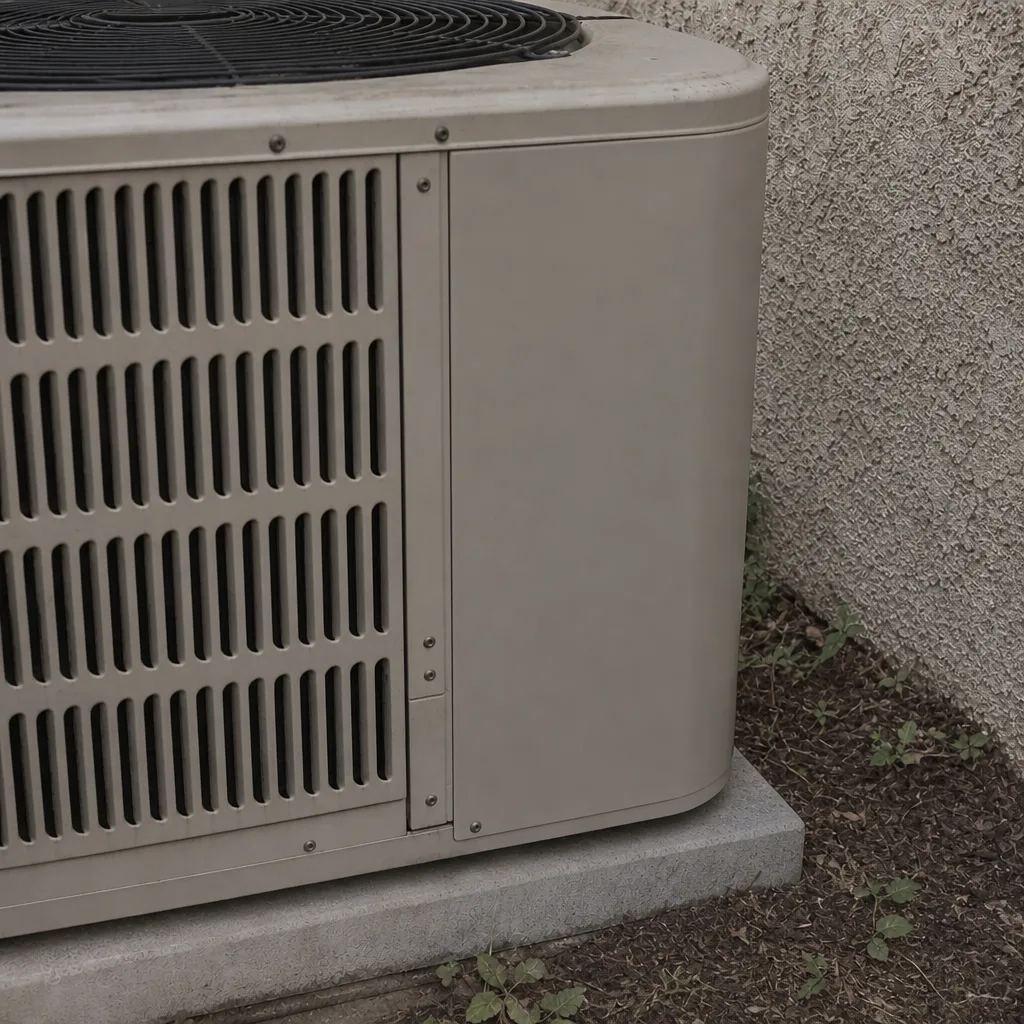
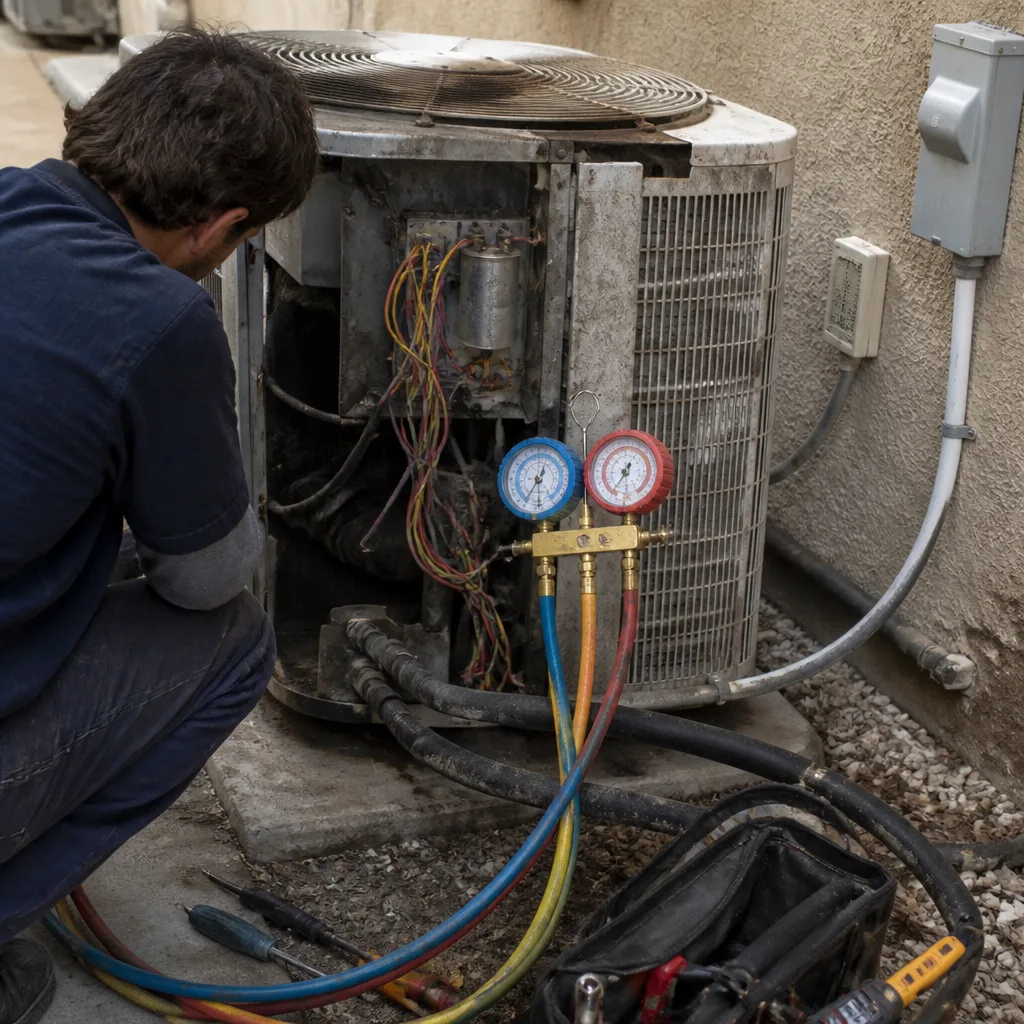
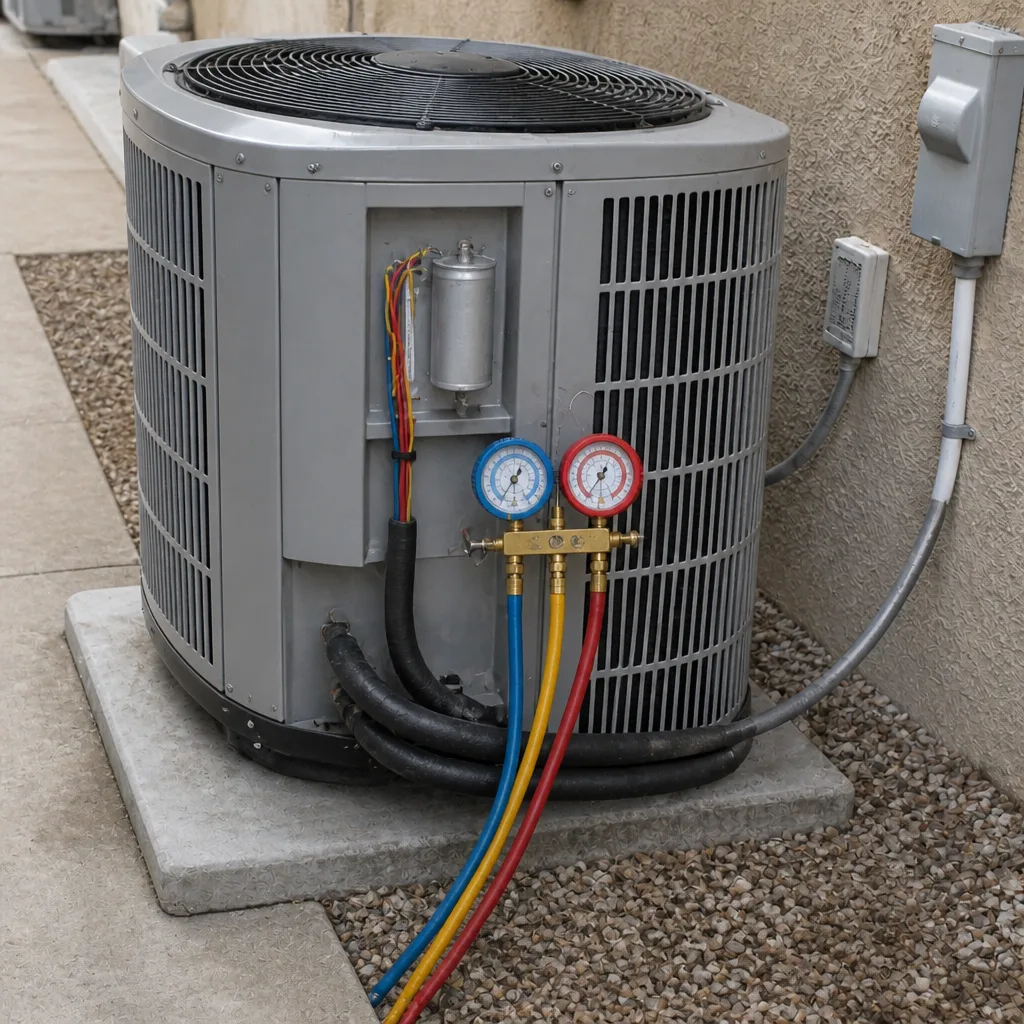
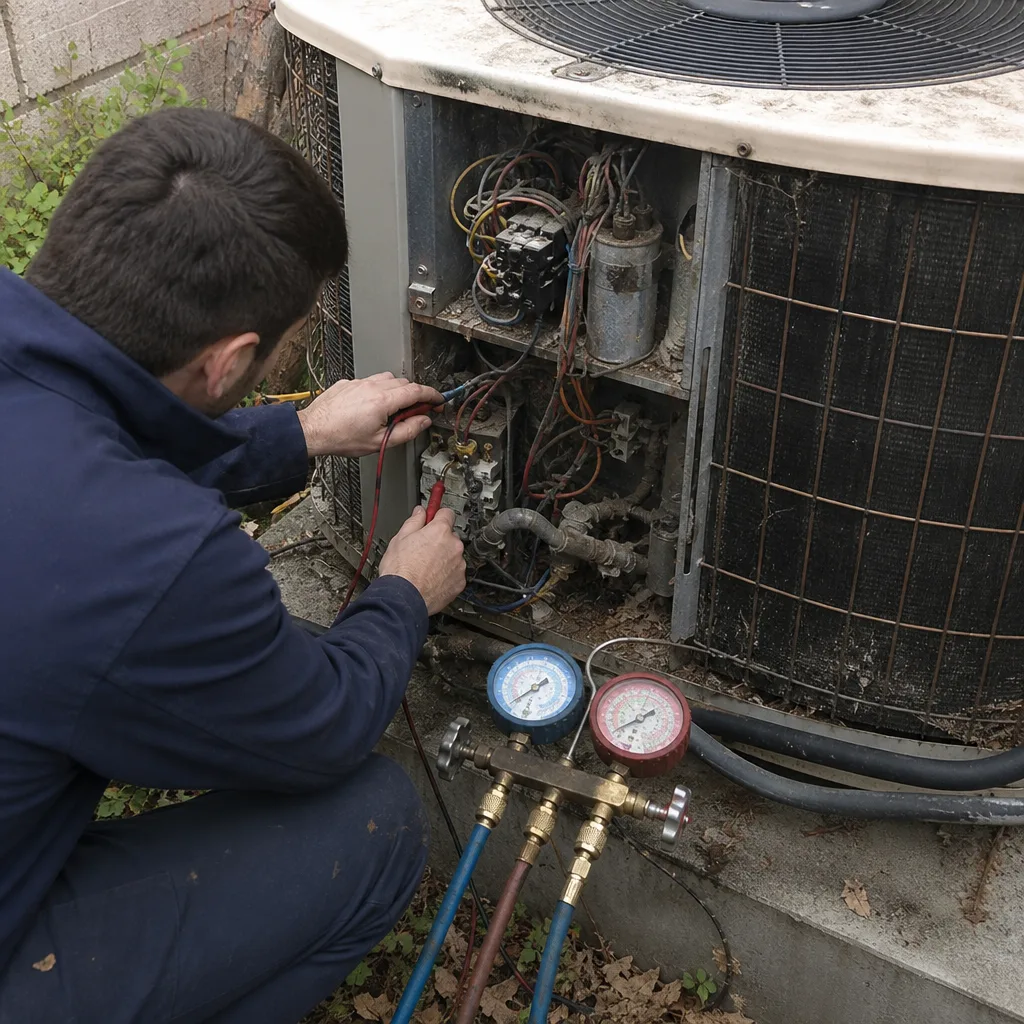
See the difference
 Before
 After
 Before
 After
 Before
 After